A 40+ cubic-metre body: what to know before ordering
Published:
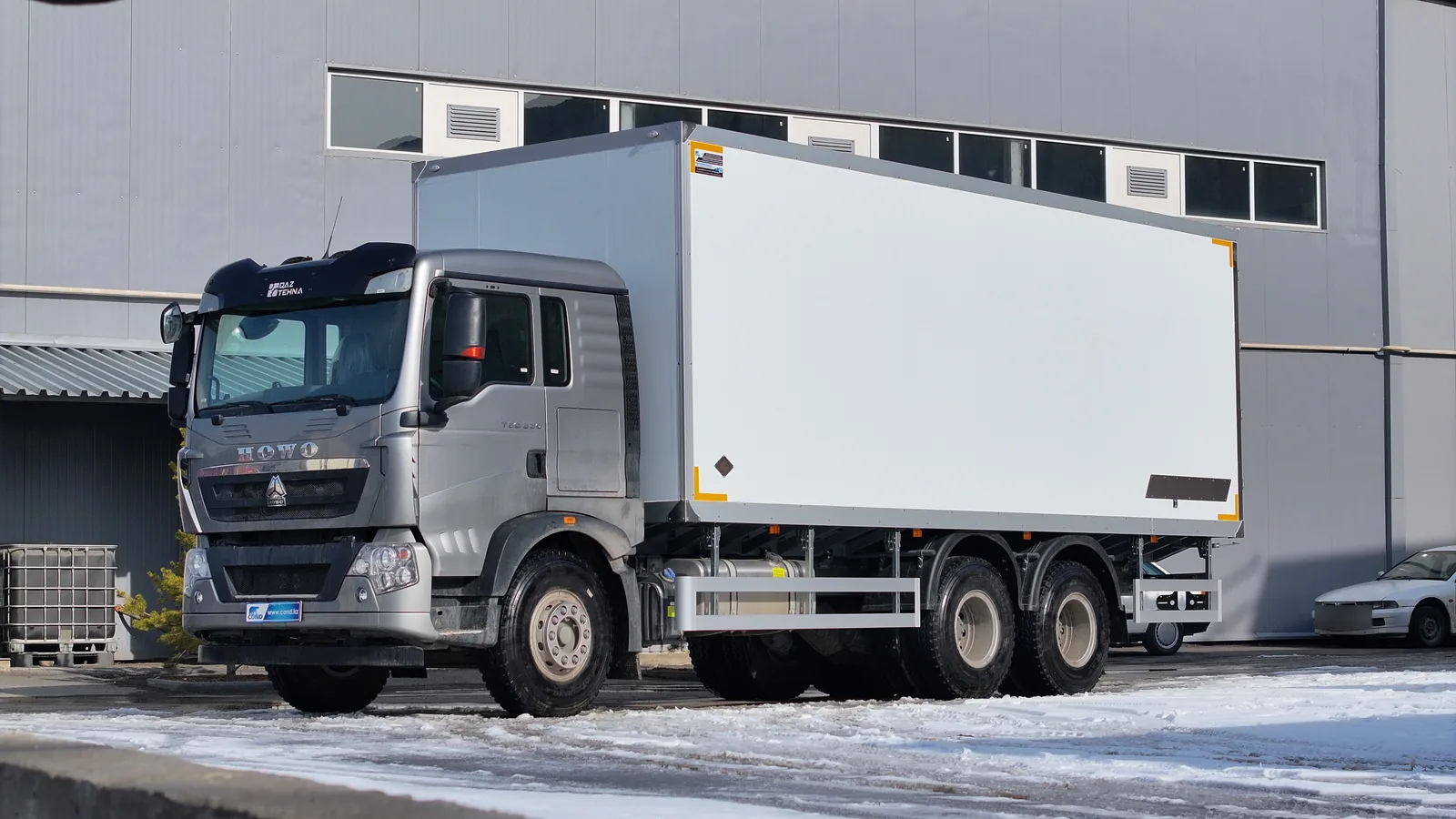
When a company outgrows a seven-tonner, the first thought is “the same again, only longer”. In practice moving into the 40+ cubic-metre class changes almost everything: axle calculations, subframe design, the choice of refrigeration unit, even the routes the truck can take.

Quote is based on body, chassis and temperature range.
Volume is limited by weight, not length
The temptation is obvious: a longer body means more cubic metres. But the gross weight is set by the manufacturer, and everything you add to the body comes off the load. A long body is heavier in itself: more panel, more frame, a longer subframe. So with a big van it often turns out that you have the cubes but nothing to put in them — the truck hits its permitted weight long before it runs out of walls.
Start from the density of the load. Light bulky goods — packaging, empty containers, insulation, appliances — are exactly where 43 m³ works. Heavy freight simply will not fit by weight.
Axle load is the main calculation
On a long body the centre of gravity moves much further. Load from the rear and the rear axle is overloaded; shift forward and it loses so much weight that traction goes. That is why we do the axle-load calculation before work starts: it determines where the body sits on the frame and what length it is allowed to be at all.
This is not a formality. An overloaded axle means fines at weight control, faster wear of tyres and suspension, and risk when registering the conversion.
Subframe
The longer the body, the more its connection to the frame matters. The subframe spreads the load along the whole chassis and absorbs frame twist on rough ground. On big bodies we use a galvanised subframe — it will not corrode for the life of the vehicle, and that matters more than it seems: once assembled, you cannot get to it.
A refrigeration unit sized for the volume
If the body is refrigerated, the volume dictates the unit outright. A unit that holds −20 °C in twenty cubic metres will manage nothing in forty. We went through this in detail: the manufacturer always states the limit as a pair of temperature and volume.
For big bodies that usually means a Carrier Supra with its own diesel or a larger Citimax — see the selection table. A self-powered unit also removes the dependence on the engine: on long-haul work with long stops that is decisive.
Where such a truck can actually go
A big van belongs on trunk routes and at large distribution centres. It physically will not do city delivery through courtyards, and that is worth checking до before buying: the route, the entrances, the turning areas, the gate height at the customer’s warehouse.
A common mistake is taking the biggest body “to grow into”, then discovering that half the stops are out of reach and a second, smaller truck is needed anyway.
Which bodies we build in this class
- Dry freight — the lightest option, the most payload for the same volume.
- Insulated — when you need protection from heat and frost without active cooling.
- Refrigerated body — with a unit sized for the volume; the heaviest and most expensive option.
- Curtainsider — when side and crane loading matter. Our example is a curtain-side body on a Hino.
From the medium class the closest to this line is JAC N200: three wheelbases and bodies up to 9.5 m.