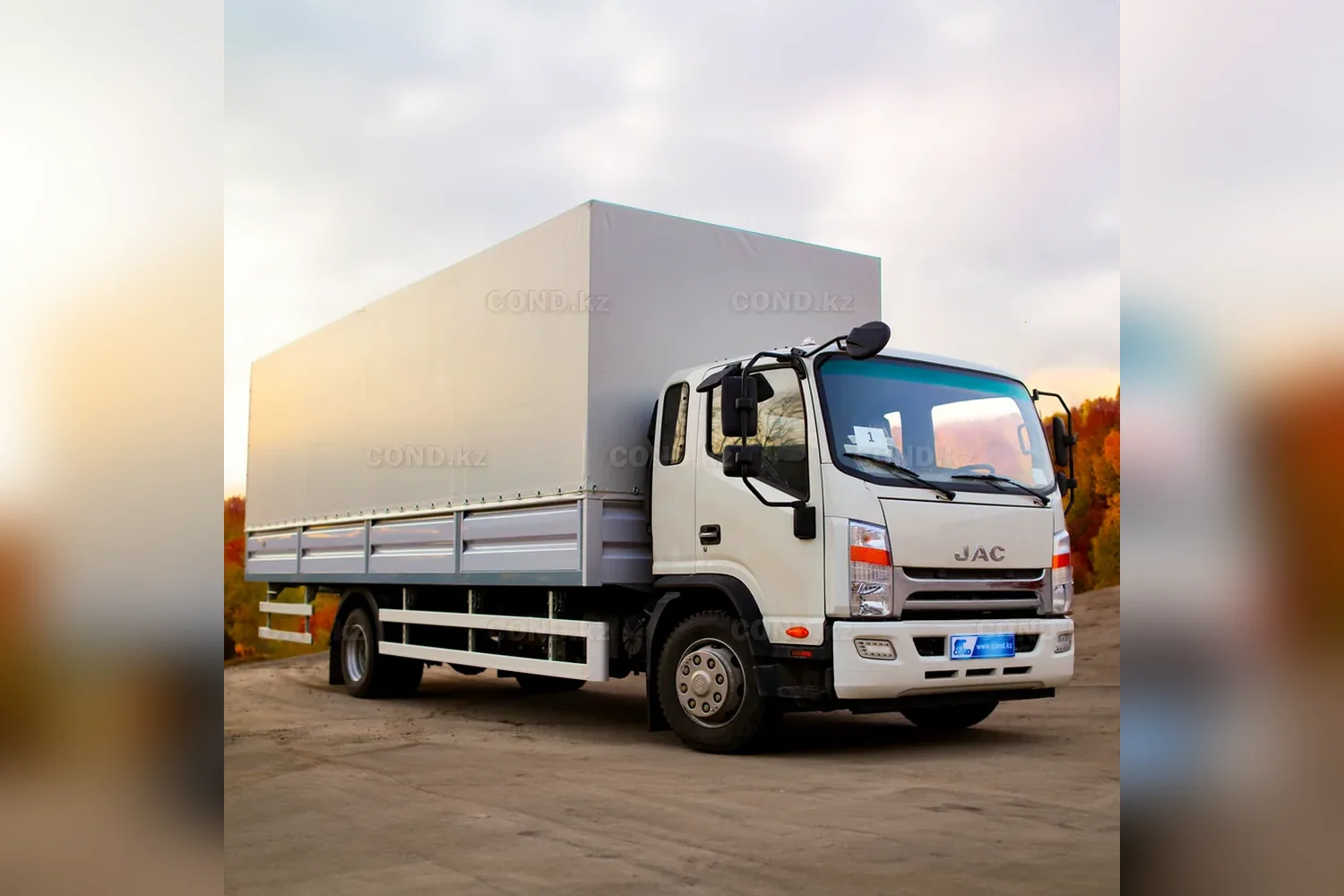
Curtainsider — a tarpaulin superstructure with rear doors, Almaty
Quote is based on body, chassis and temperature range.
Specifications
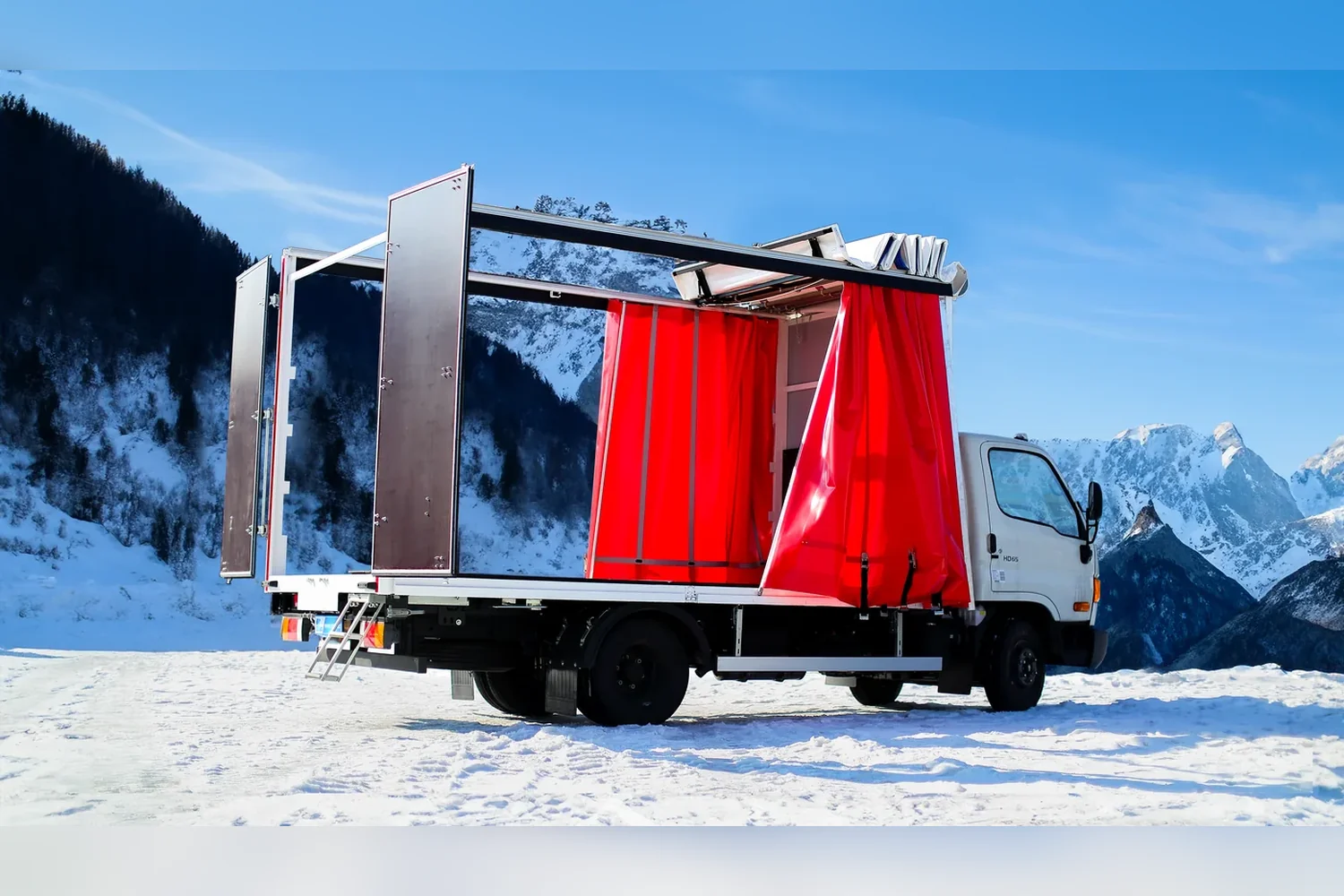
- ✓ Side and top loading — works with a forklift, crane or overhead crane
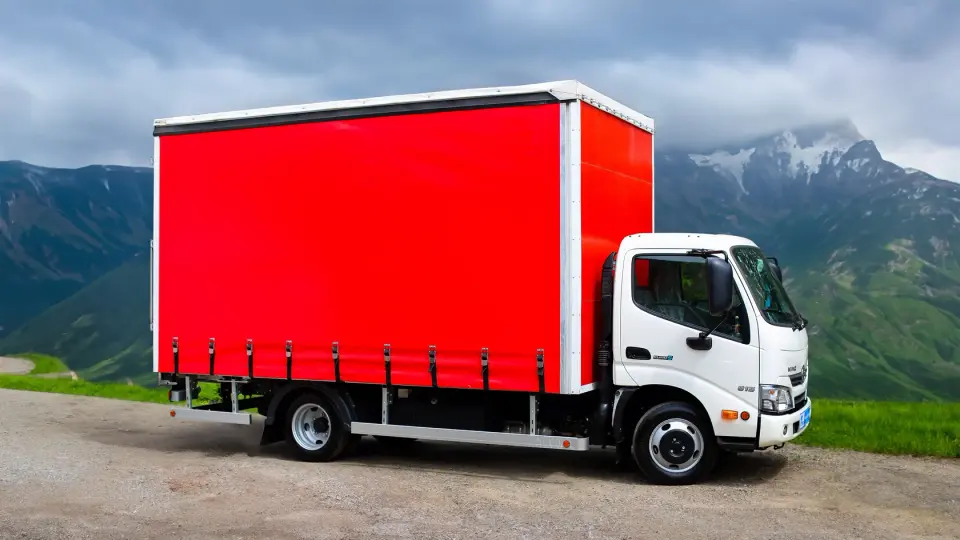
- ✓ A waterproof PVC tarpaulin protects the cargo from precipitation
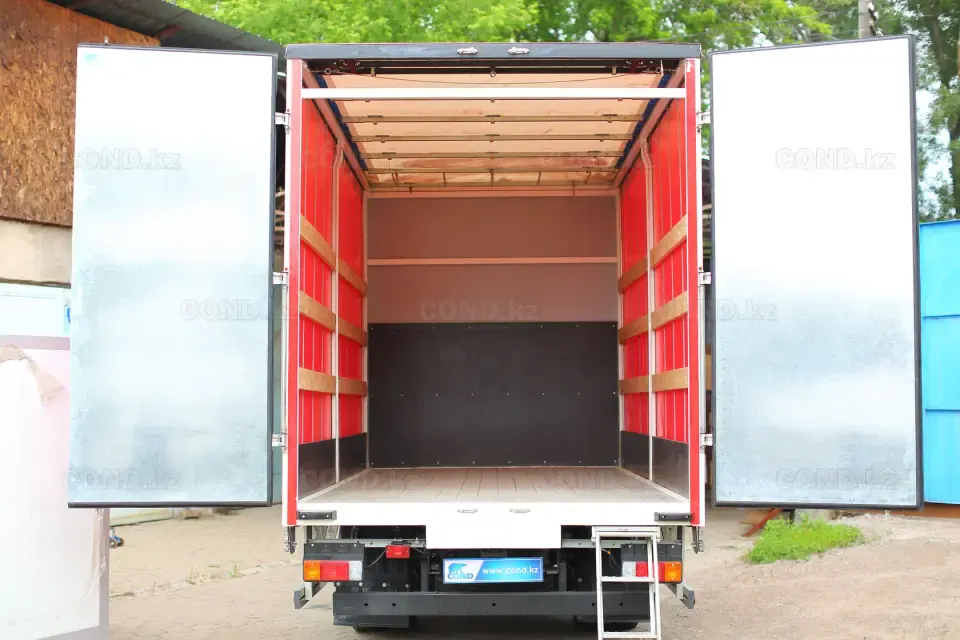
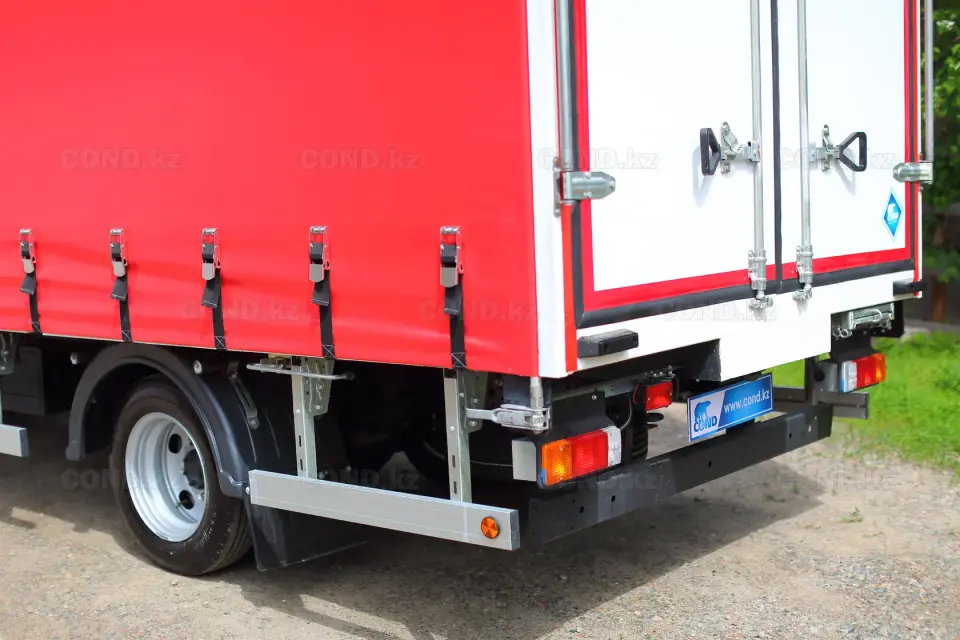
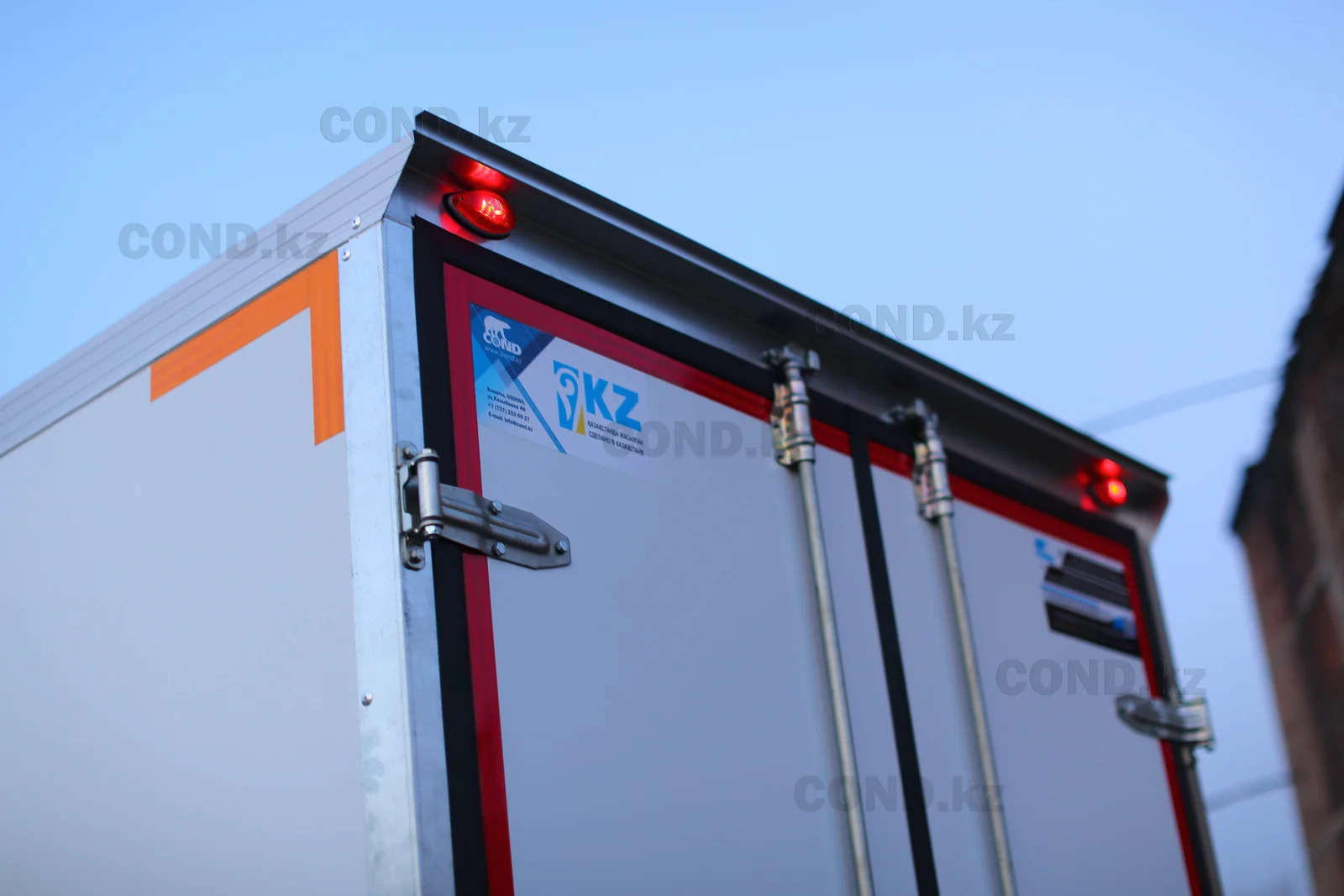
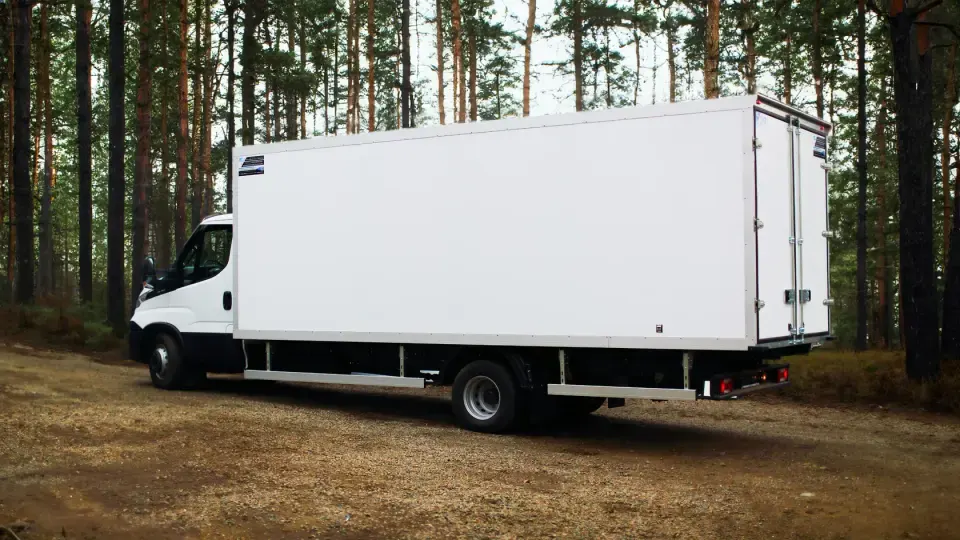
- ✓ Rear doors of sandwich panels with a rubber seal and water drain
- ✓ Euro sides — quick-release steel or aluminium sides under the tilt
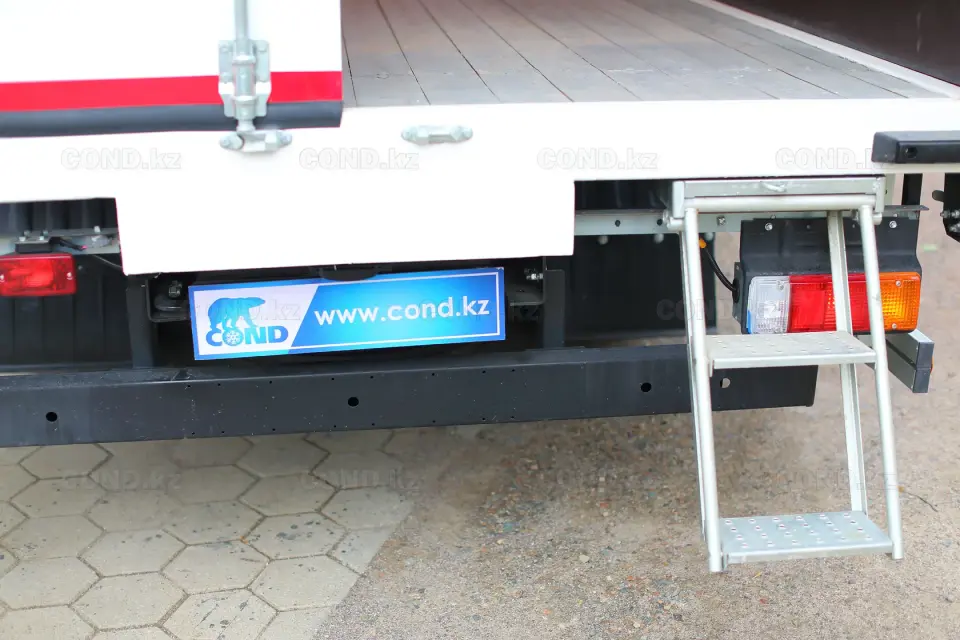
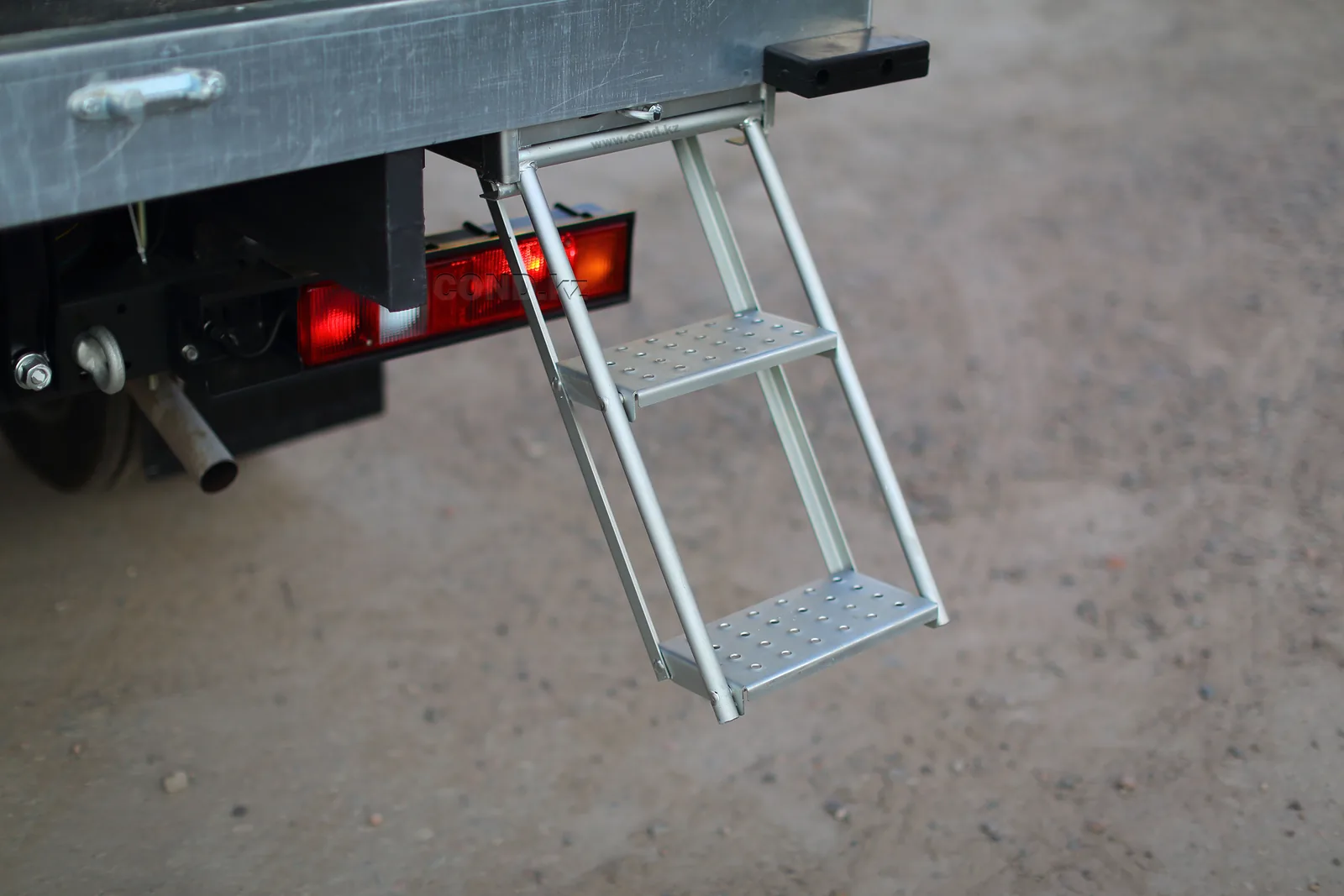
- ✓ A pull-out step for sites without a ramp or forklift
| Size | depends on the chassis |
| Tilt material | waterproof PVC fabric |
| Tilt frame | rectangular plywood frame |
| Side partition | moisture-resistant plywood barrier |
| Side partition height | 400 mm (optionally 600/800 mm) |
| Body doors | sandwich panels |
| Cargo compartment access | pull-out step |
| Floor material | anti-slip moisture-resistant plywood |
| Marker lights | red rear |
| Hardware | galvanised steel |
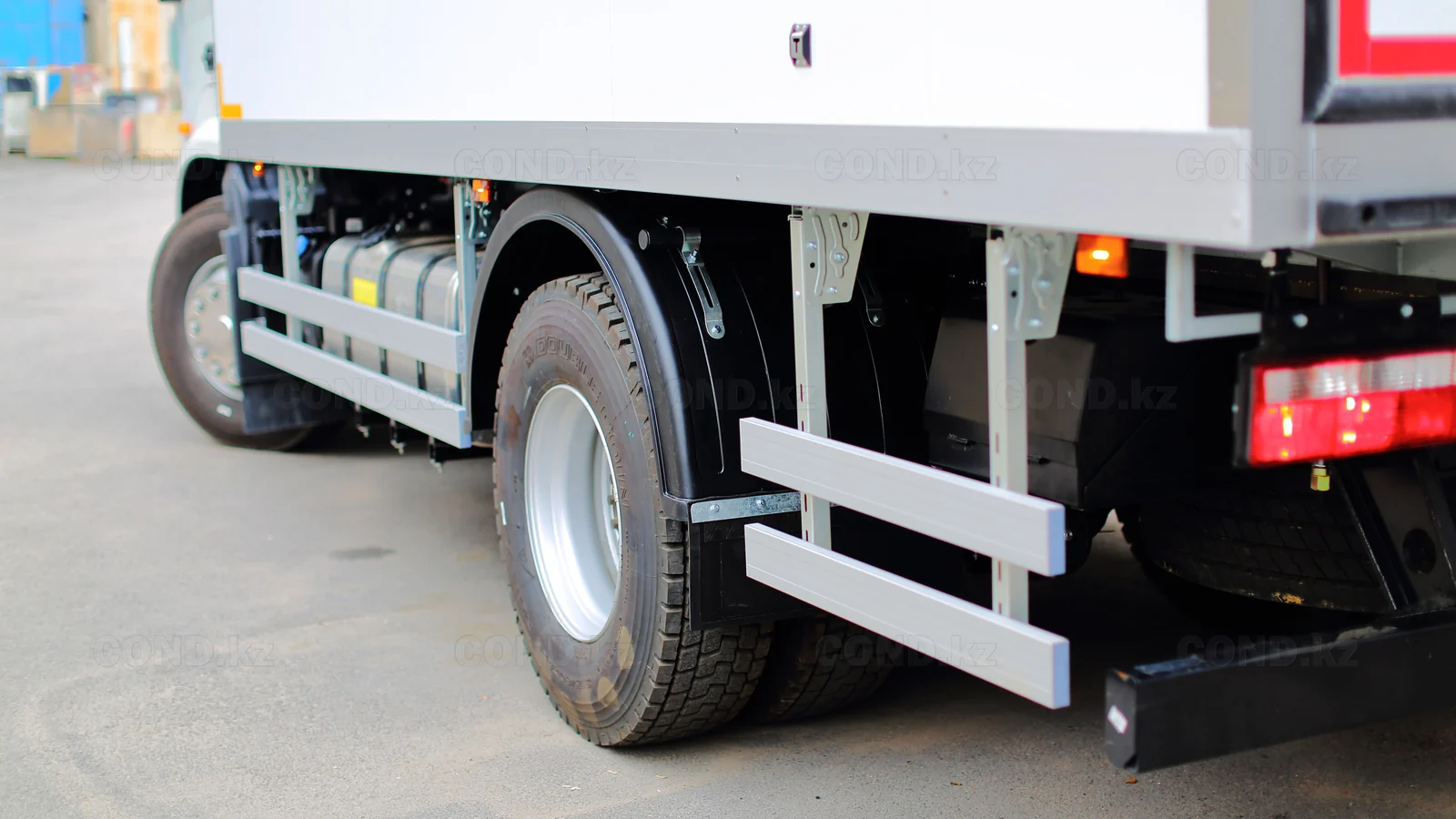
| Fenders | one-piece moulded plastic covers |
Typical cargo
- ✓ Household appliances
- ✓ General goods
- ✓ Electronics
- ✓ Furniture
- ✓ Building materials
- ✓ Equipment
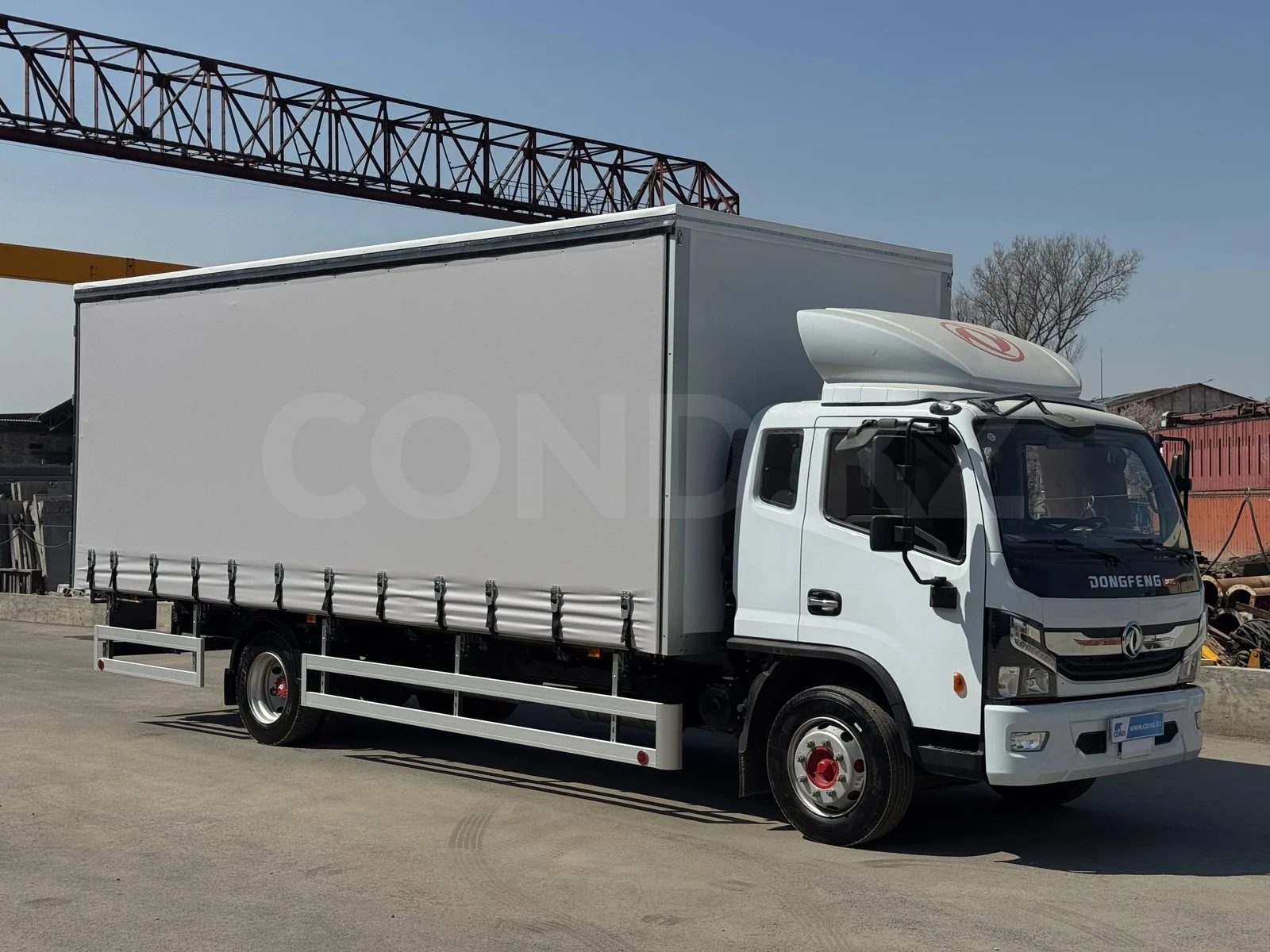
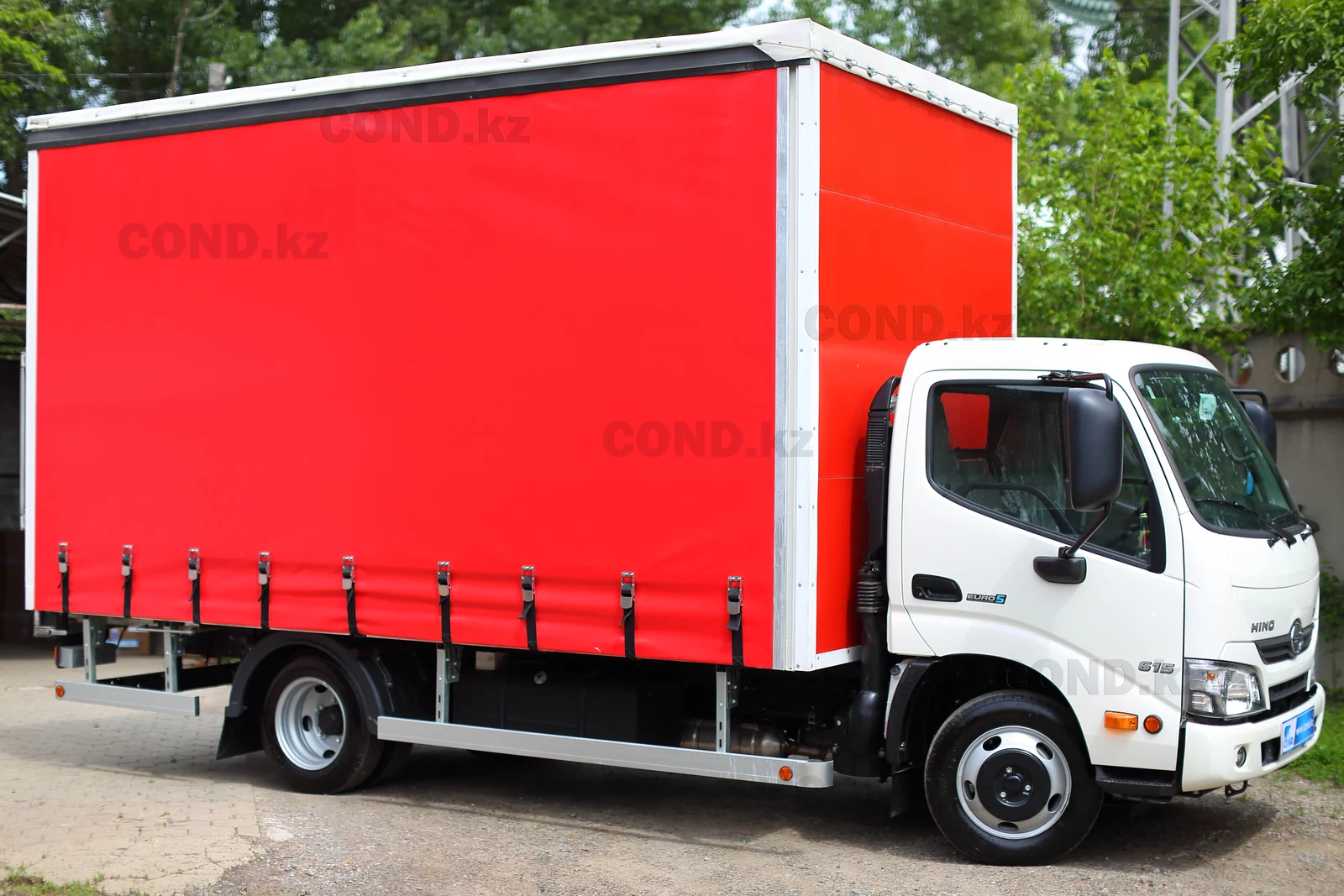
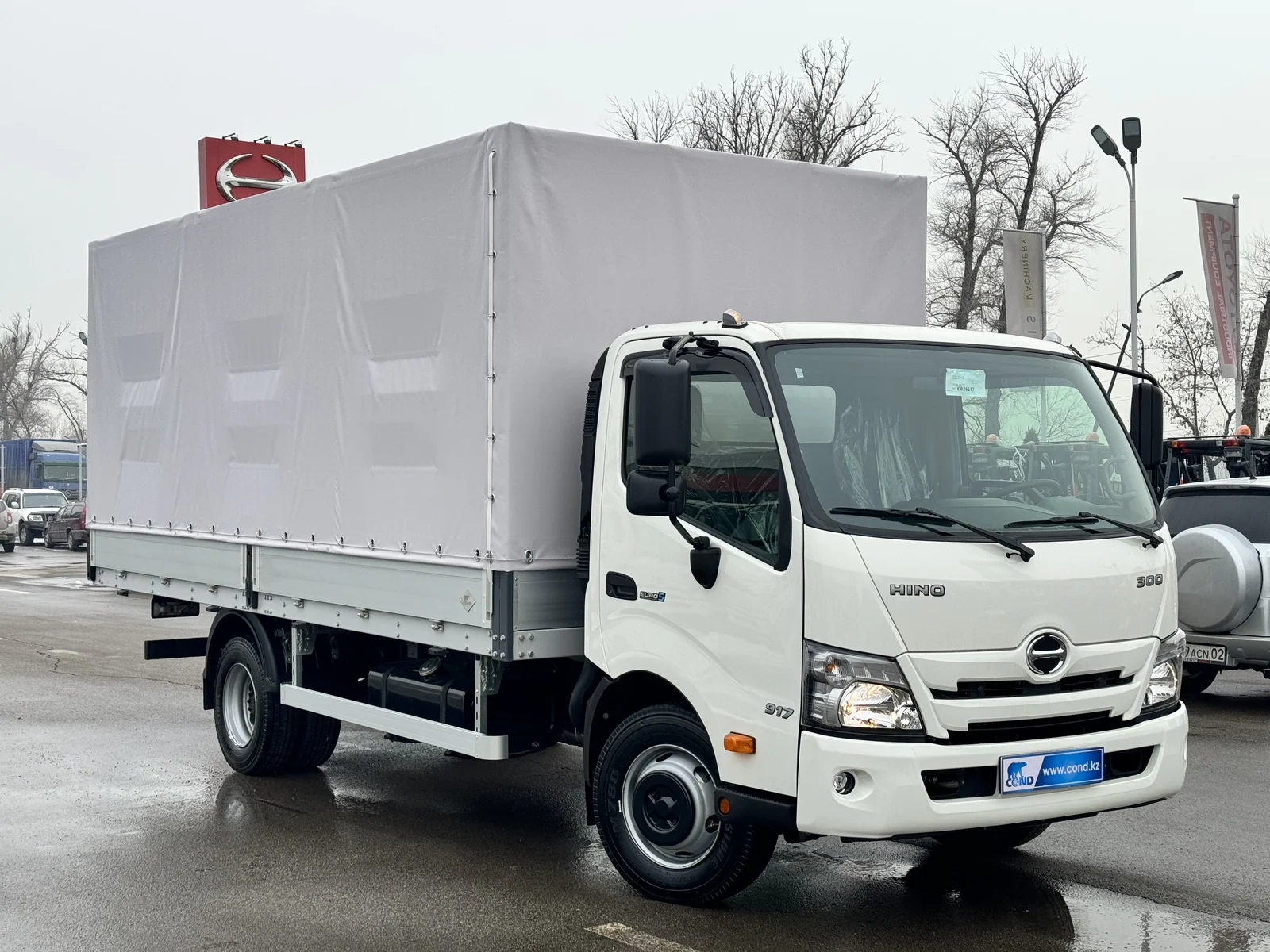
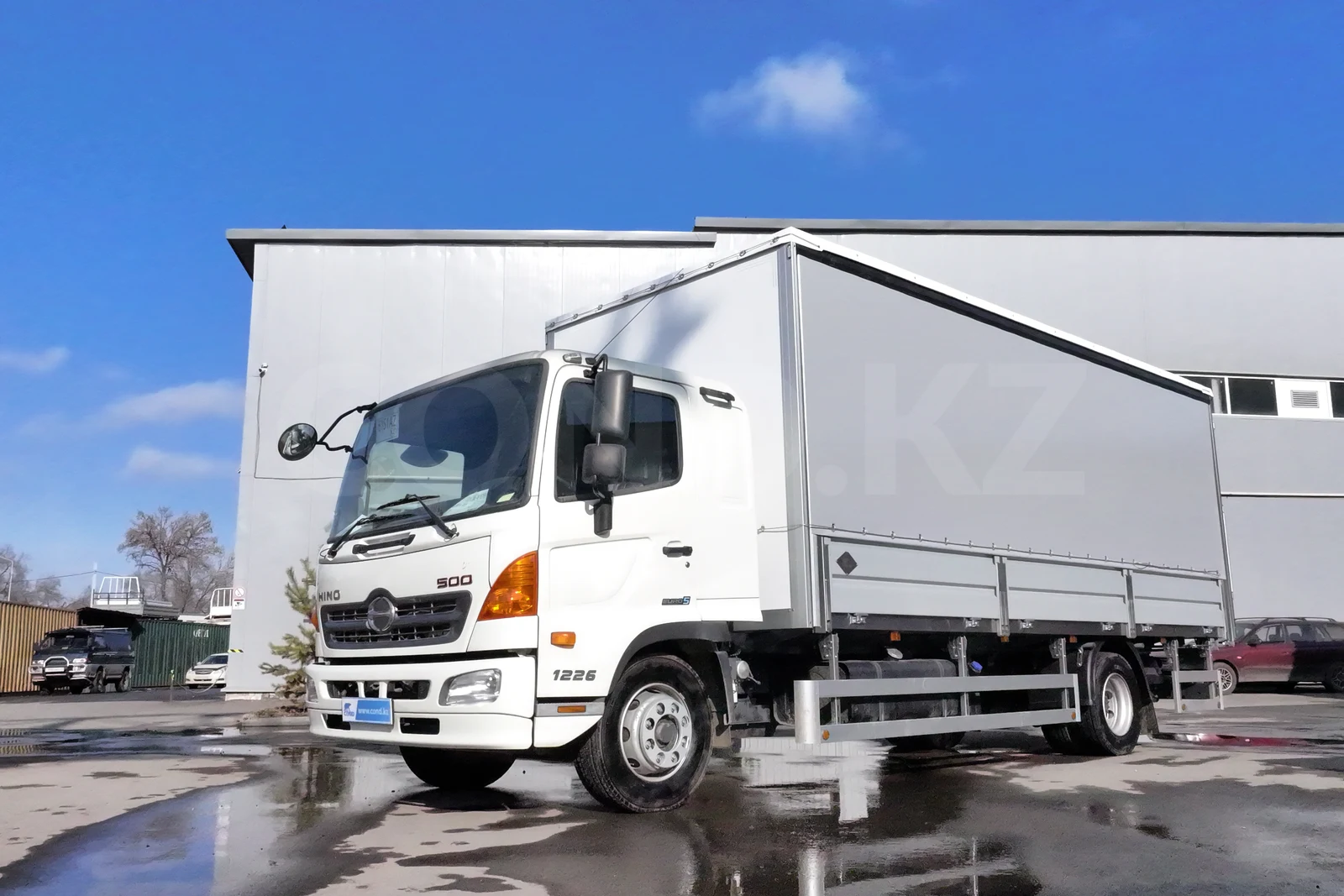
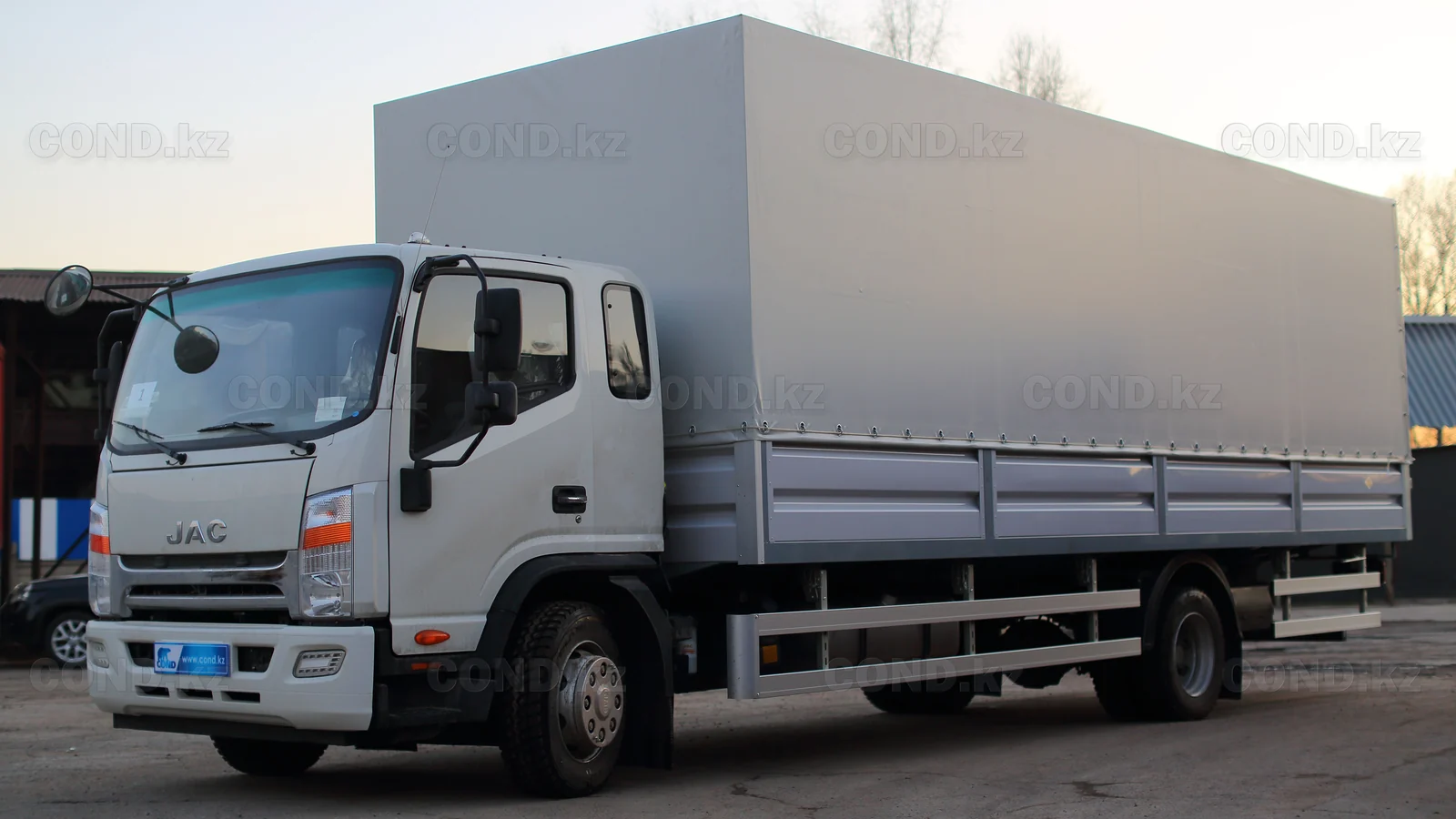
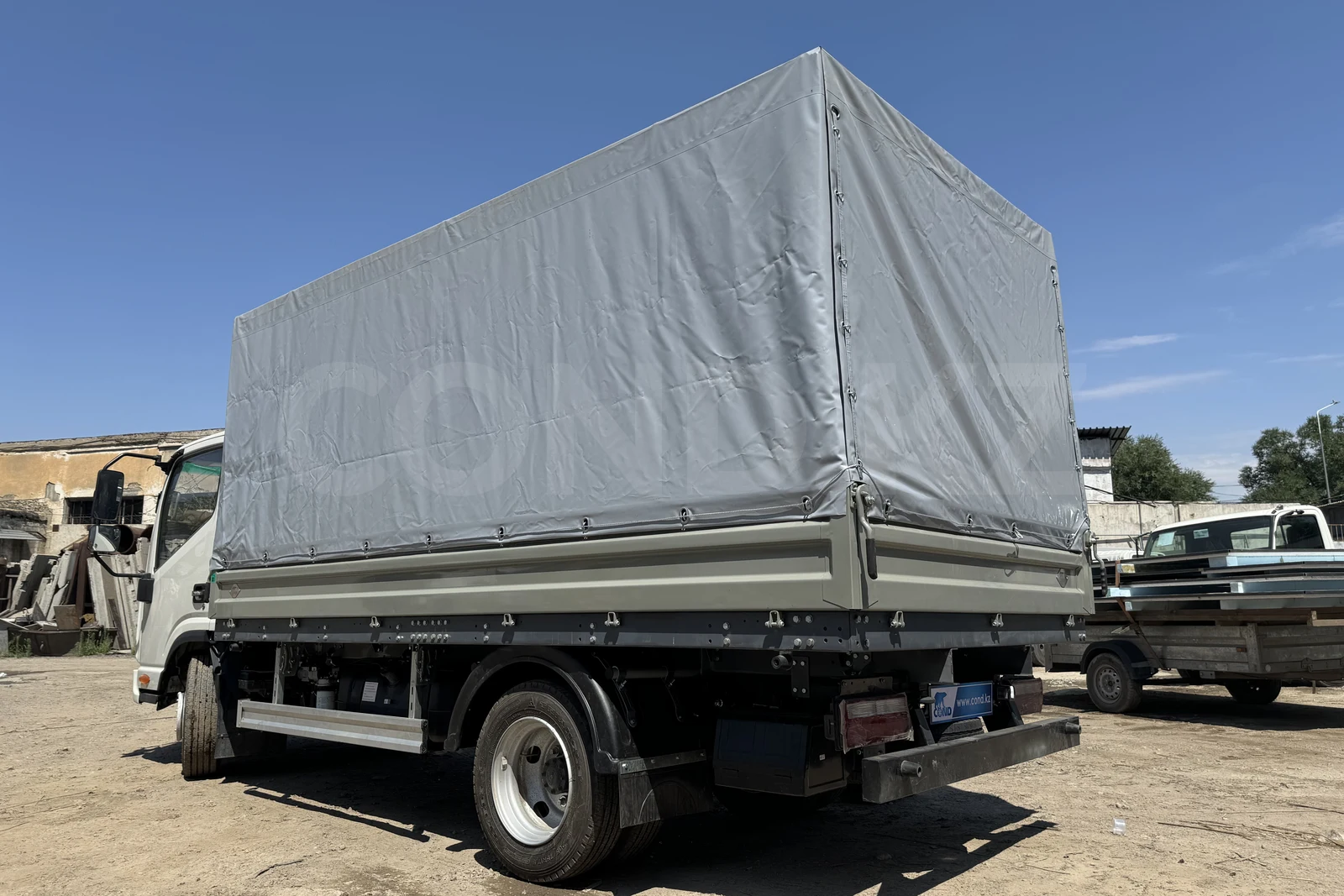
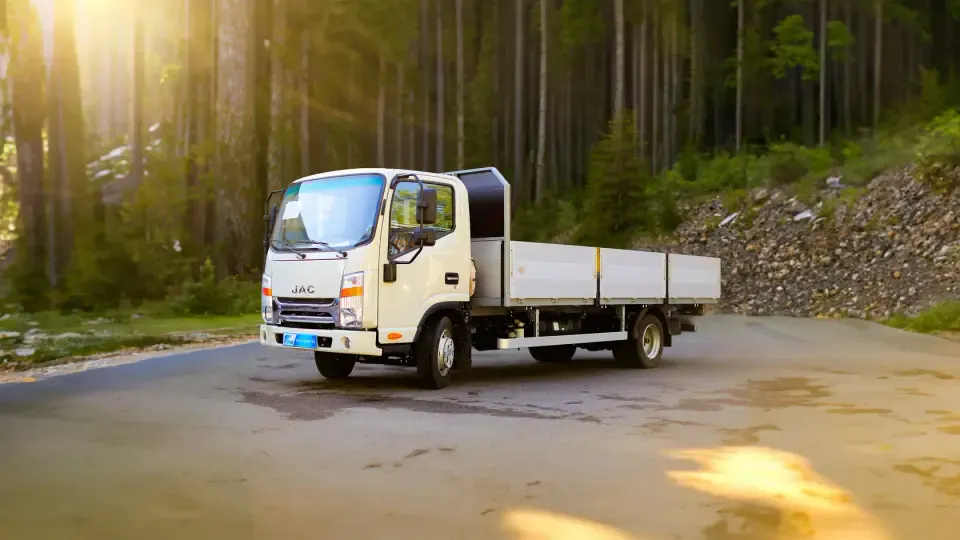
Completed eurotilts and curtain-side bodies
Curtain-side superstructures on various chassis — real projects from the COND plant.
Element by element — why COND
Every component a class above the standard build. Click a tab.
Euro sides 400/600/800 mm
About curtainsiders
What it is for
A curtainsider is an enclosed superstructure of a frame covered with waterproof PVC fabric, with rear doors of sandwich panels. It protects cargo from precipitation but not from temperature swings. Its main advantage is three-way loading: from the top by crane, from the side by forklift and from the rear through the doors.
Design
A 400 mm moisture-resistant plywood partition runs around the body perimeter (except the rear doorway). On request the partition is replaced with full euro sides — quick-release steel or aluminium sides 400/600/800 mm high to which the tilt attaches.
Who it suits
For intercity hauliers, distributors with palletised logistics, and companies loading by crane or side forklift.
How to order
We build for customer chassis of any payload. Tell us the dimensions and loading type (side, top or rear) — we will select the side design.
All the types explained: Types of van body — what bodies there are and how to choose
Explained on the blog:Curtainsider versus an eyelet tilt — why a curtain body is easier to work with
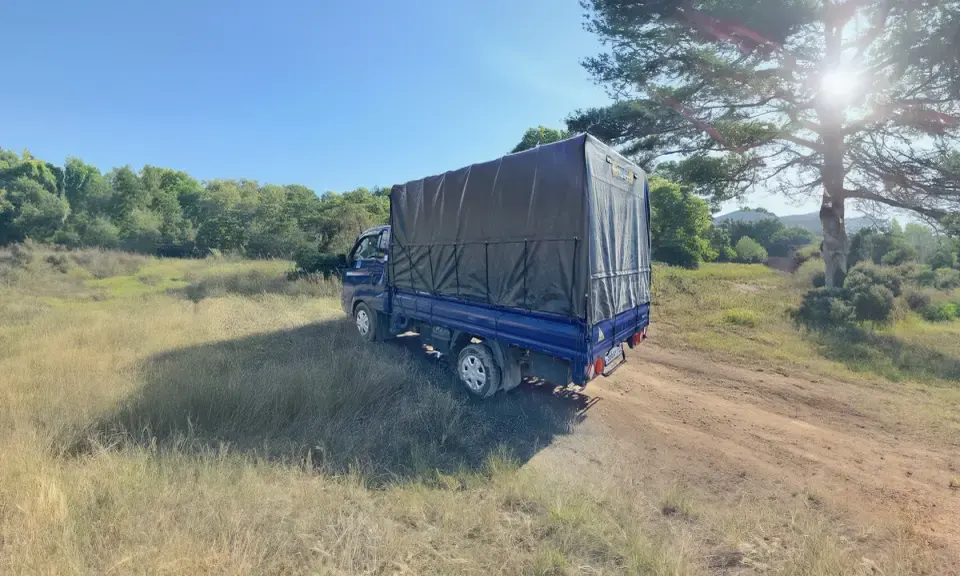
Curtainsider GAZelle Econom — 1,500,000 ₸
A fixed configuration for the GAZelle Next and Business: 4,200 × 2,100 × 2,200 mm, curtain sides, 650 g/m² PVC, two weeks.
Get an exact price
Leave your contacts — we will discuss your job and select the right option.
📞Phone+7 777 233-69-28💬WhatsApp
Message us