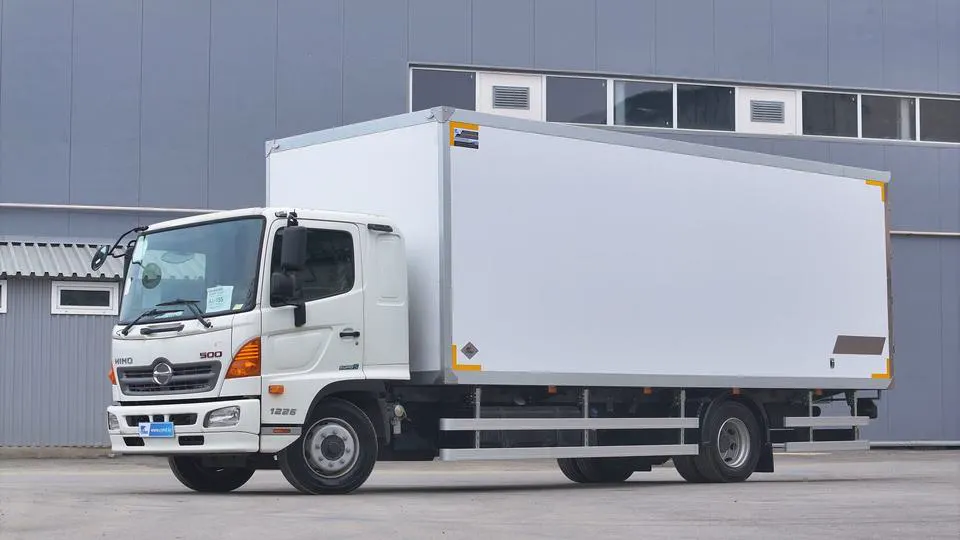
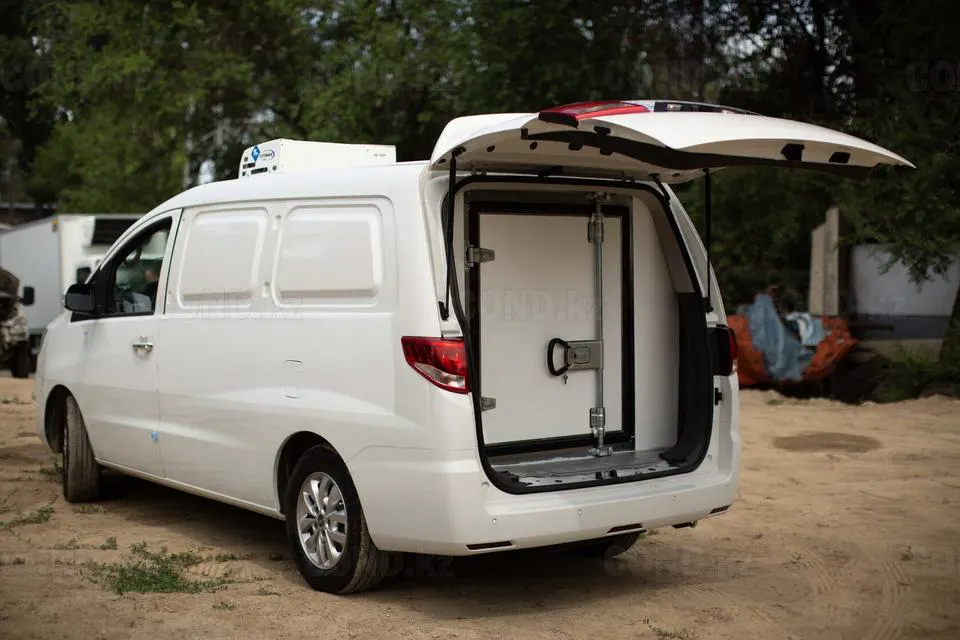
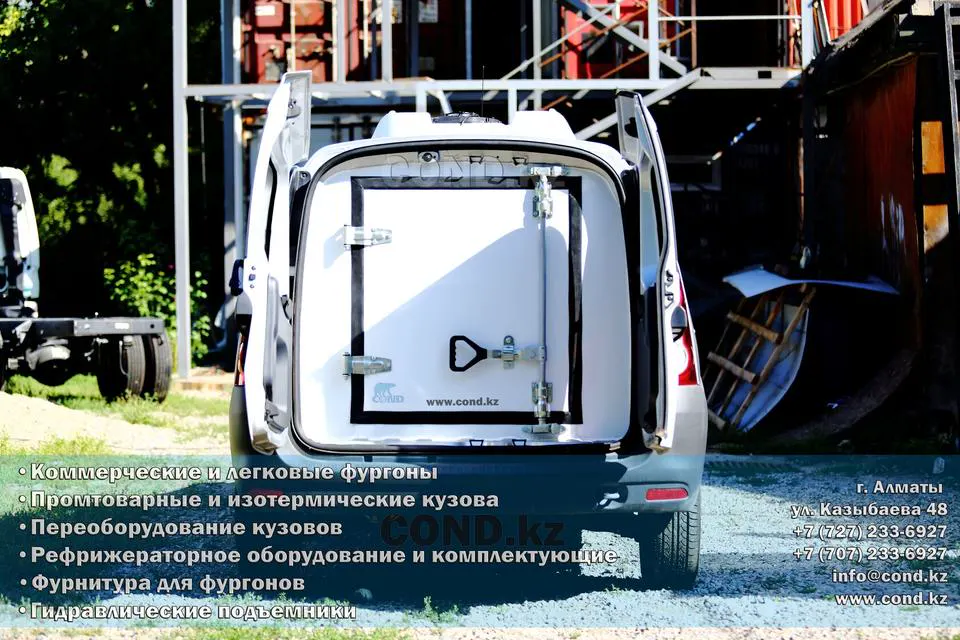
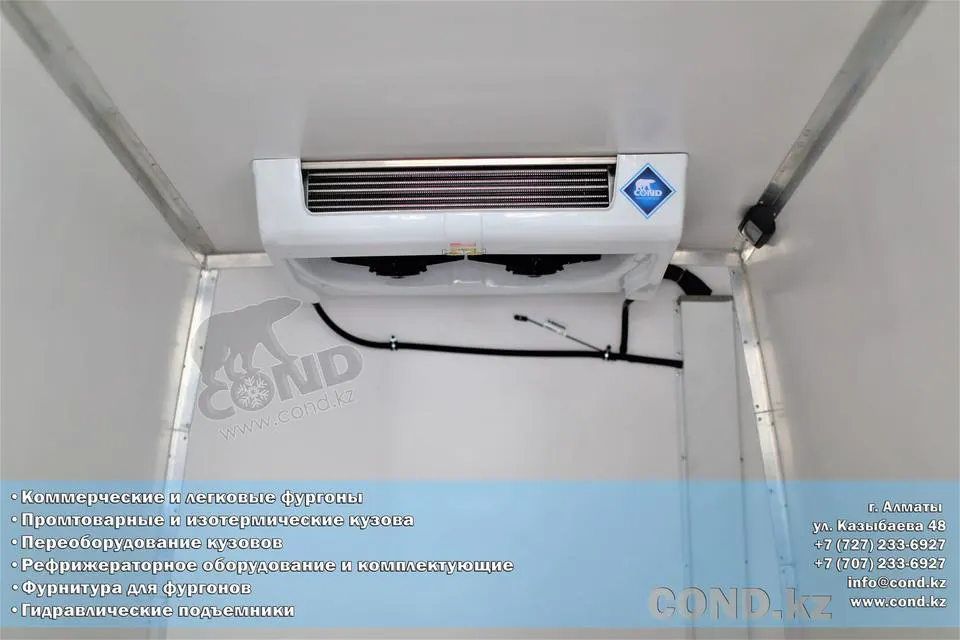
Van insulation and conversion into a reefer
How a van body is insulated
A van body is insulated from the inside: walls, floor and roof get polyurethane foam or sandwich panel, cold bridges are removed, doors get a three-chamber seal. Thickness follows the mode: 50 mm for 0…+6 °C, 80 mm for −18 °C, 100 mm for −18 °C at +40 °C outside. Then a refrigeration unit is fitted and the pull-down is tested.
Quote is based on body, chassis and temperature range.
What the conversion includes
Body insulation
Polyurethane foam and in-house sandwich panels. Thermal bridges along the frame are eliminated.
Doors and seals
Door insulation and replacing the seal with a triple-chamber profile — the point where the cold escapes.
Refrigeration unit installation
Selection and fitting of Carrier, Elinge or eutectic plates to suit the temperature range and the route.
Floor and lining
A sealed deck, wash-resistant interior lining, optionally chequered aluminium.
Measurement and design
The survey is done on site and the insulation thickness is calculated for the target temperature.
Duty check
After the work, reaching the target temperature and holding it under load are checked.
What insulation thickness a temperature range needs
Panel thickness is set not by the type of body but by the temperature it has to hold, and by how hot it is outside while it holds it.
| Panel thickness | Range inside | When it is enough |
|---|---|---|
| 50 mm | chilling at 0…+6 °C | chilled goods on a short urban run |
| 80 mm | freezing down to −18 °C | frozen cargo in ordinary conditions |
| 100 mm | freezing to −18 °C in hot weather | a Kazakh summer, +40 °C outside and a long run |
Hence the difference in the cost of a conversion: 50 mm for chilled goods and 100 mm for freezing in the heat mean a different amount of work and a different unit output. The panel takes thickness off every side, floor and ceiling included, so at 100 mm the usable volume drops noticeably.
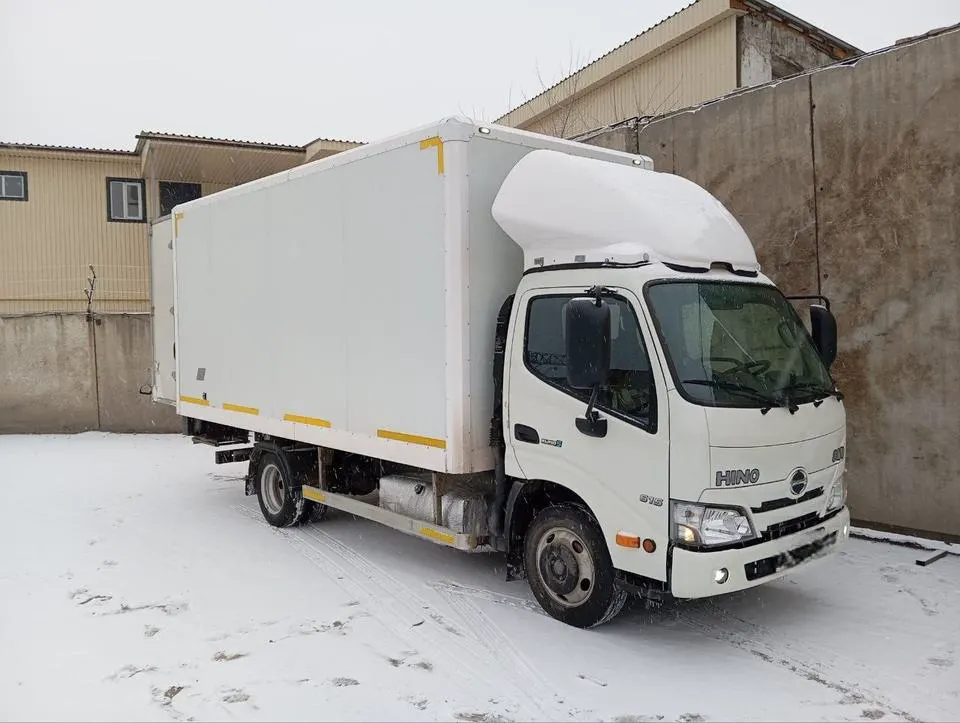
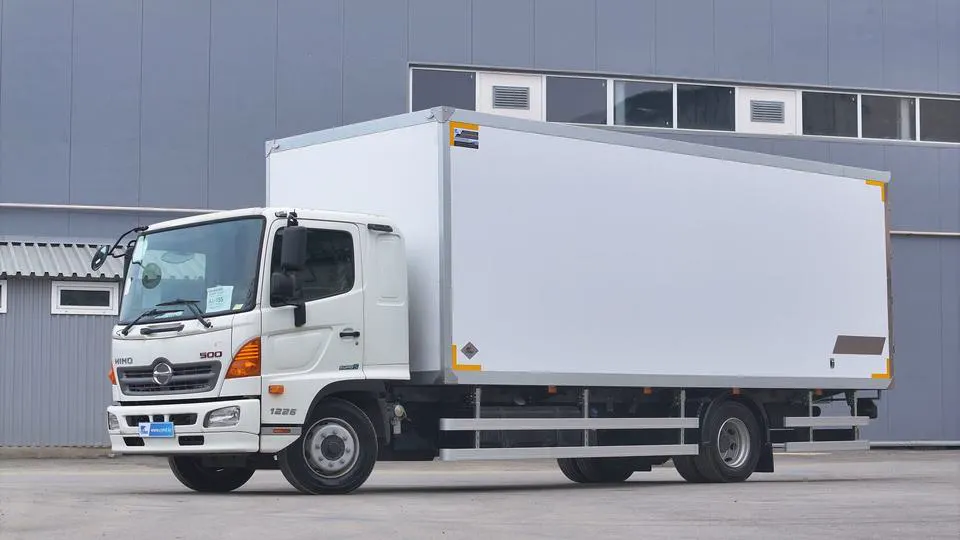
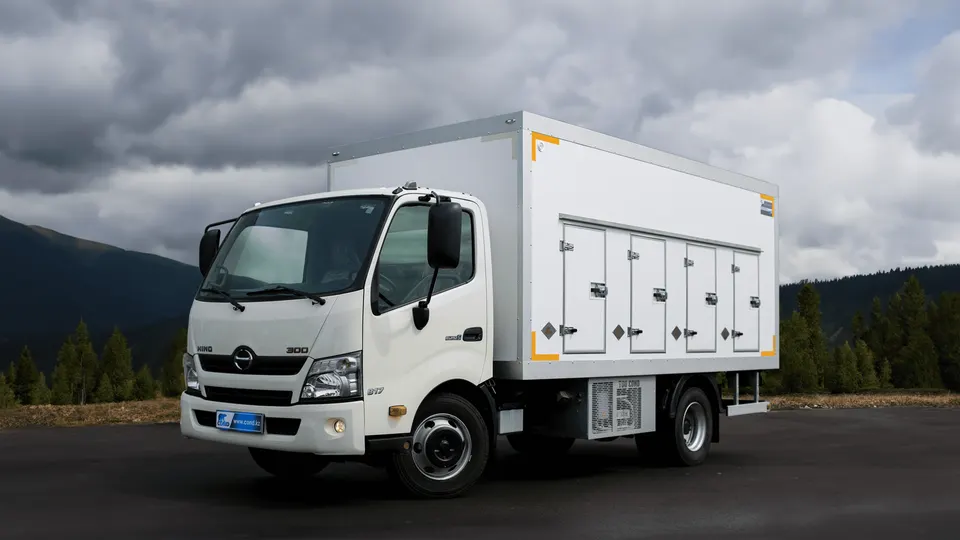
What you end up with:An insulated vanRefrigerated vanEutectic plates
Panel van conversion:into a reeferinsulated bodyFRP wall liningvan floor
FAQ about insulating a van body
When it pays off
- ✓ There is a panel van, but food has to be carried
- ✓ The isothermal body no longer holds its temperature — restoring is cheaper than replacing
- ✓ Chilled transport is needed without buying a new refrigerated truck
- ✓ You only need the duty in summer — insulation and eutectic plates are enough
Advantages
Our own materials
Panels and profile are made in-house: no waiting for deliveries and no dependence on someone else’s quality.
For the target temperature
Insulation thickness and unit output are calculated for the specific cargo, not by eye.
Lead time
Typical insulation takes from a few working days.
Warranty
On materials and work — the same as on our own bodies.
Related sections
Get a quote
Describe the job — we will discuss the details and timing.
📞Phone+7 777 233-69-28💬WhatsApp
Message us