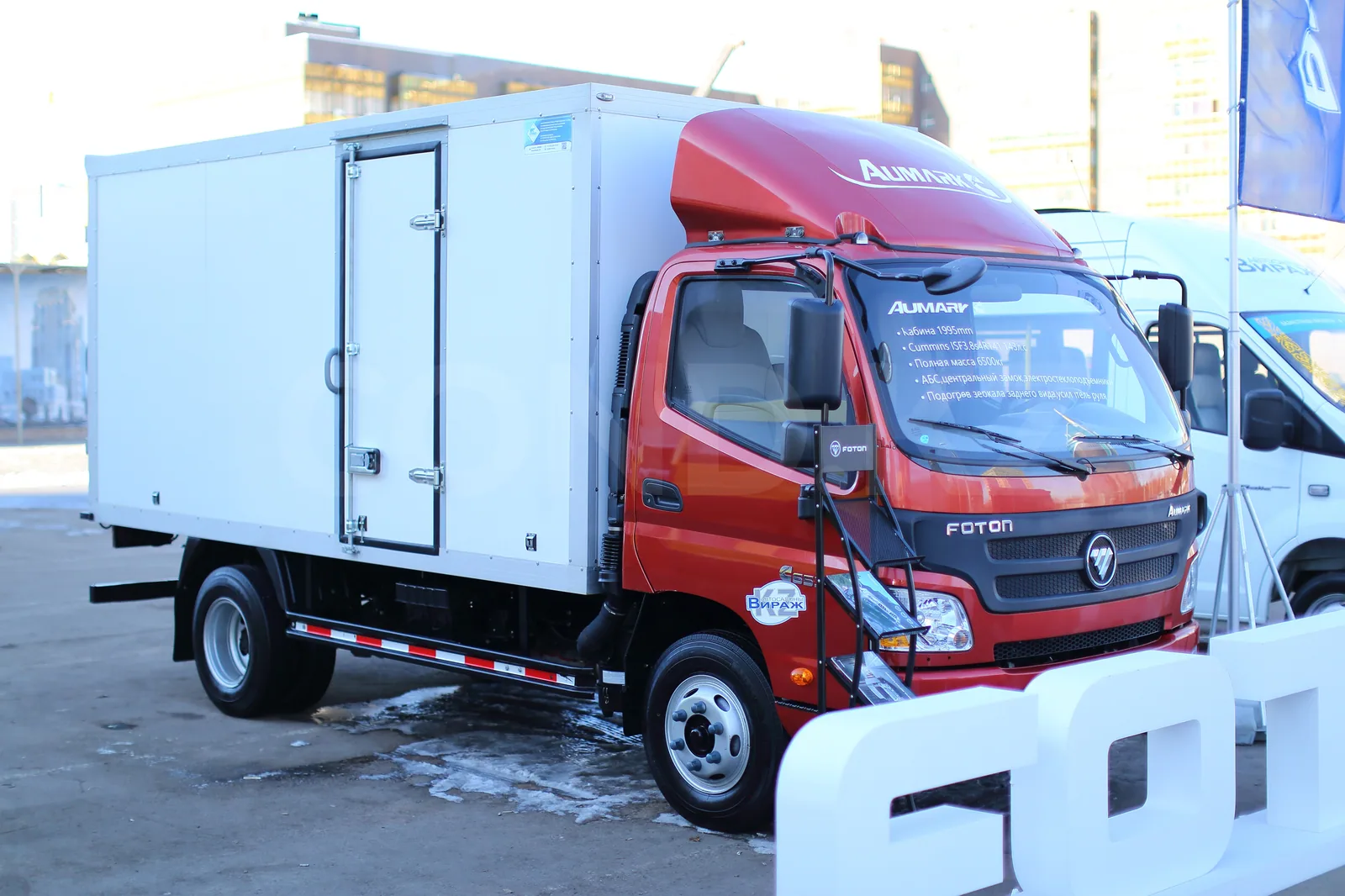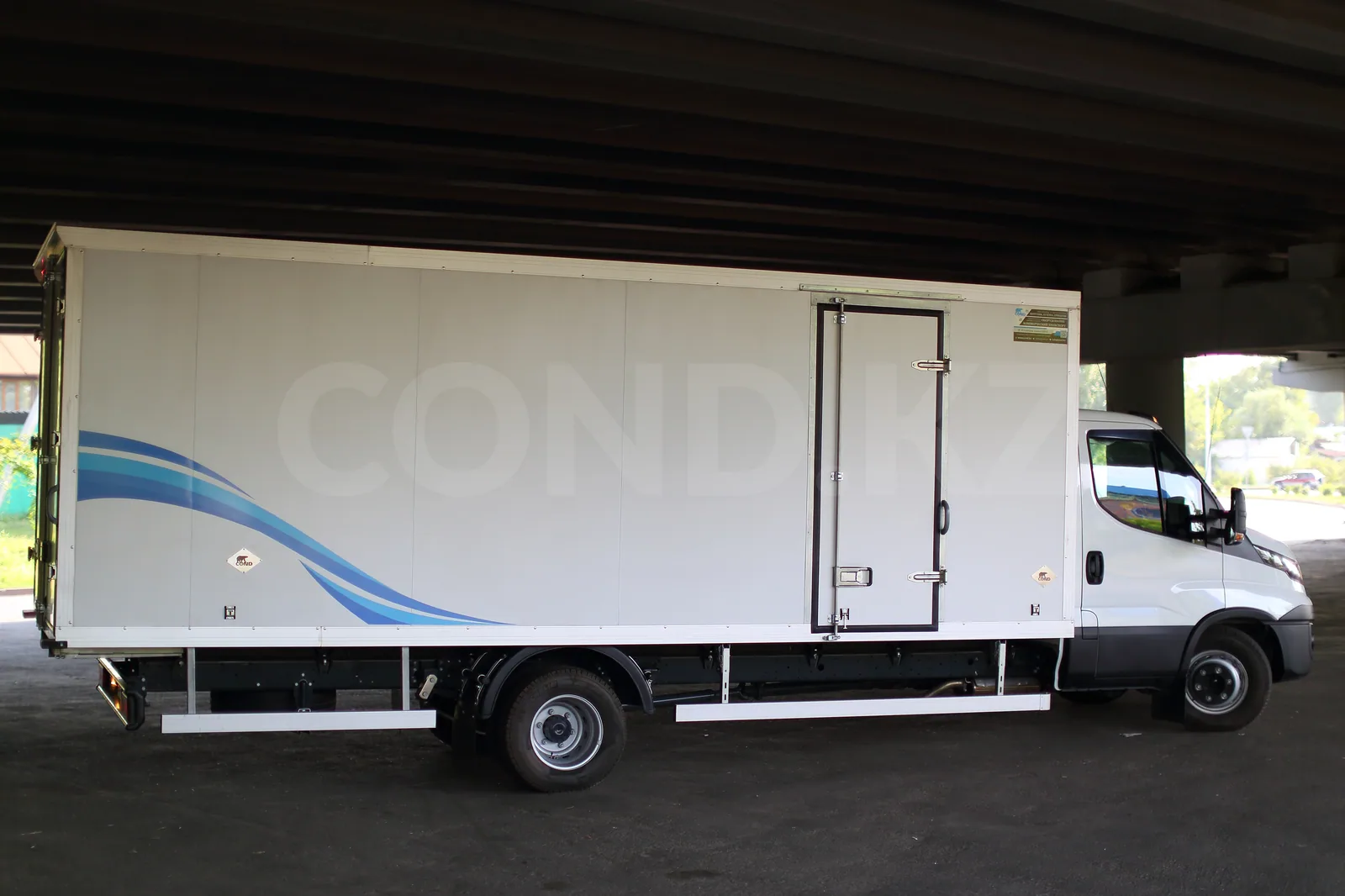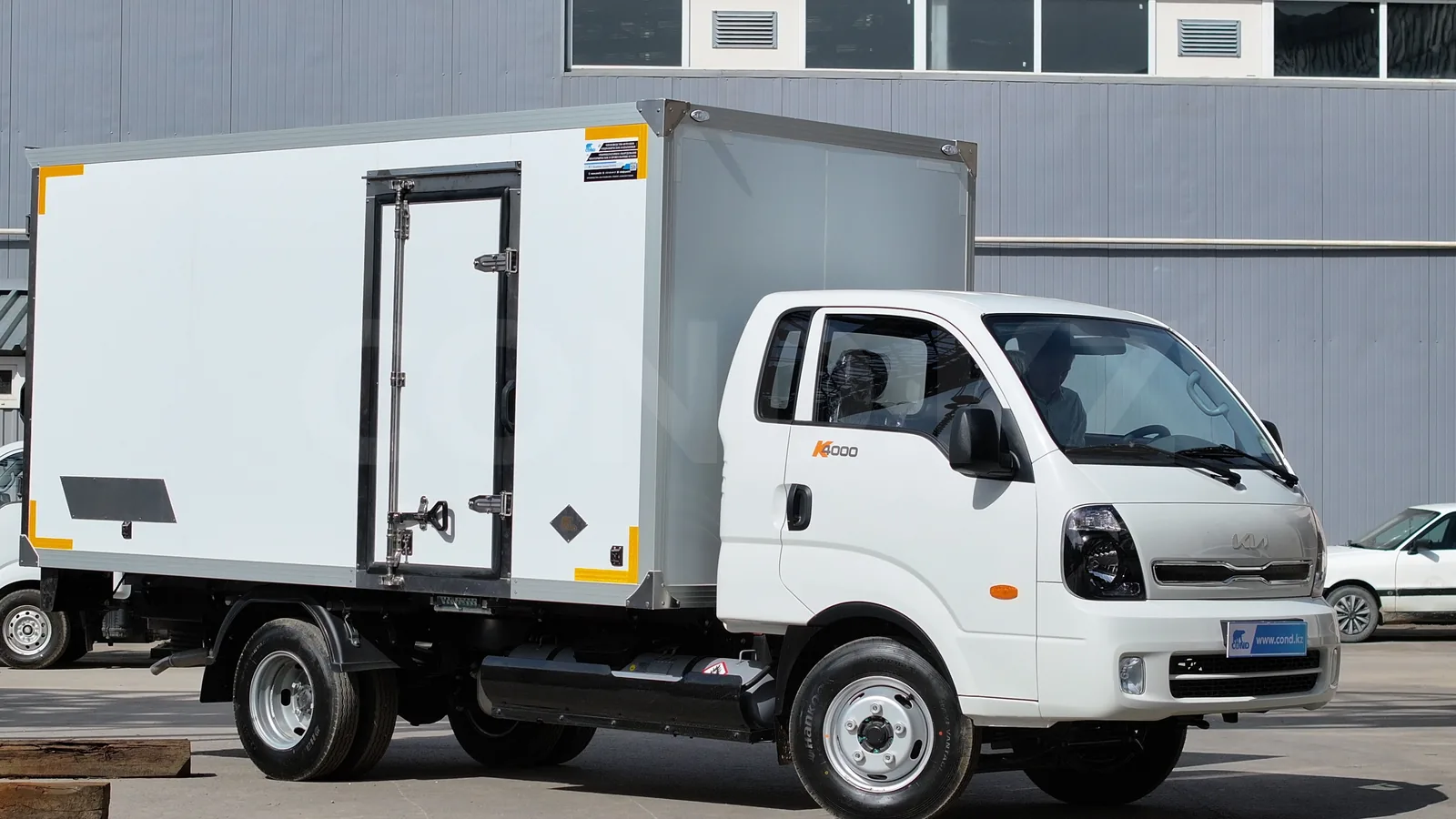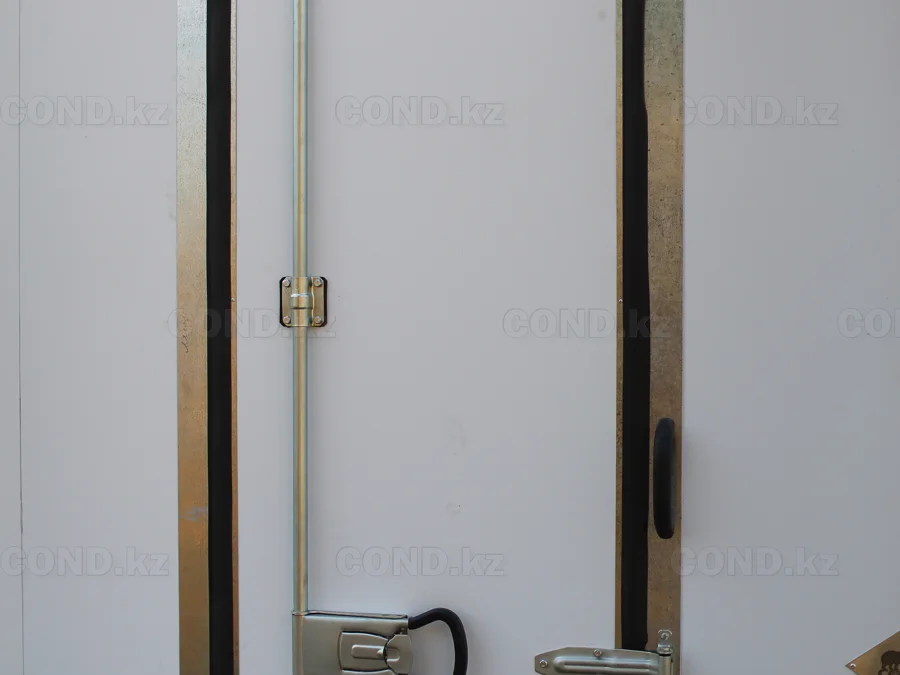
Side door
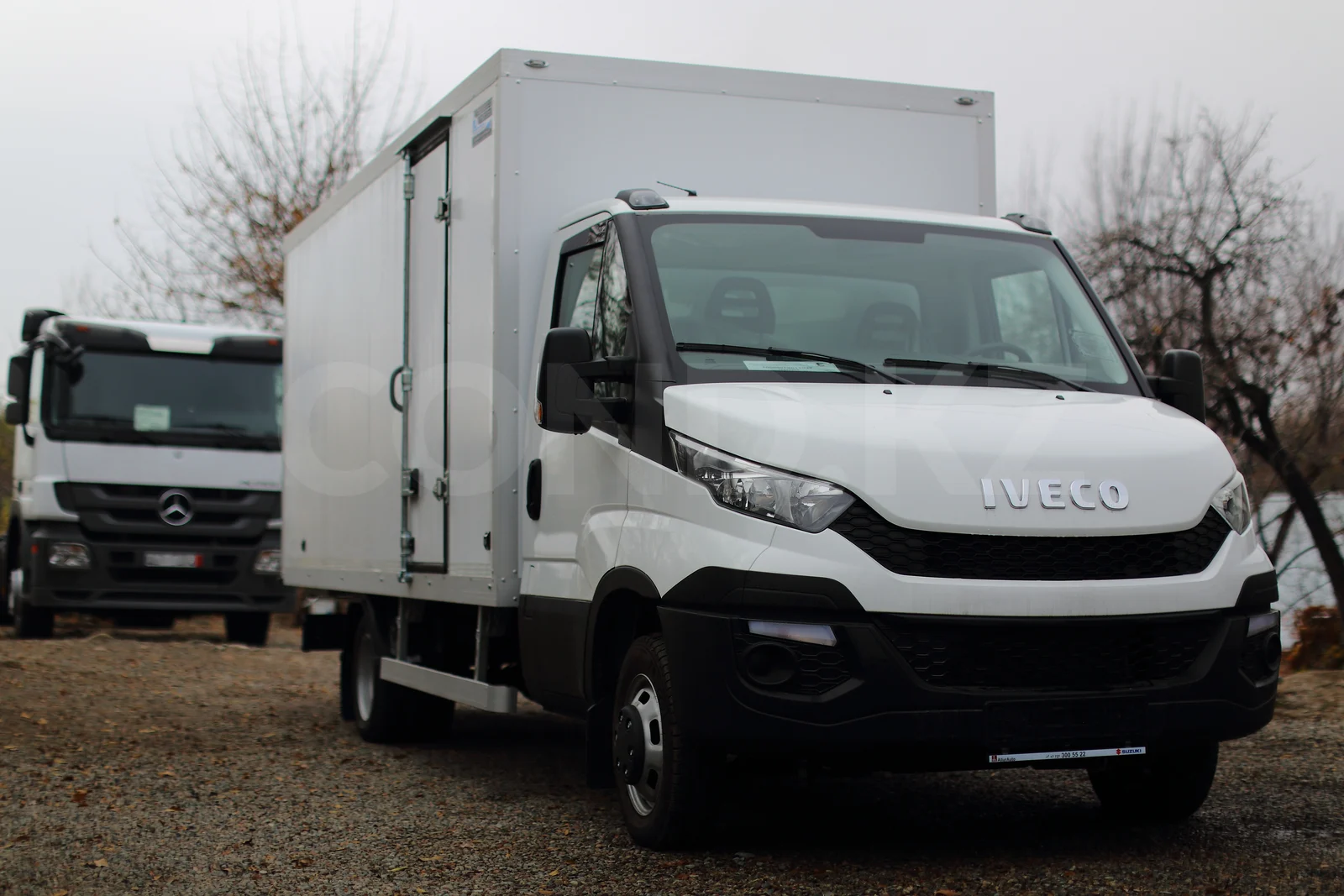
Single or double door in the side wall — fast multi-drop unloading without opening the rear doors.
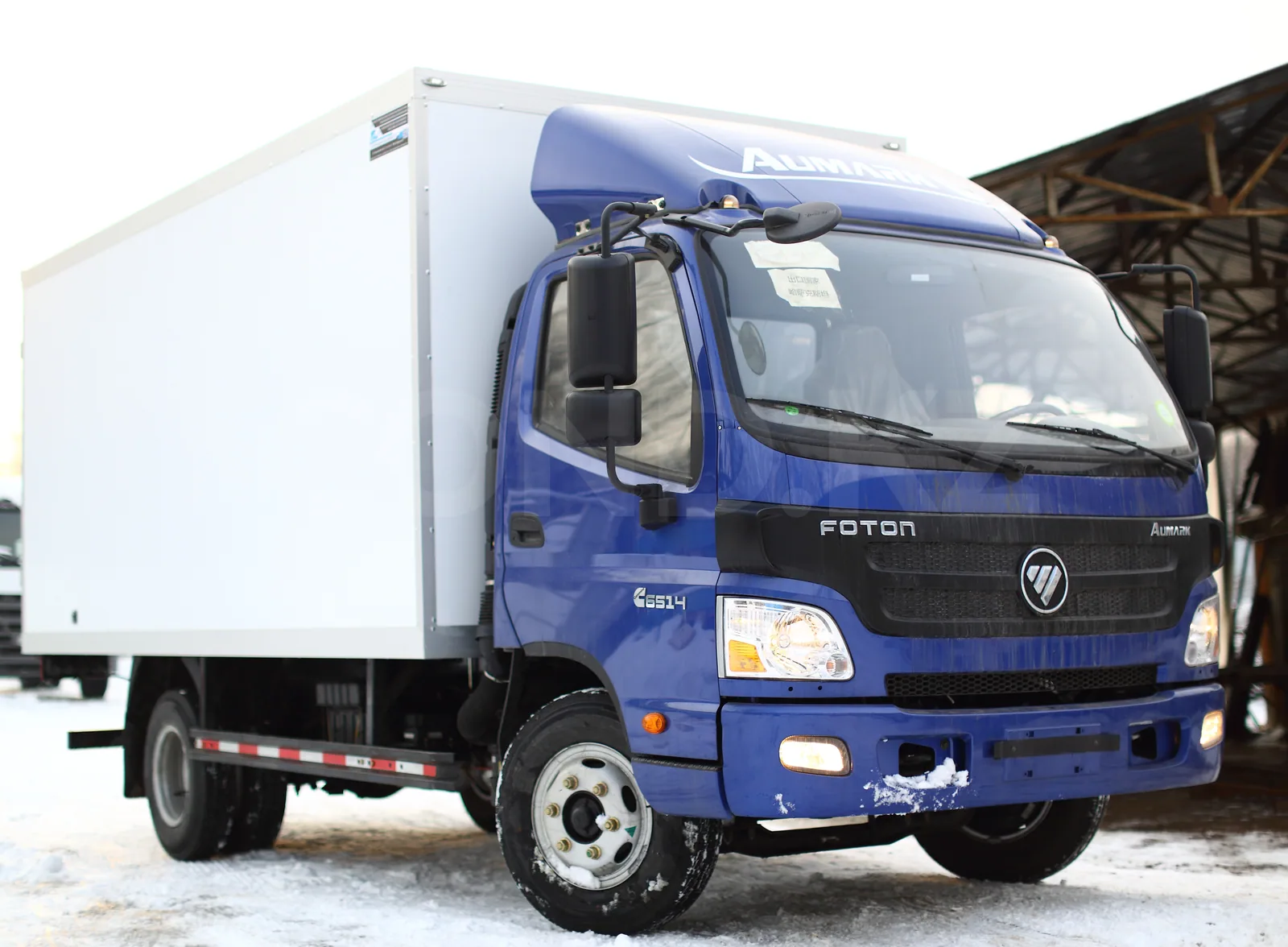
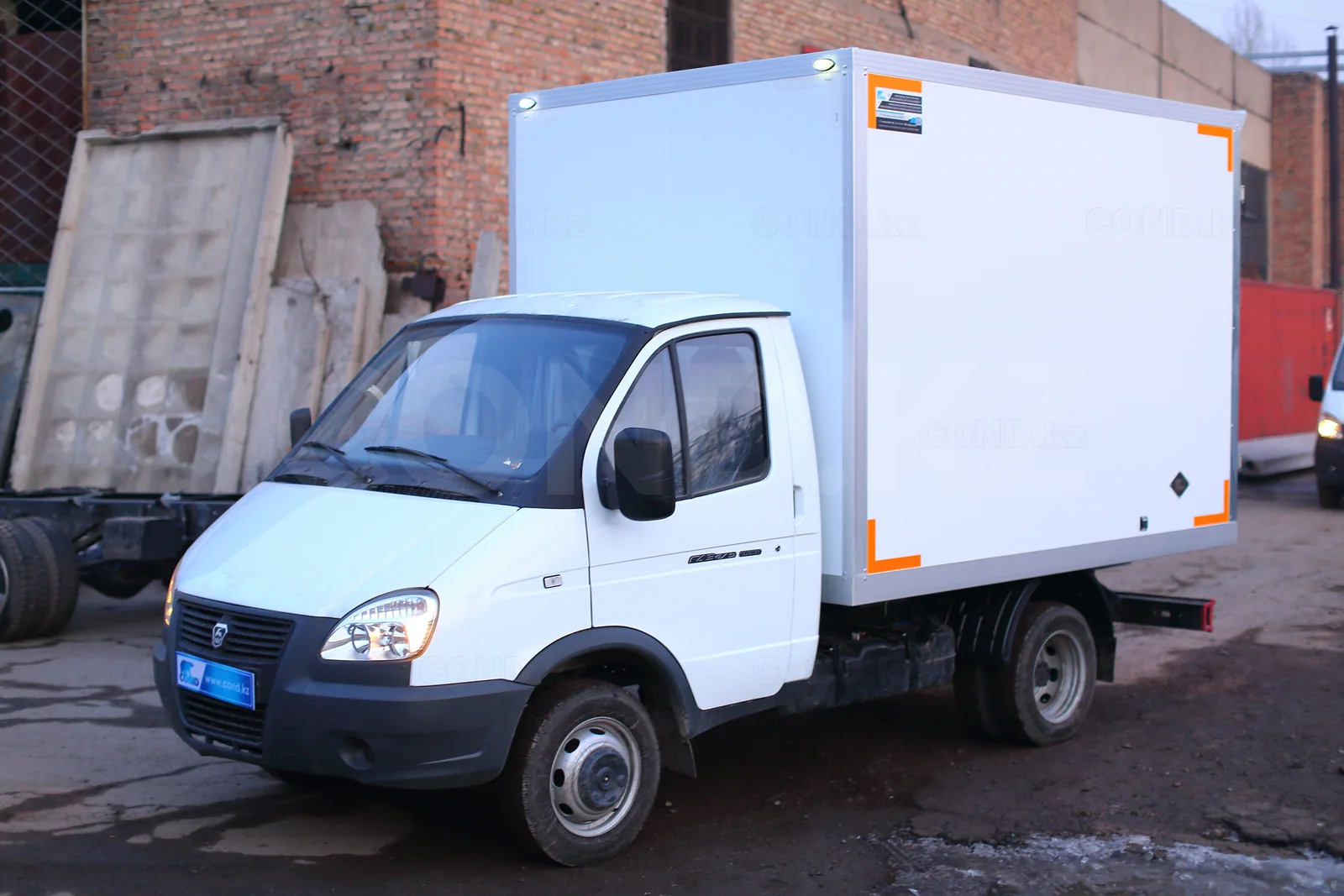
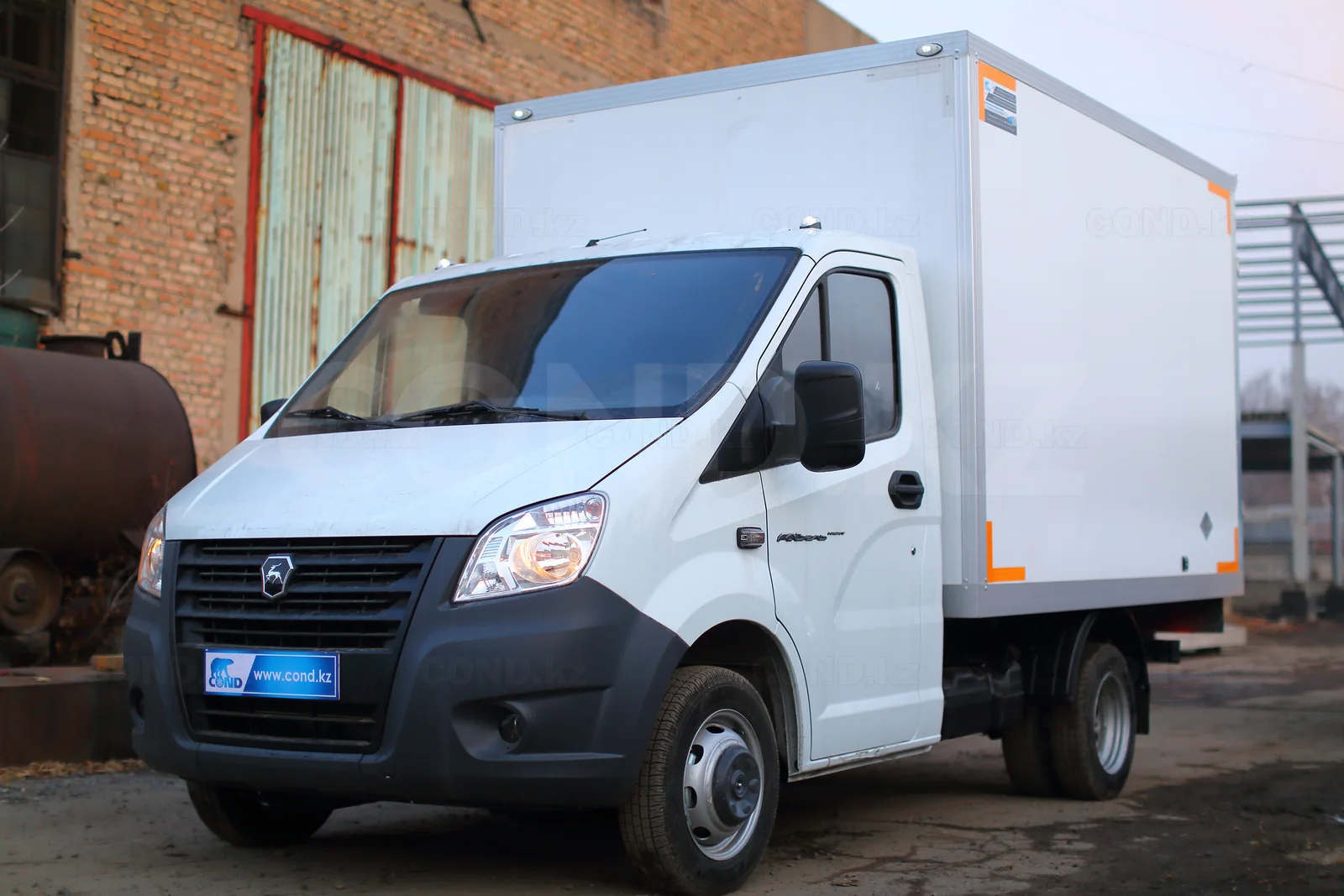
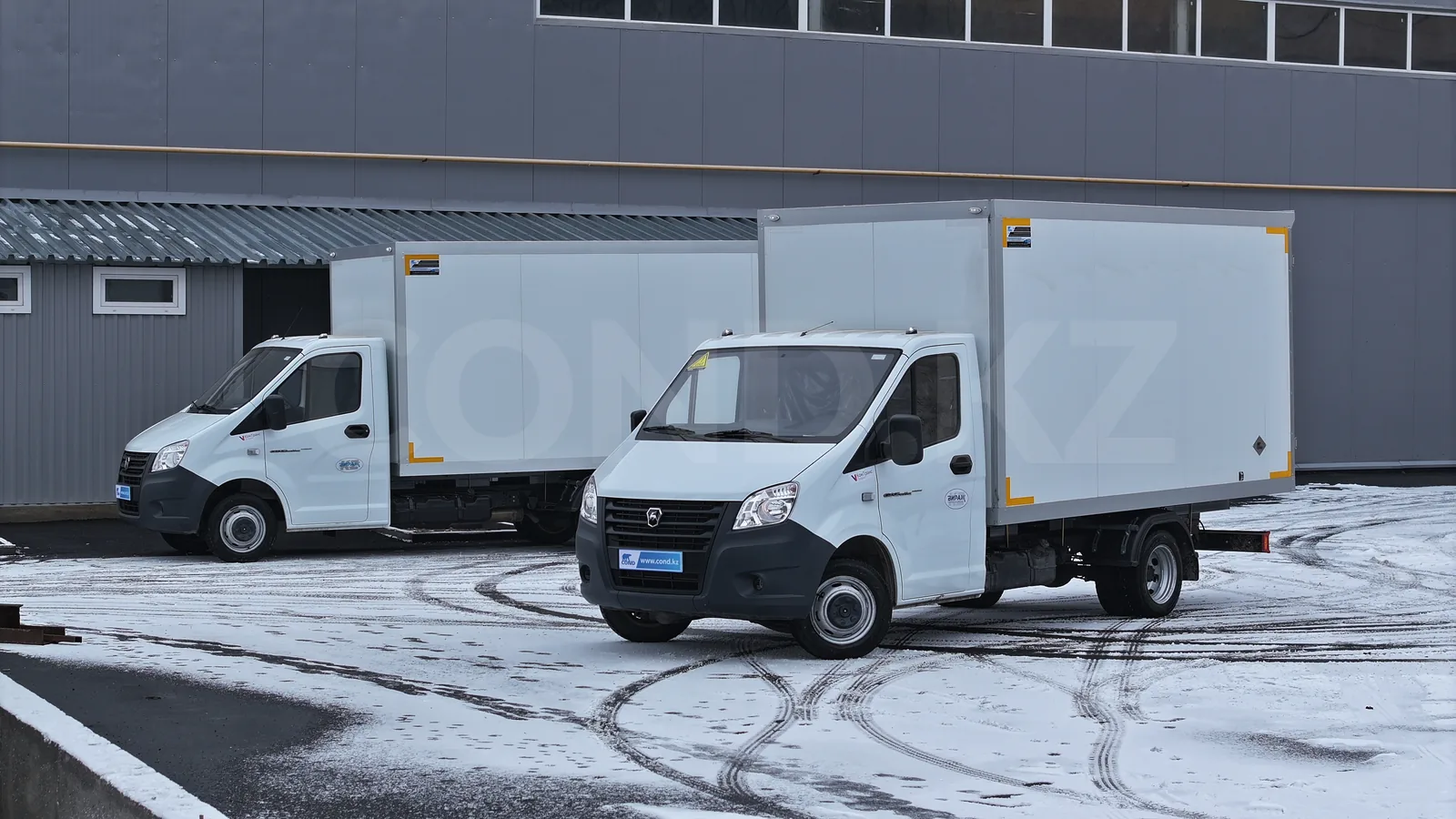
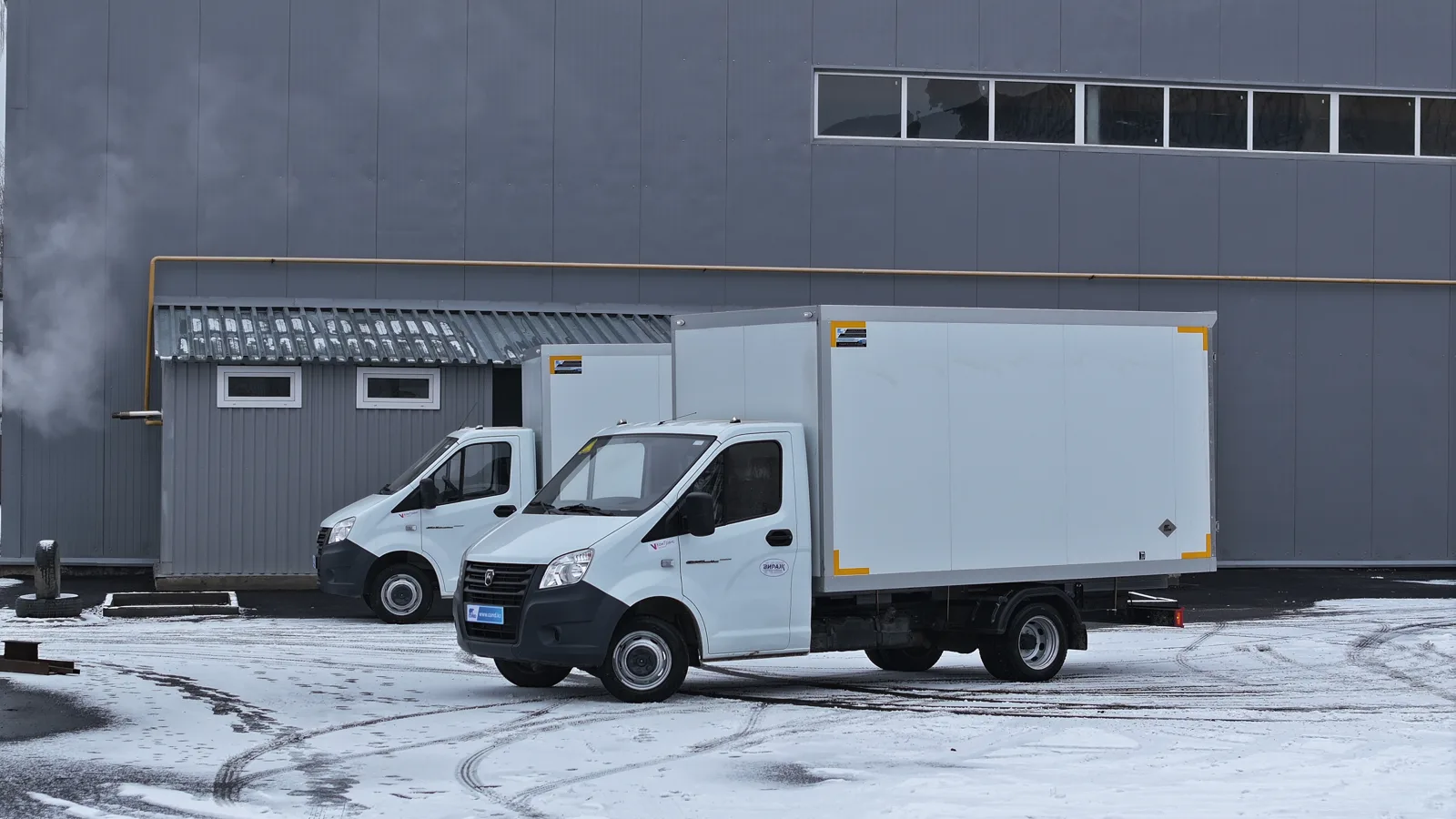
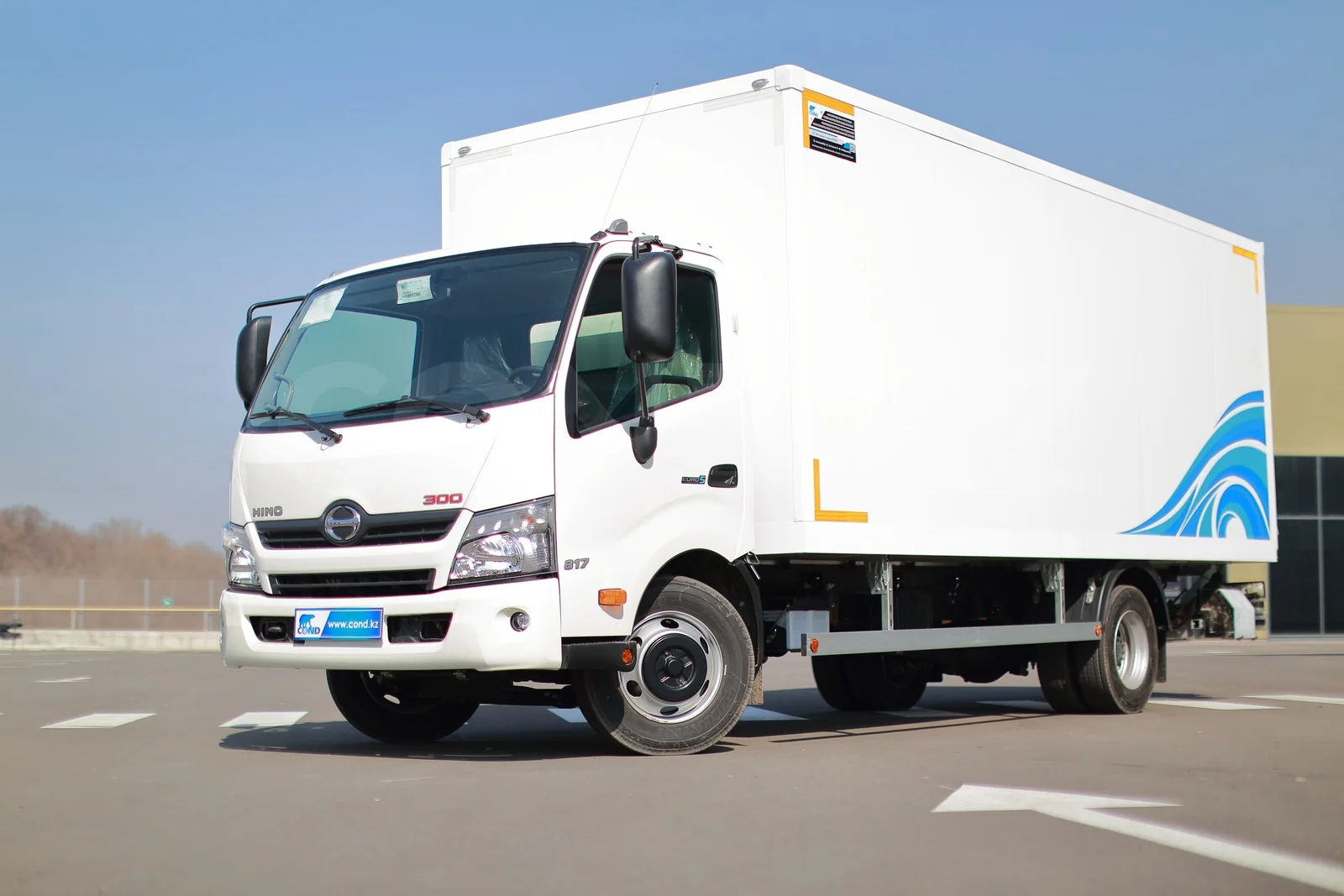
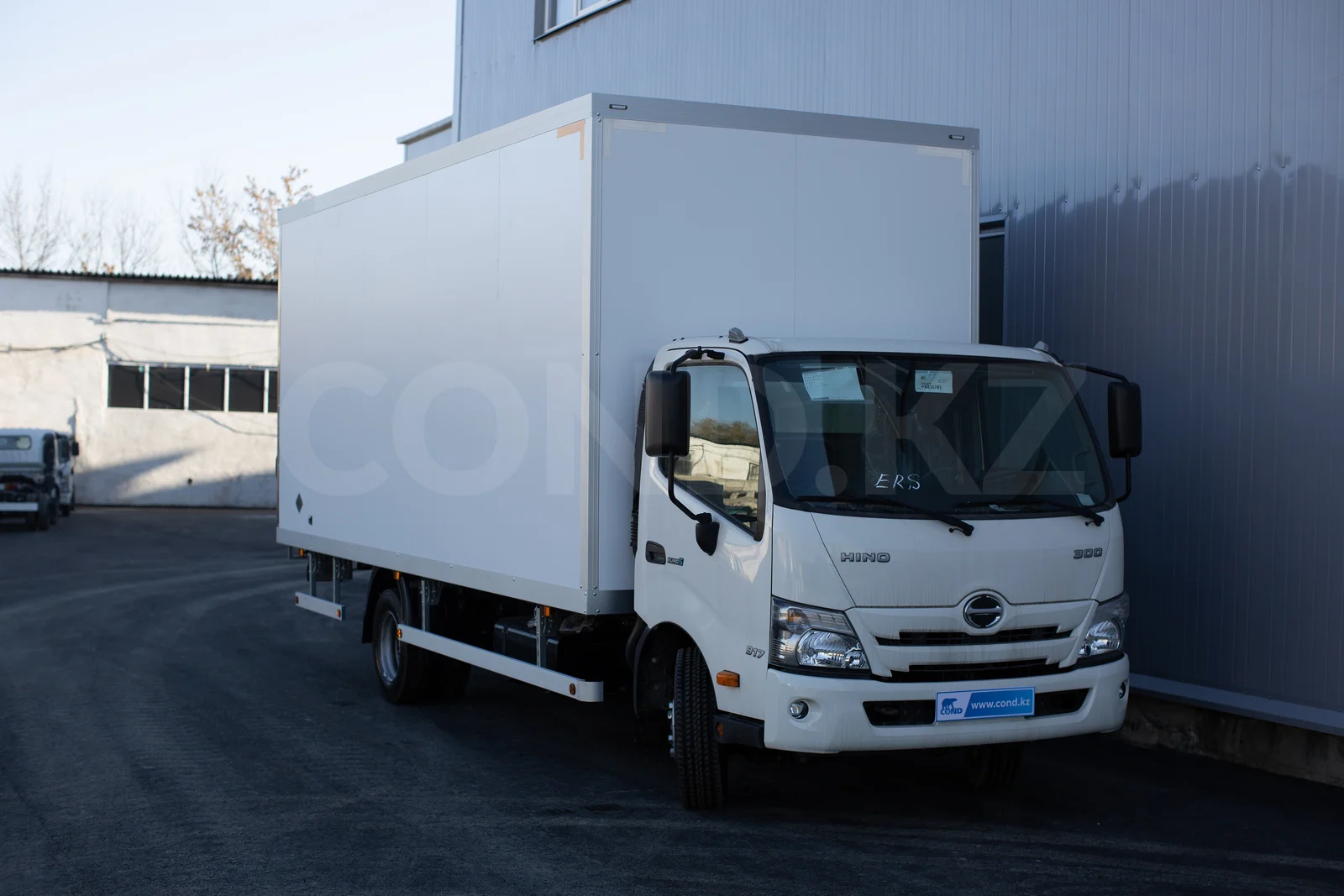
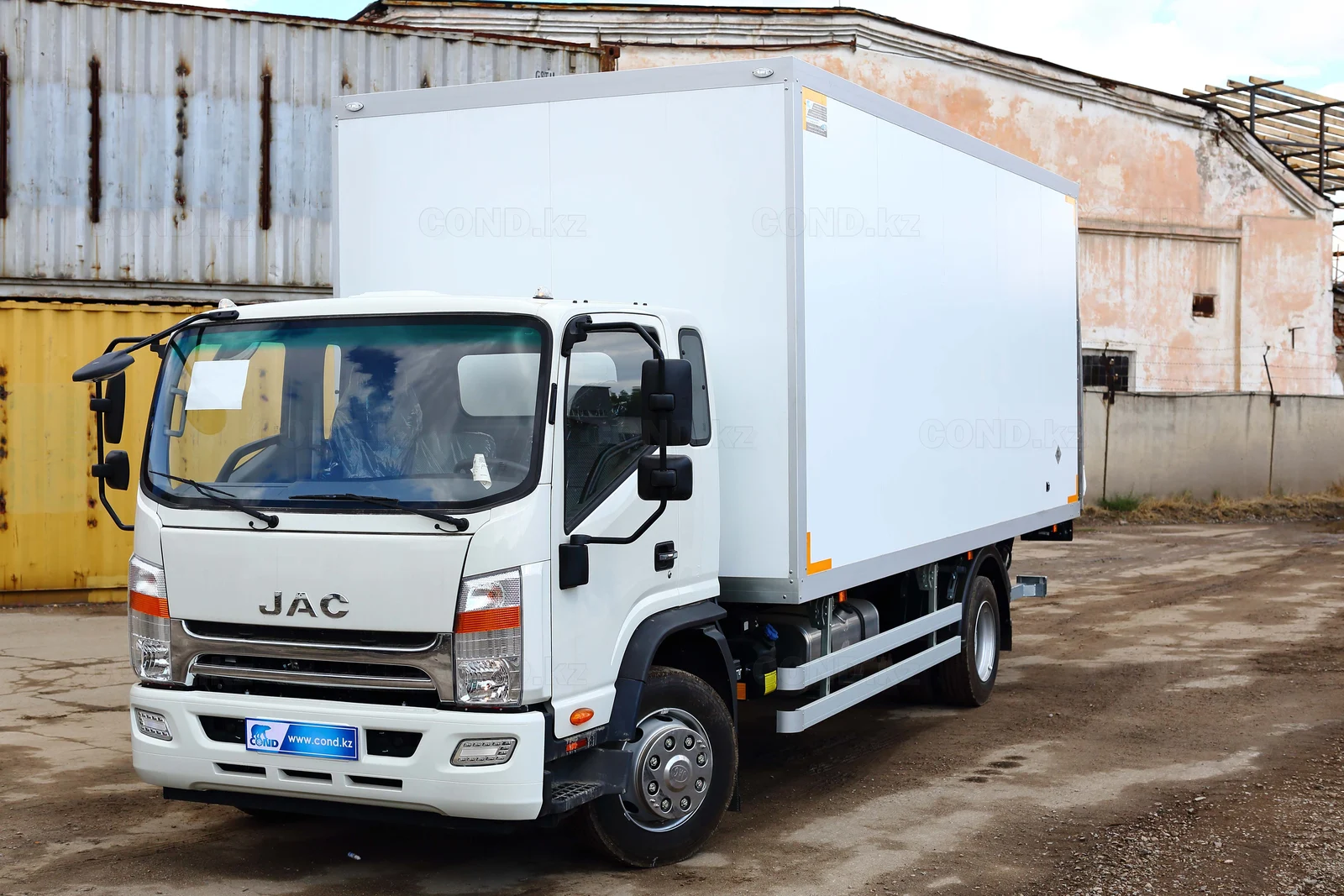
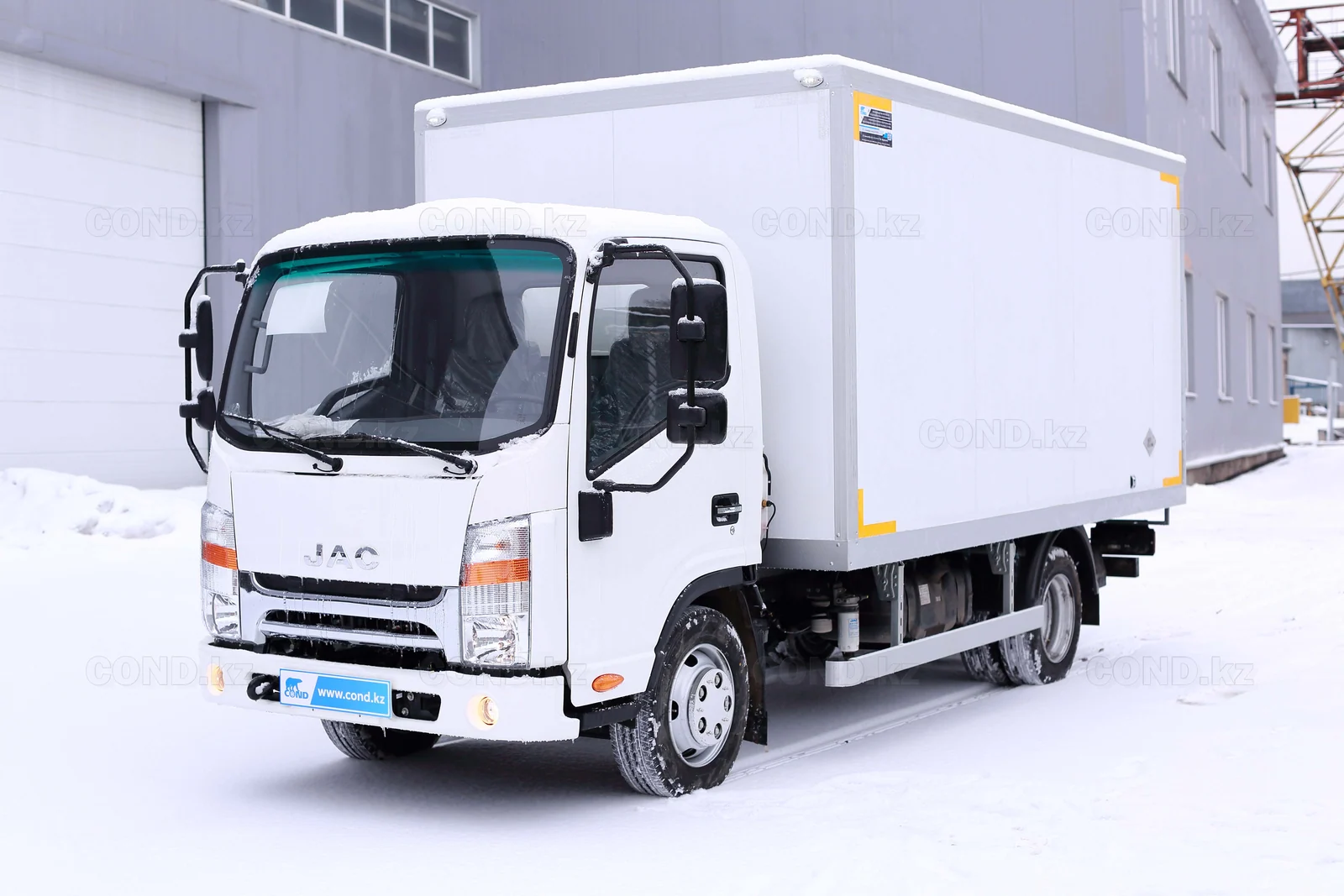
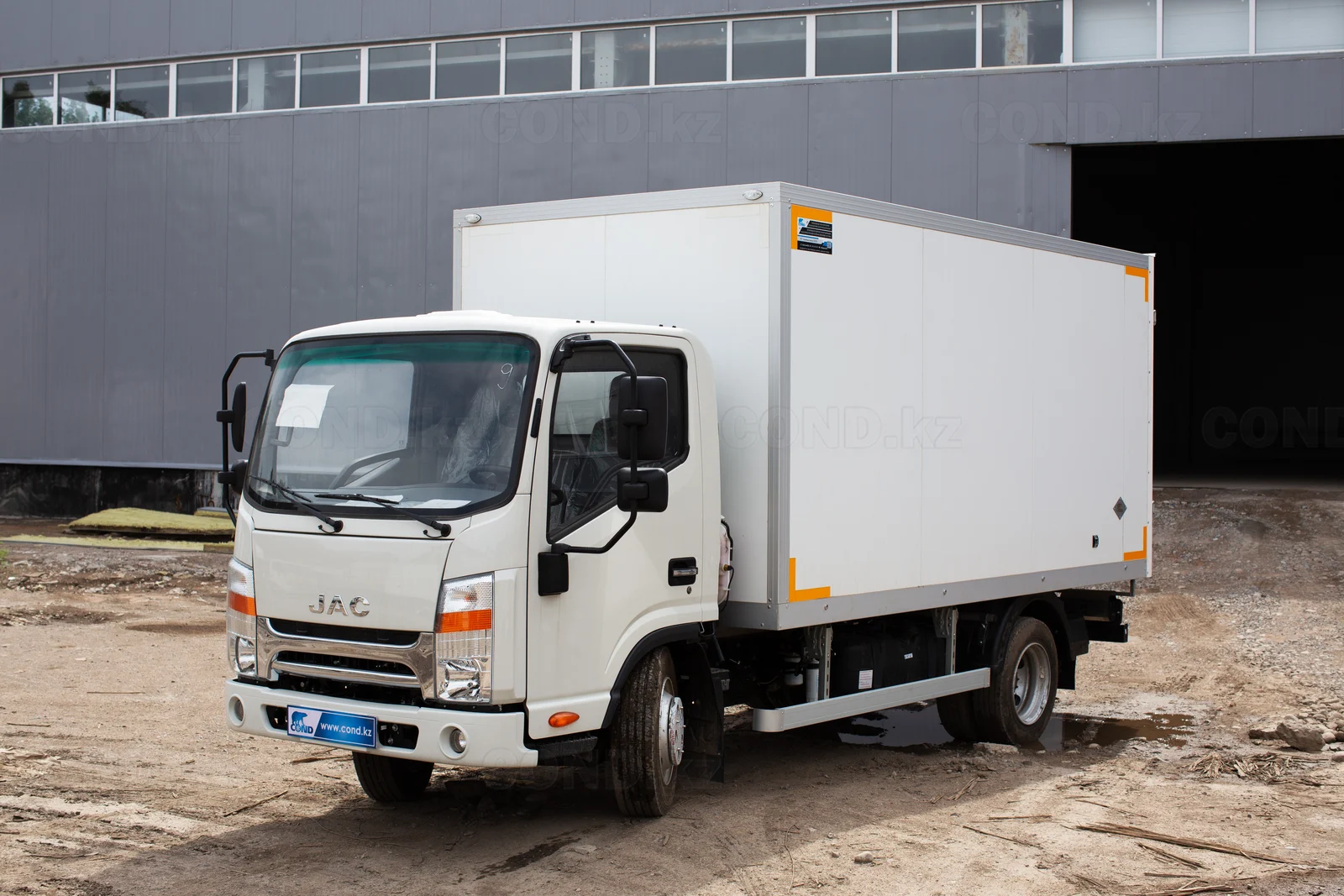
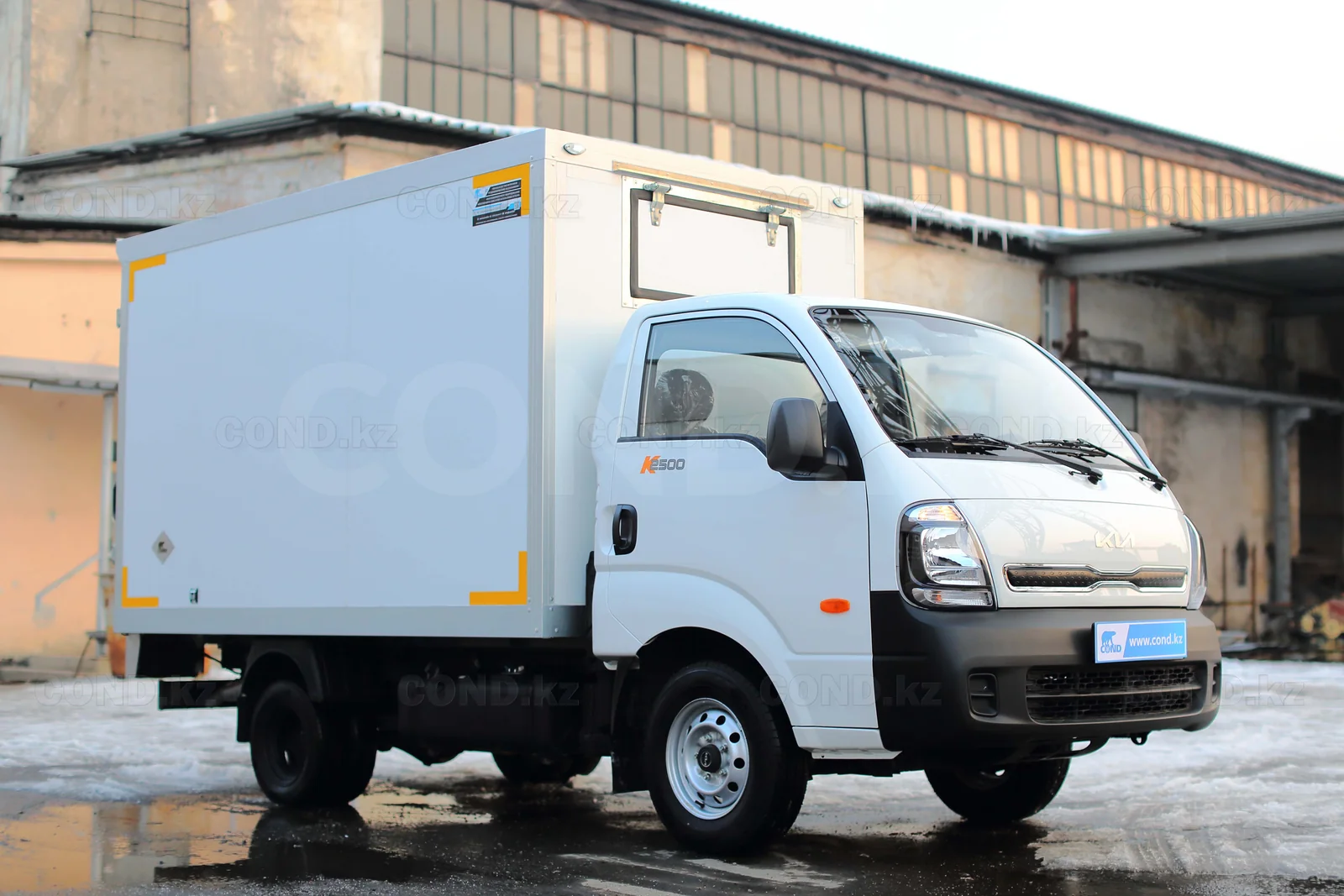
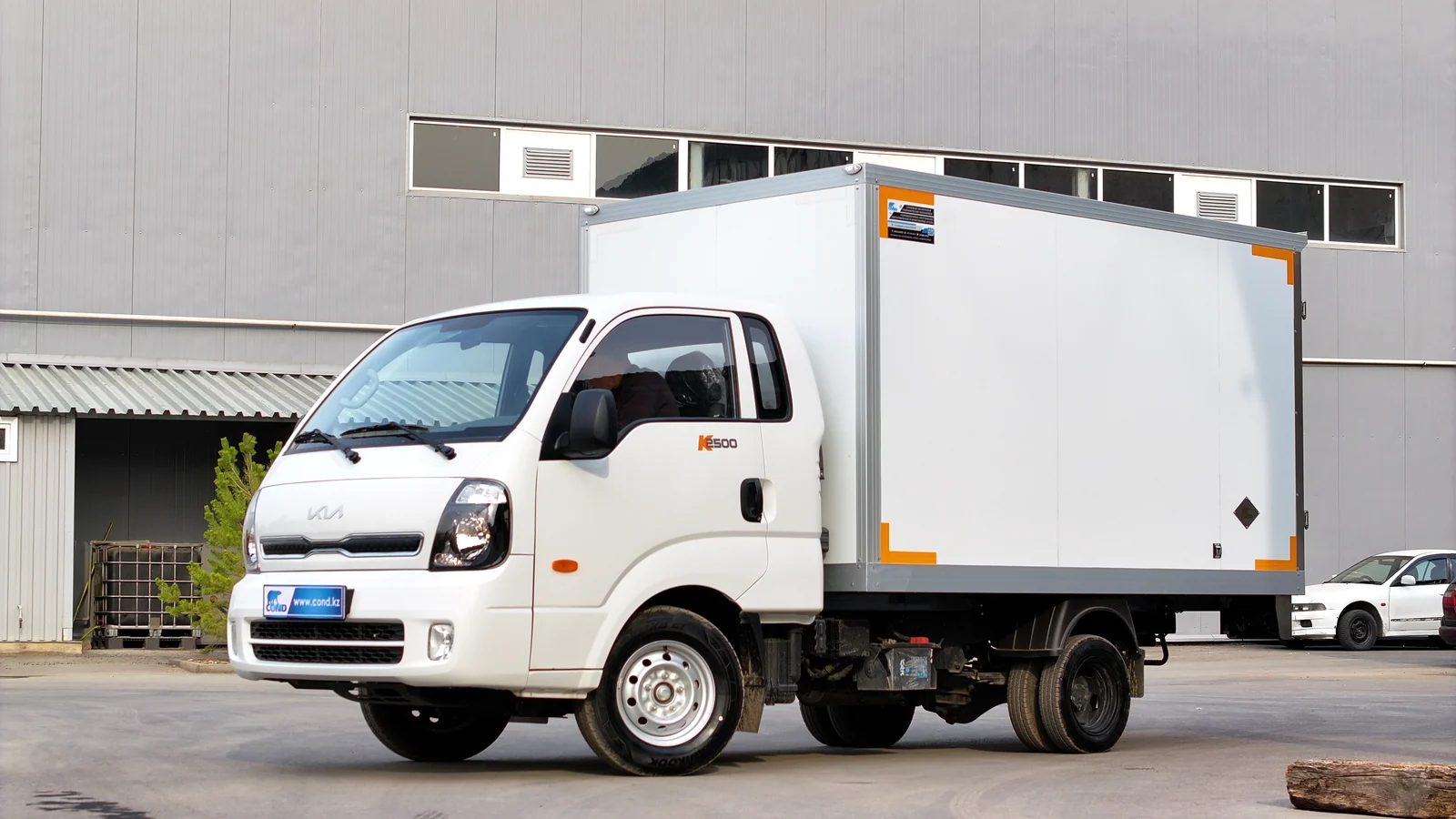
A dry freight box body is an enclosed lightweight body for dry cargo without temperature control: clothing, appliances, furniture, parcels, general goods. The body is frame-built: a steel frame inside the 25 mm sandwich panels, with the frames of all panels tied into a single steel structure — rigidity for the whole van under swaying loads. Clad metal skin, double rear doors, compartment lighting. Lighter and cheaper than an insulated body — more payload. Own workshop in Almaty, 2-year warranty, lead time from 14 days.
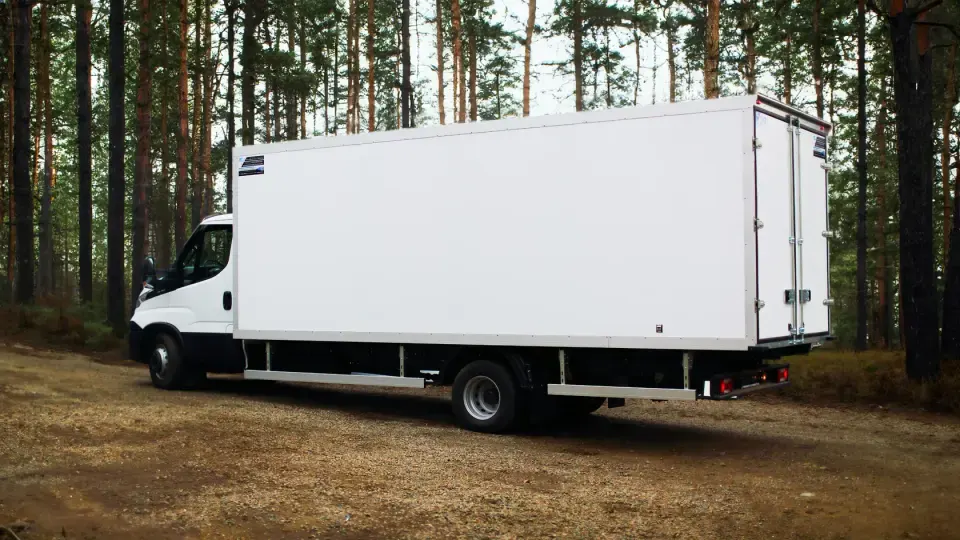
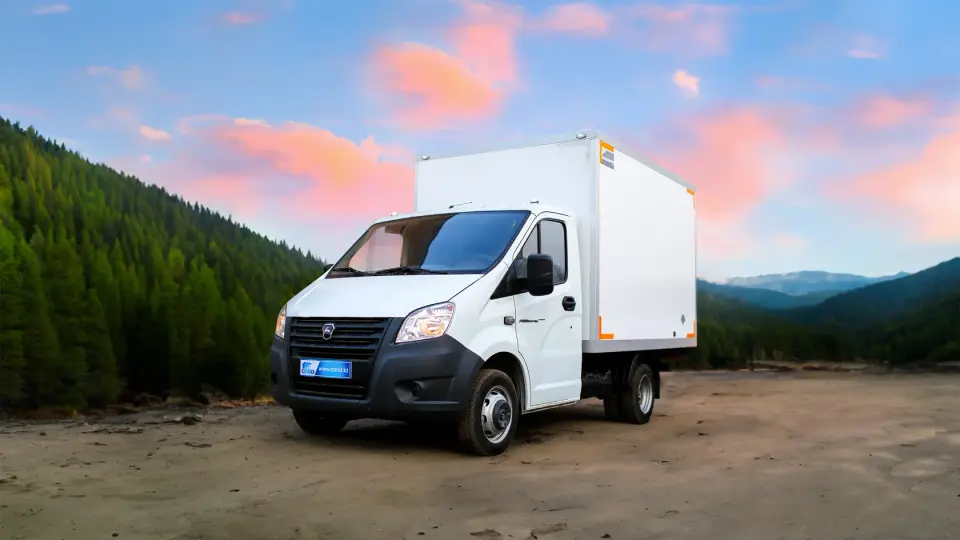
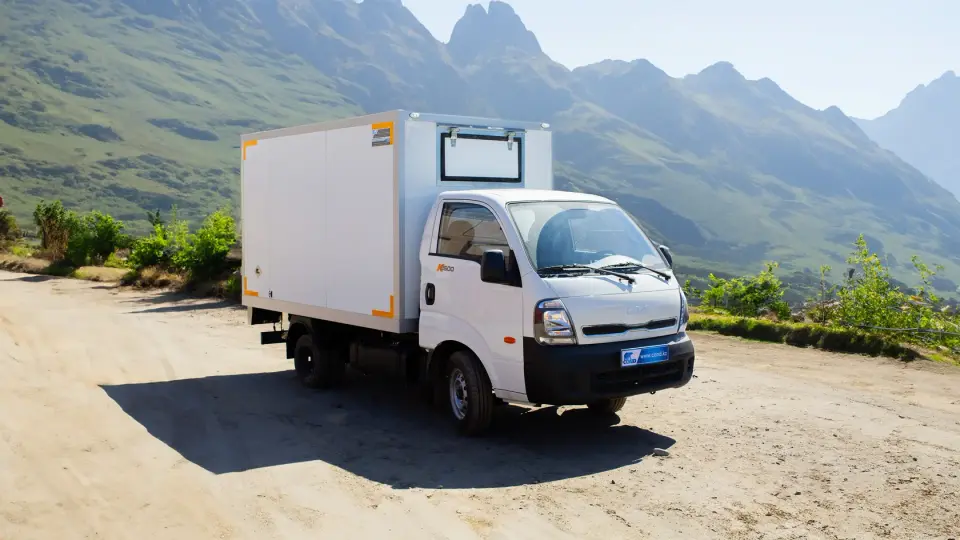
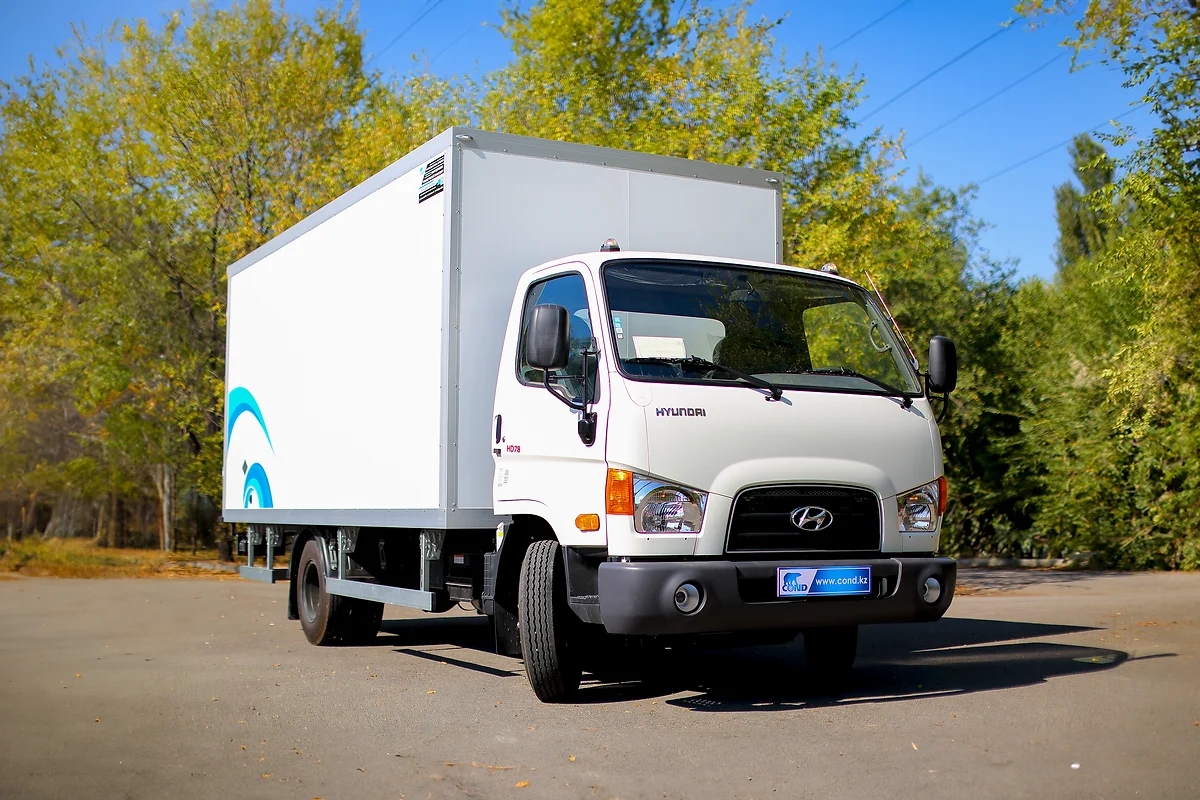
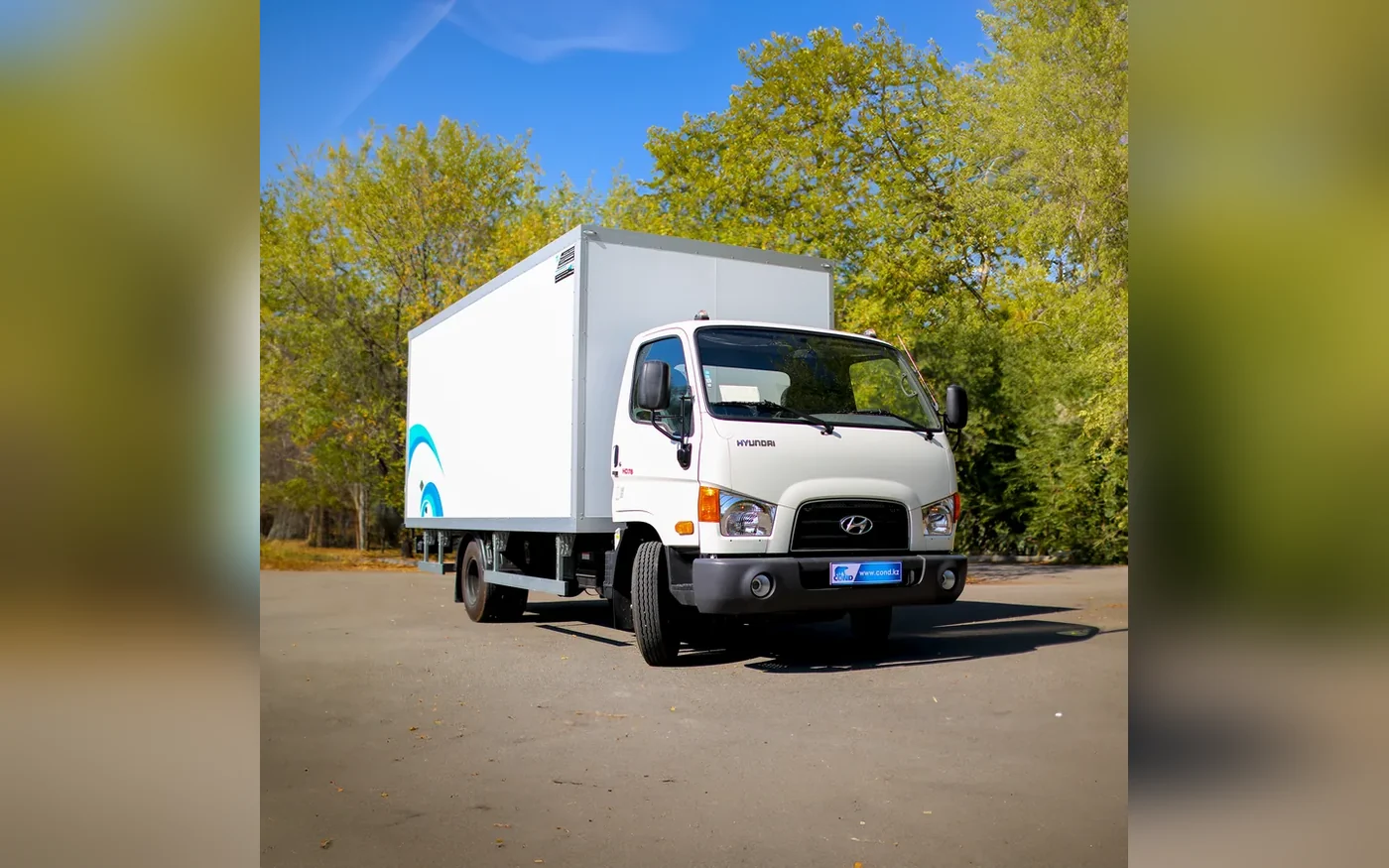
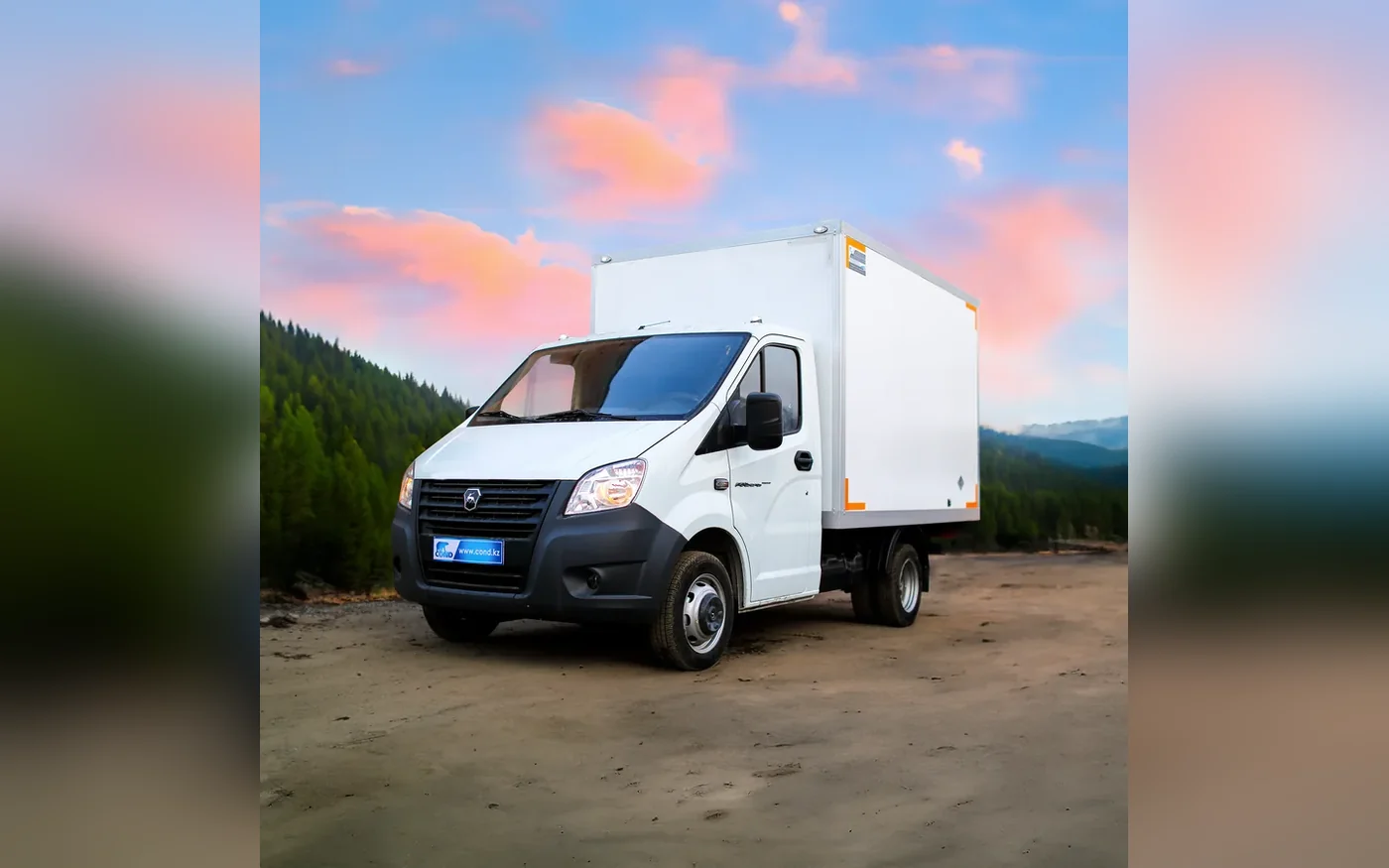
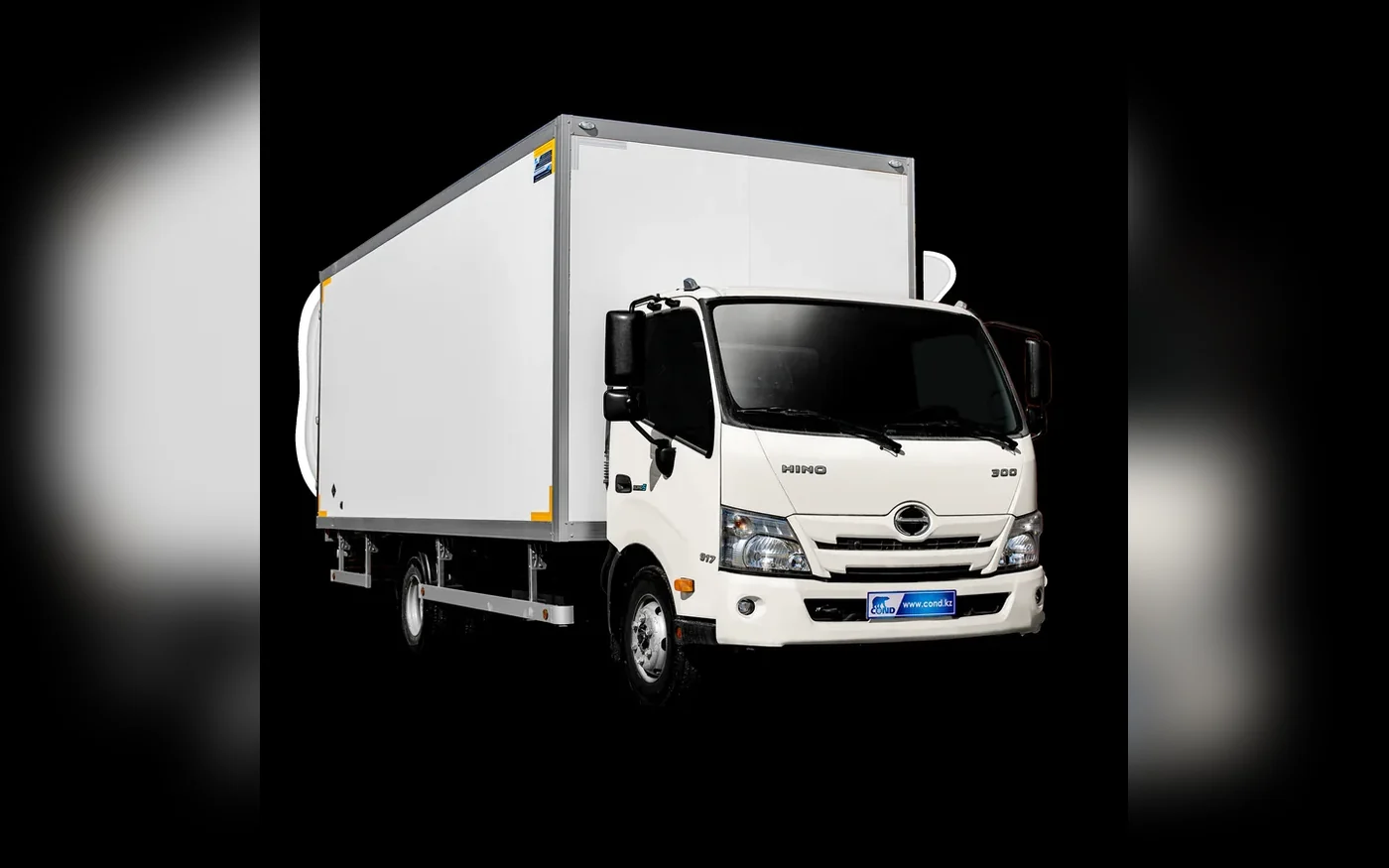
A dry freight van uses a light 25 mm framed panel and does not hold a temperature. An insulated van uses a 50, 80 or 100 mm sandwich panel that slows warming and cooling of the load. The dry body is lighter and cheaper; the insulated body carries food and becomes a refrigerated van with a refrigeration unit.
Quote is based on body, chassis and temperature range.
Every element of the COND dry freight body is a class above the typical build: lightweight clad-metal panel, anodised edging, moisture-resistant floor and a sealed double-door rear frame. Below — element by element: the material, why we build it that way, and what it gives you.
Material: a 25 mm panel with a steel frame inside: clad metal outer skin, polystyrene core, galvanised steel interior lining.
Why: the frame inside each panel gives the body rigidity under swaying on the move, while the light 25 mm panel does not eat into the payload.
Your benefit: a rigid yet light body: it does not flex on rough roads, and it is cheaper and lighter than an insulated one — more payload.
Material: the steel frames of all panels — walls, roof and base — are tied together during body assembly.
Why: the tied frame works as one structure: swaying and torsion loads spread across the whole body instead of tearing individual joints.
Your benefit: the body keeps its geometry for years: doors do not sag and joints do not open up even in intensive use.
Material: all outer edges and panel joints are covered with anodised aluminium profile.
Why: panel edges are the vulnerable spot during loading; the profile protects them from impacts and holds the geometry.
Your benefit: the body does not come apart at the seams and keeps its appearance for its entire service life.
Material: double hinged rear doors with rubber seals; the rear frame is reinforced.
Why: the main loading doorway must open to 270° and close tight against dust and precipitation.
Your benefit: wide access for pallets and bulky cargo, with the compartment protected from dust and rain.
Material: moisture-resistant plywood floor deck, galvanised steel wall lining.
Why: the floor and walls take cargo impacts and moisture; galvanised steel and laminated plywood do not rot and are easy to wash.
Your benefit: the compartment keeps its look, cargo stays clean and the floor takes pallet loads.
Material: a light in the cargo compartment, white front and red rear marker lights, and a pull-out access step.
Why: loading happens in the dark too; the step is needed for a tall body on a medium-duty chassis.
Your benefit: convenient, safe loading at any time, and the vehicle is visible on the road.
Material: a reinforced steel subframe with mounting inserts and one-piece moulded plastic fender covers.
Why: the subframe spreads the weight onto the frame and absorbs impacts; the fenders do not rust or dent from stones.
Your benefit: the body does not shift on the frame, fasteners hold, and the fenders keep their look.
Options for your logistics — from a side door to shelving and cargo securing. We agree the set when you order.
Single or double door in the side wall — fast multi-drop unloading without opening the rear doors.
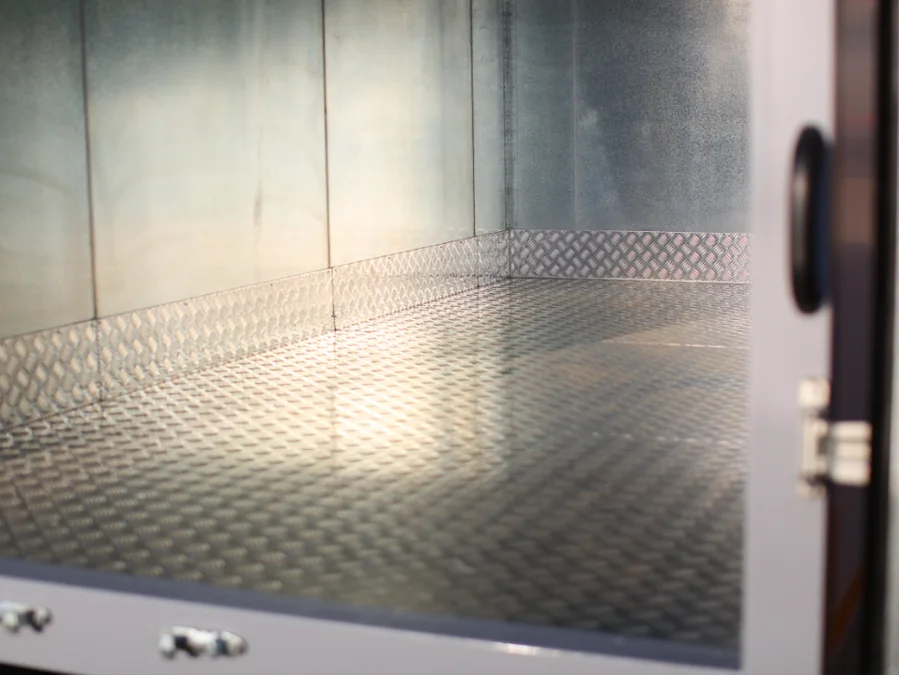
Chequered aluminium instead of plywood: absorbs no moisture, does not rot, is easy to wash and lasts longer.
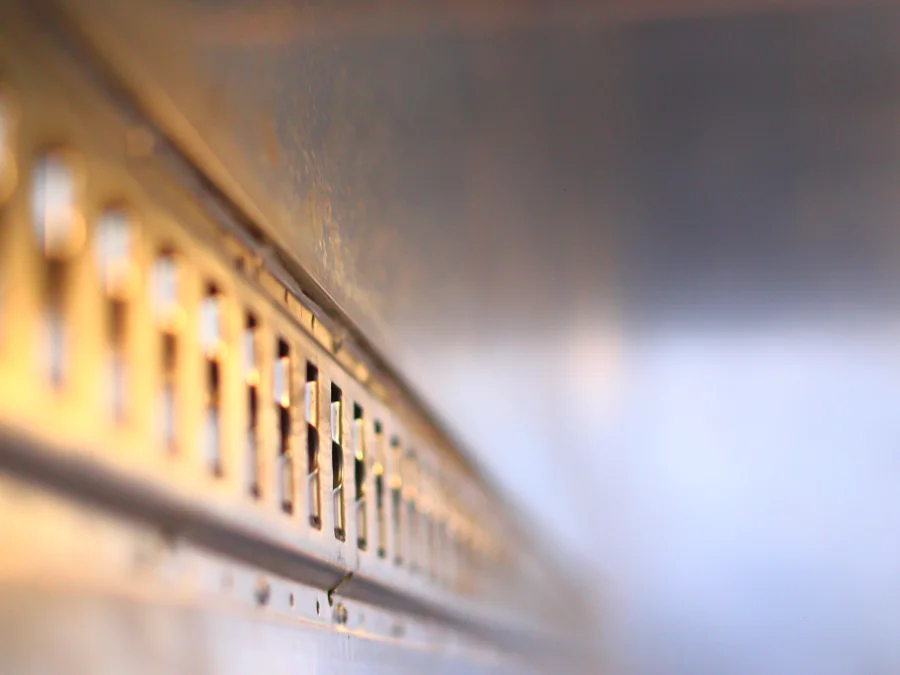
Perforated track on the walls — secure cargo with straps and partitions at any height.
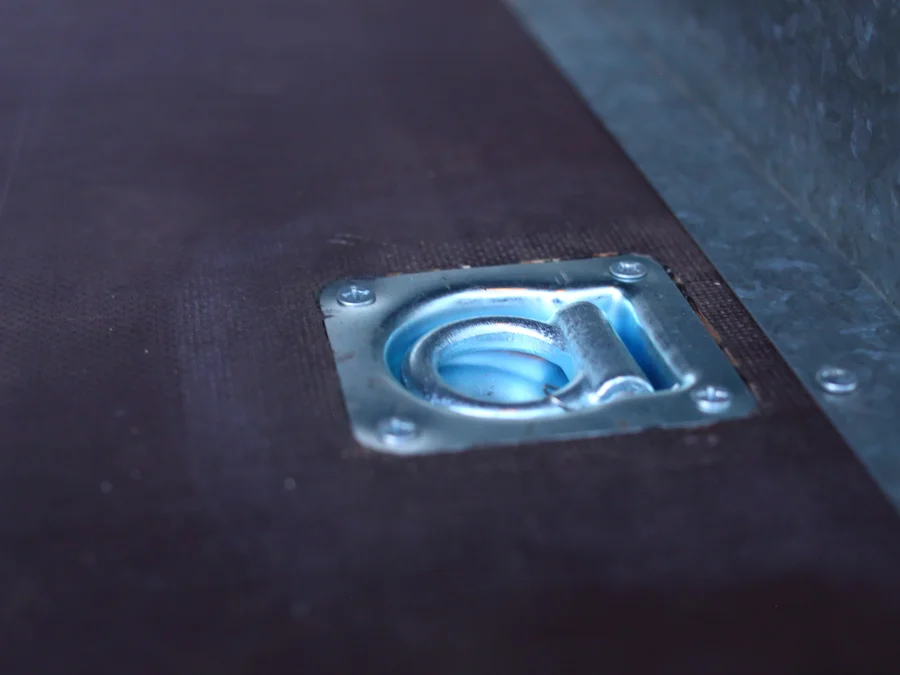
Recessed floor rings for lashing straps — cargo does not shift in turns.
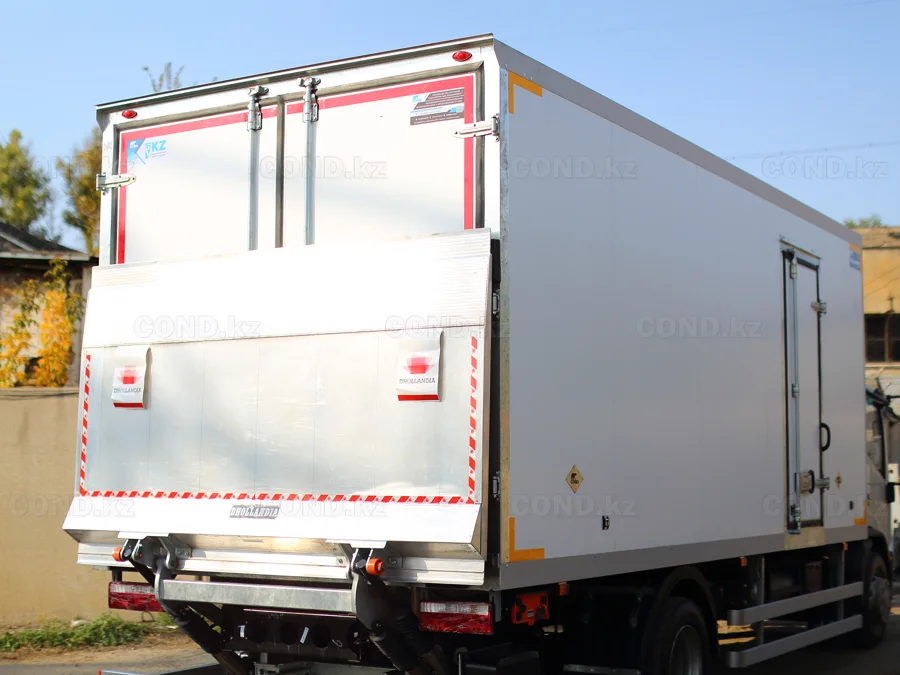
Hydraulic tail lift — loading heavy pallets without a ramp or forklift.
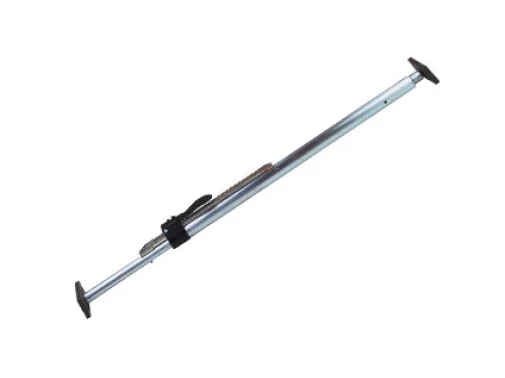
Telescopic bars braced between the walls — divide the body and keep cargo from sliding.
The dry freight body is a light 25 mm panel for dry cargo without temperature control. Clad metal skin, anodised aluminium edging, double rear doors. Exact parameters below.
| Parameter | Value |
|---|---|
| Body size | to suit the chassis |
| Design | frame-built — the panel steel frames are tied into a single structure |
| Body wall thickness | 25 mm |
| Core material | polystyrene |
| Outer skin | clad metal |
| Body edging | anodised aluminium profile |
| Doors | double doorway at the rear of the body |
| Door seals | rubber |
| Compartment access | pull-out step |
| Compartment lighting | interior light |
| Marker lights | white front, red rear |
| Interior lining material | galvanised steel |
| “Furniture van” version | plywood lining instead of galvanised steel — does not scratch furniture in transit; body 5,200 × 2,200 × 2,200 mm, 25 mm panel |
| Floor material | moisture-resistant plywood |
| Fenders | one-piece moulded plastic covers |
| Production time | from 14 working days |
| Warranty | 2 years with scheduled servicing |
Own workshop since 2001, in-house design office, a light body for the sake of payload, a strength margin for intensive work and lead times from 14 days.
We make the panels and assemble the body in our own workshop in Almaty. Over 2,000 bodies built.
The steel frame inside the panels is tied into a single structure — the body keeps its geometry on the move and under overload.
A typical body takes from 14 working days, with the date fixed in the contract.
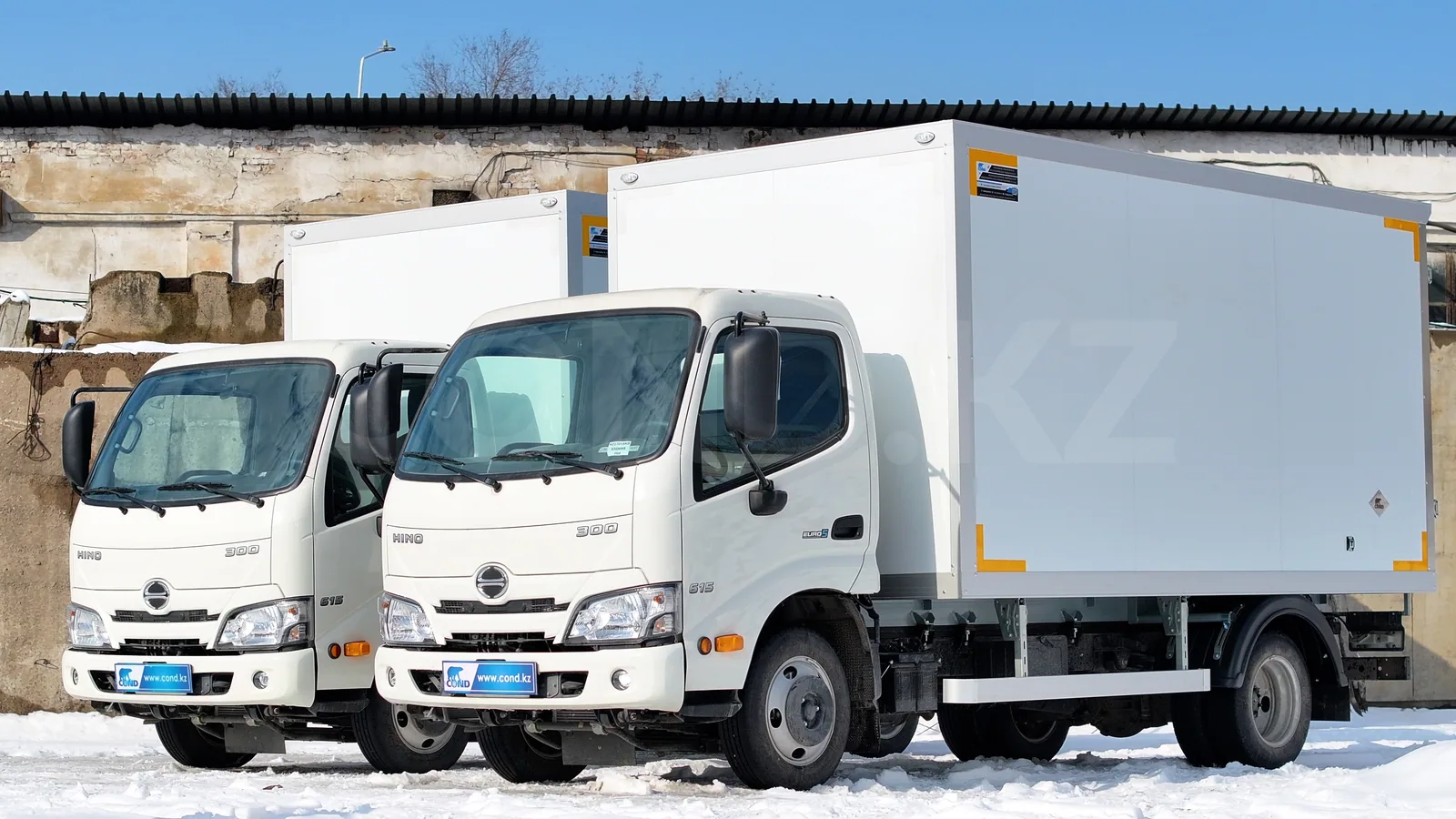
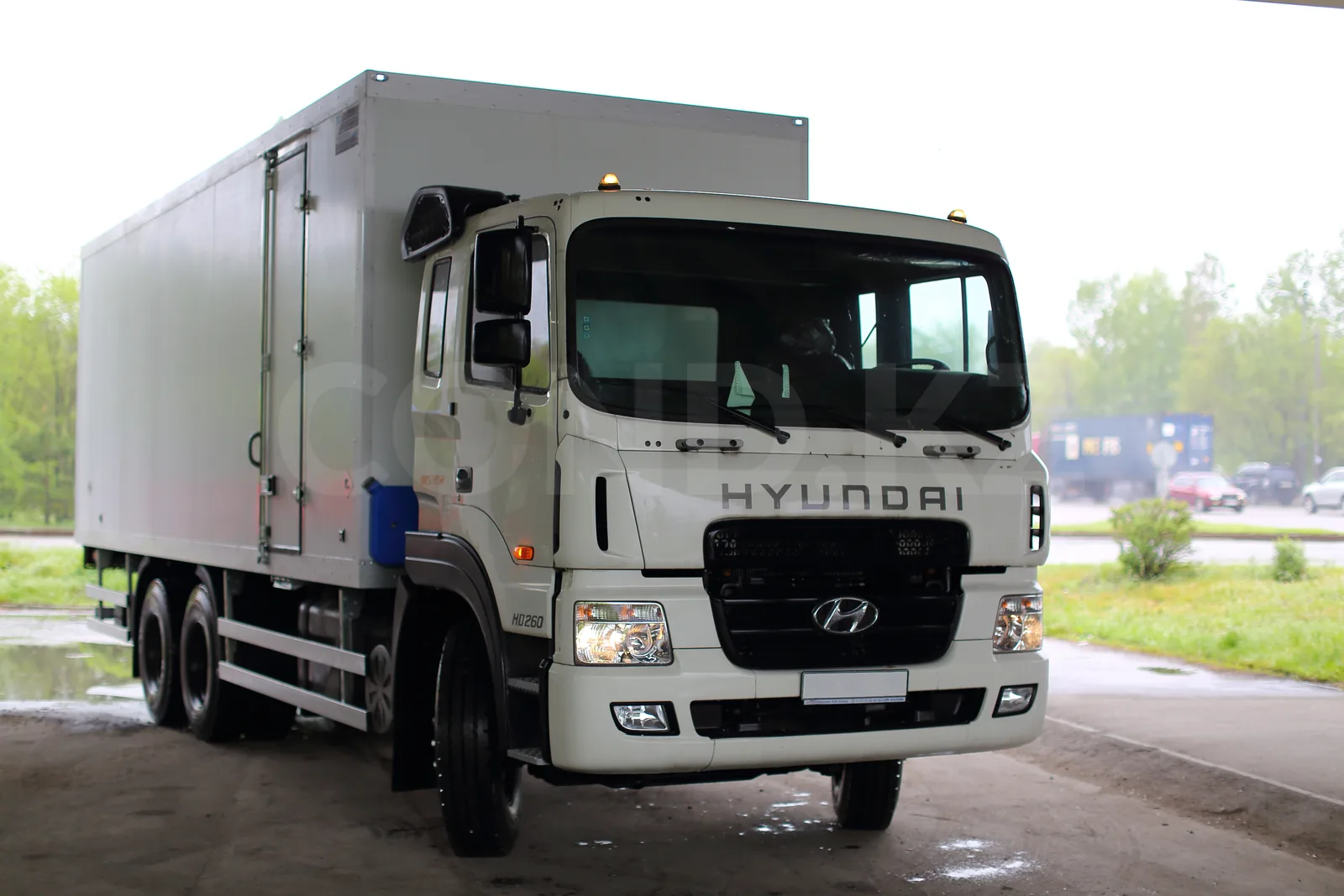
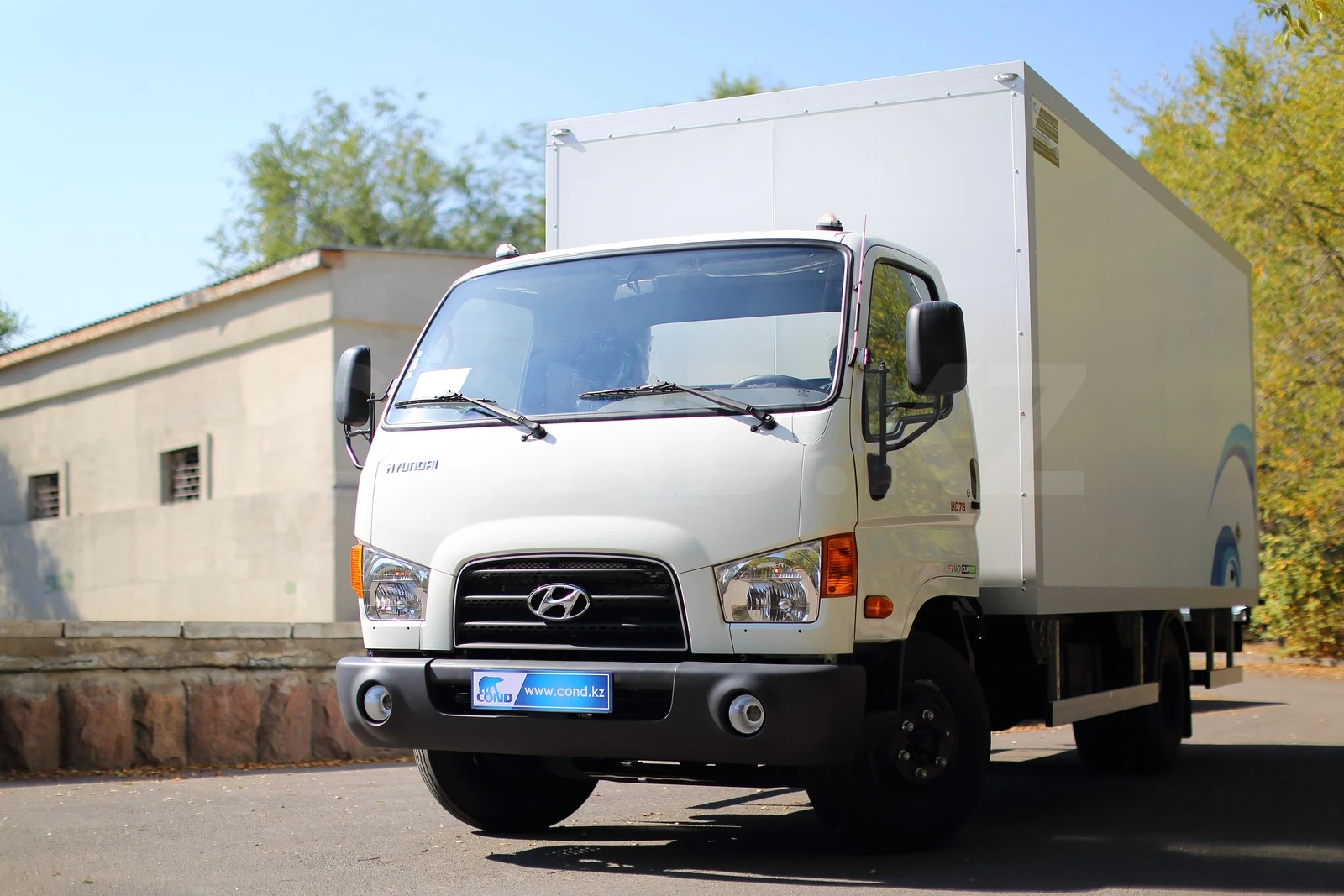
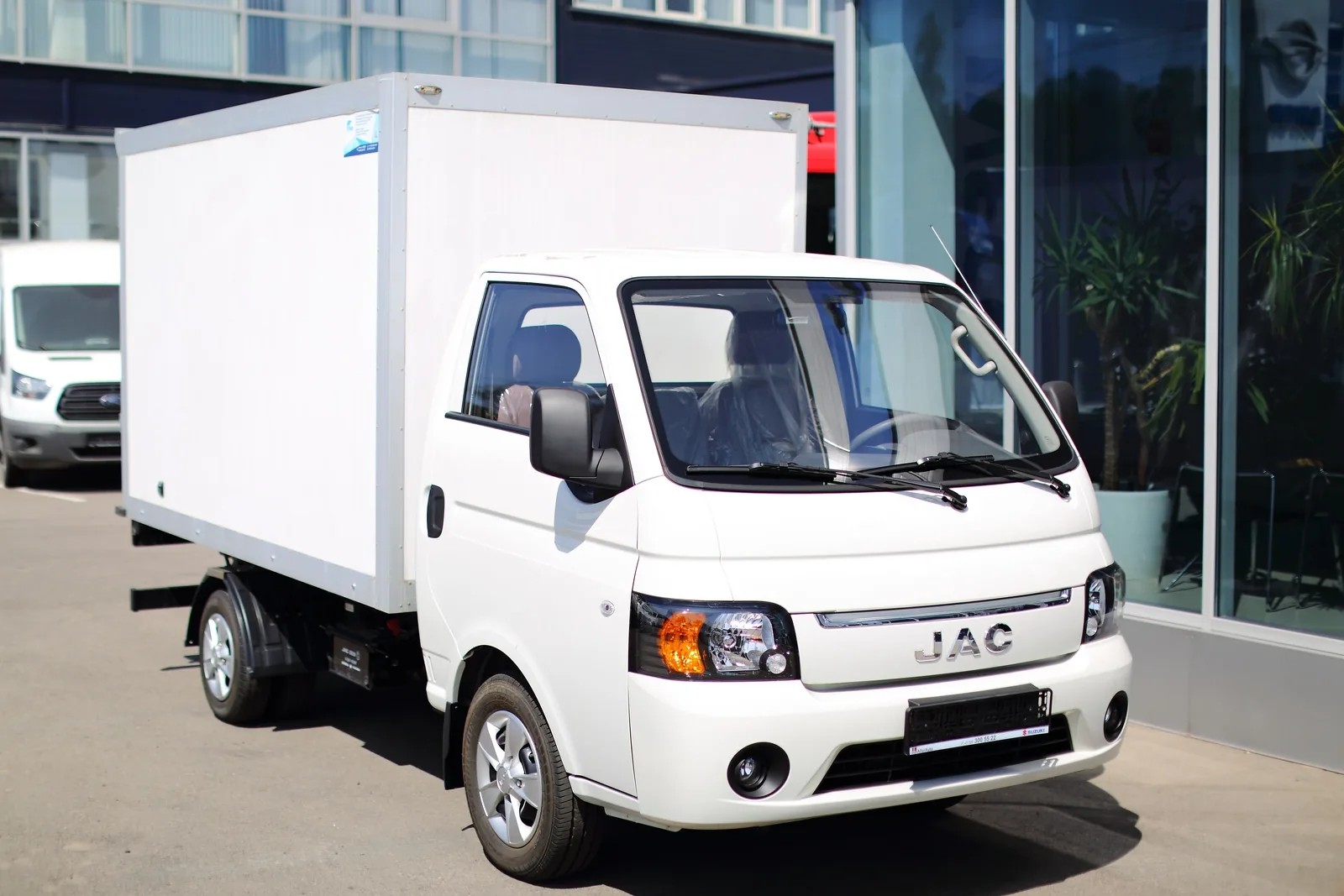
FAW, Kia, Hyundai, GAZelle/GAZon, JAC, Isuzu, Hino, KamAZ — preserving the factory chassis warranty.
We build for the workload of large fleets — reinforcing the spots that suffer most during loading and daily use.
Good equipment makes the job more attractive: drivers join more willingly and stay longer — less staff turnover.
We engineer the body for your chassis and cargo instead of forcing a standard template.
A dry freight box body is for general-purpose dry cargo that needs no temperature control: clothing, footwear, appliances, furniture, parcels, general goods. The body protects from dust, rain and prying eyes but does not maintain a temperature.
All the types explained: Types of van body — what bodies there are and how to choose
Local lead times:Dry-freight vans in Almaty
Dry-freight vans on various chassis — real projects from the COND plant.
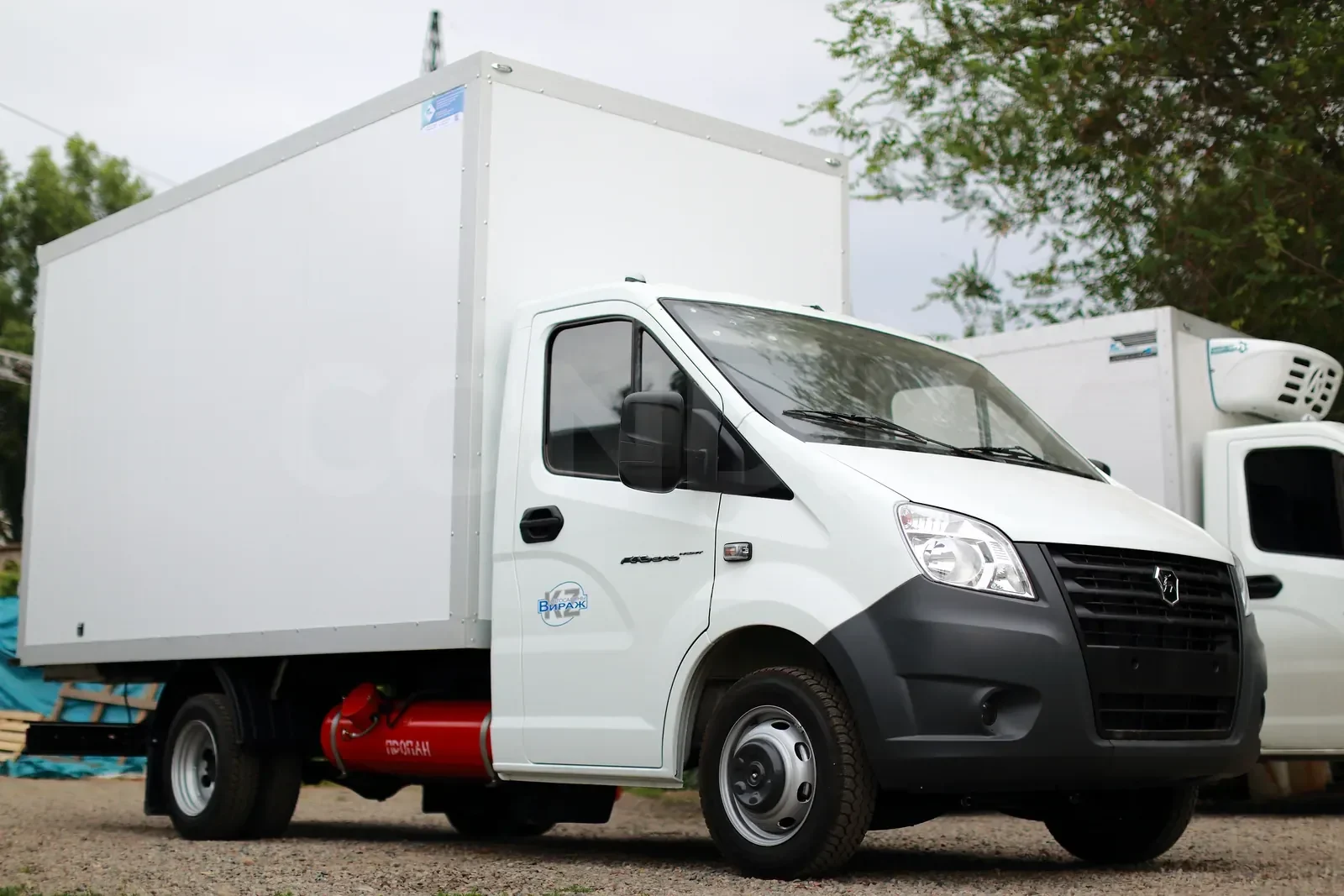 ⚪ Completed
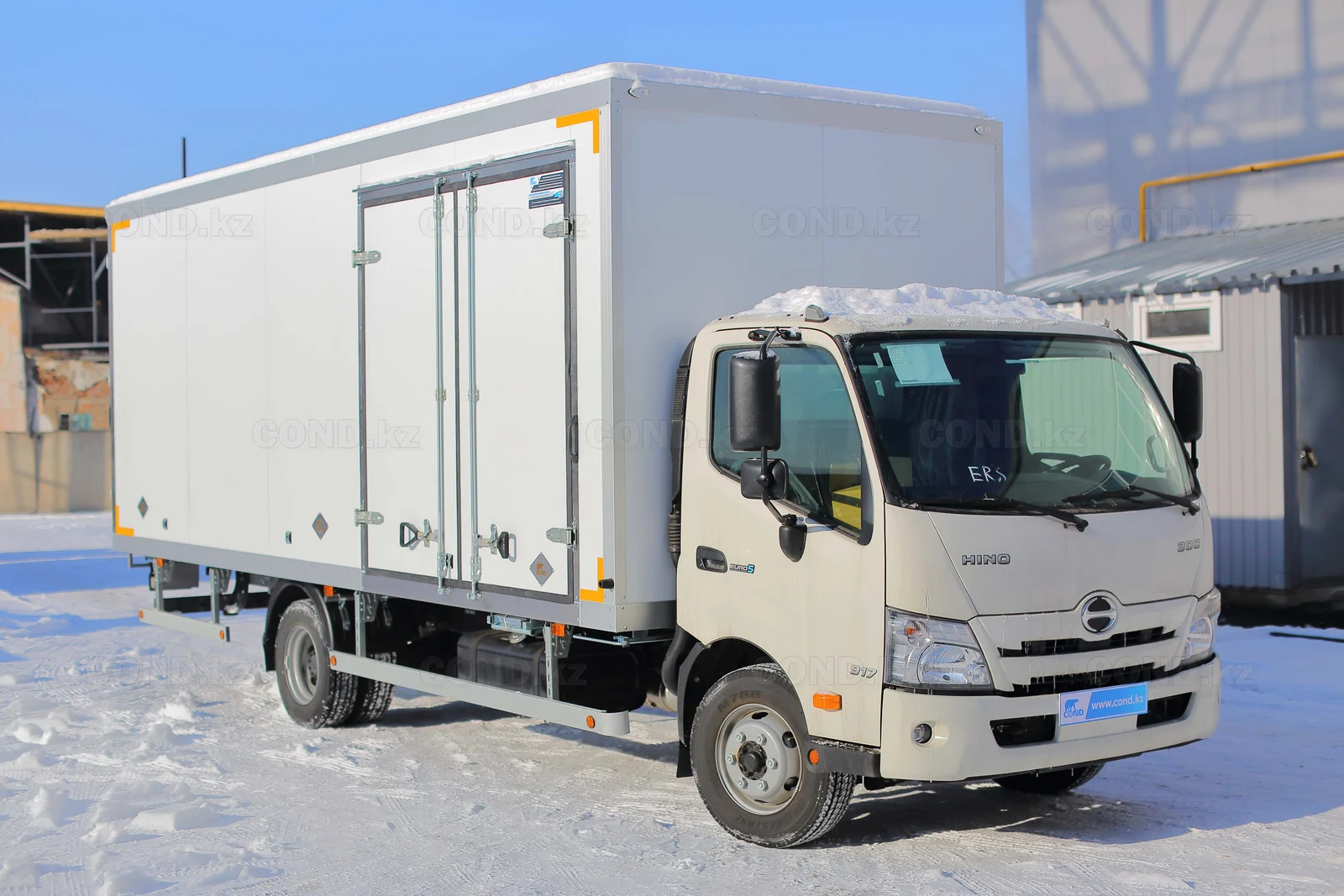 ⚪ Completed
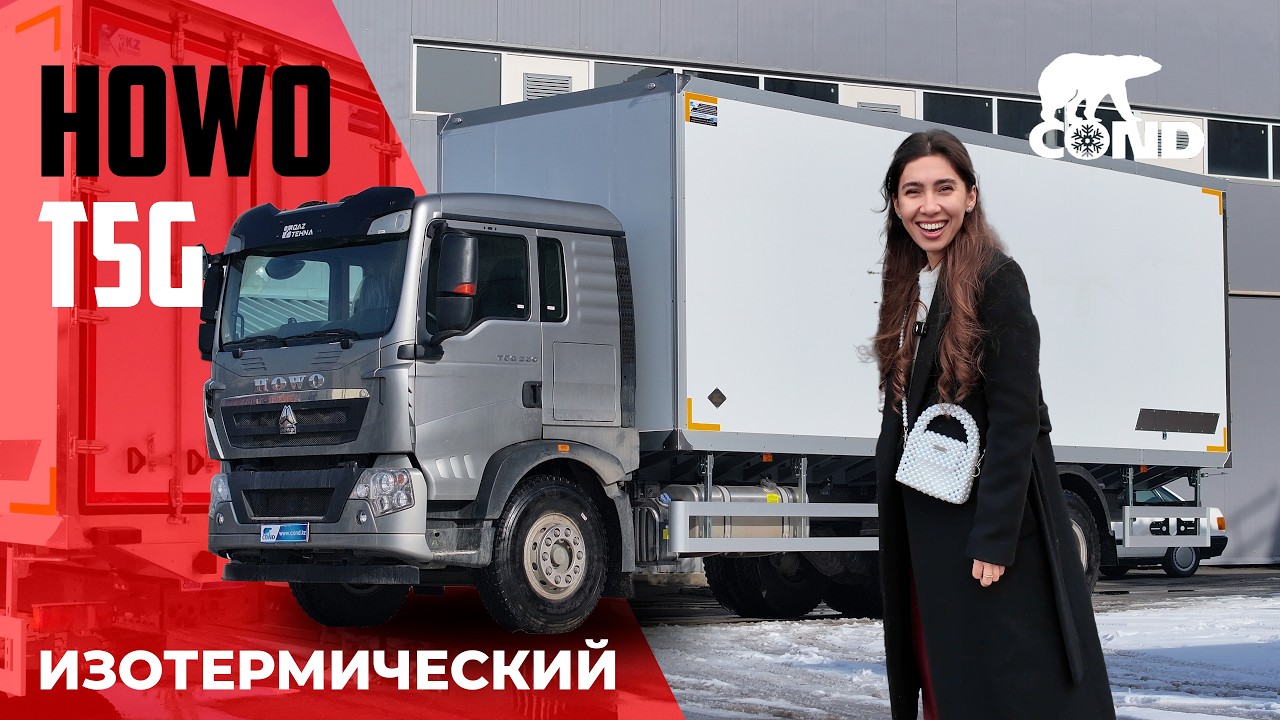
Videos from our production — COND bodies on different chassis.


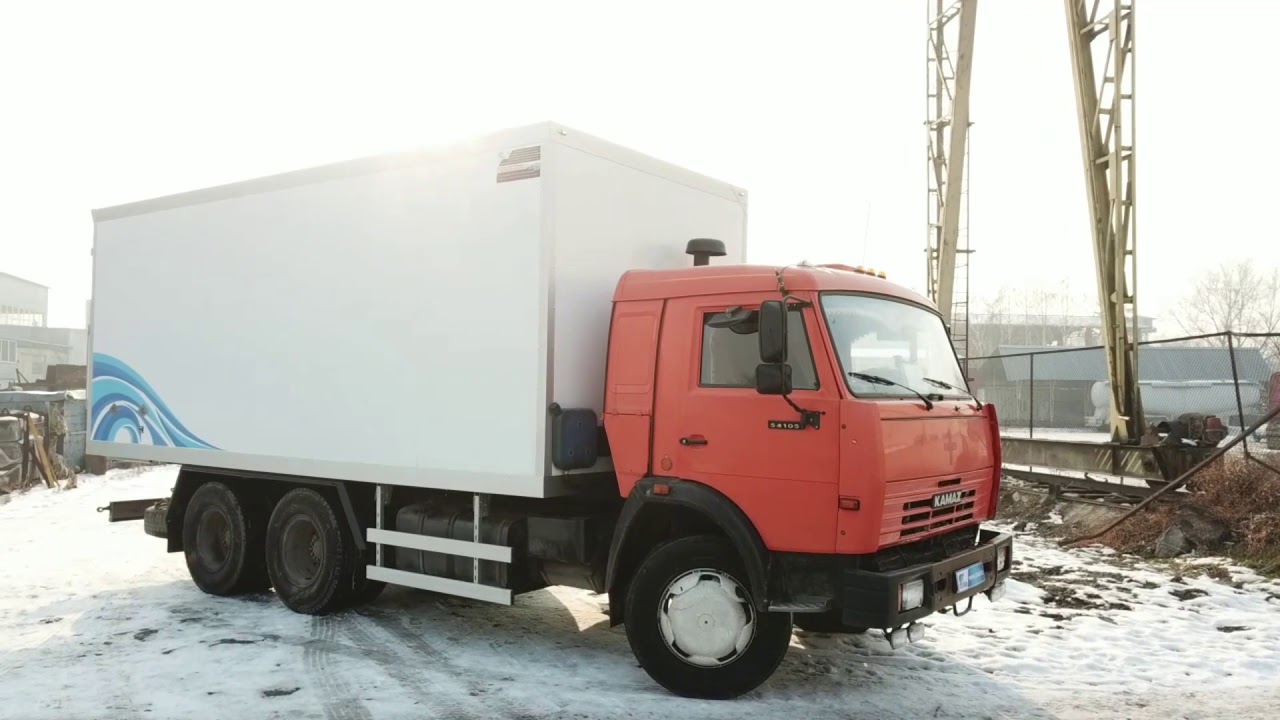

Leave your company name, your name and phone number — a manager will price the body for your chassis and trim and get back to you within a day.
From request to handover of the finished body — 5 transparent steps with deadlines. A typical body is delivered 2–3 weeks after the contract is signed.
You leave your contacts, chassis details and cargo type.
same dayWe price the job and measure the chassis if needed.
1–2 daysWe fix the specification, price, deadline and prepayment.
1 dayWe build the body and mount it on the chassis in our own workshop.
from 14 daysWe check the quality and hand it over with warranty and documents.
on completionLeave your contacts — we will select the body size and trim for your cargo and chassis and give you an exact price and lead time.
📞Phone