
Vehicle conversion in Almaty
Quote is based on body, chassis and temperature range.
What vehicle conversion means
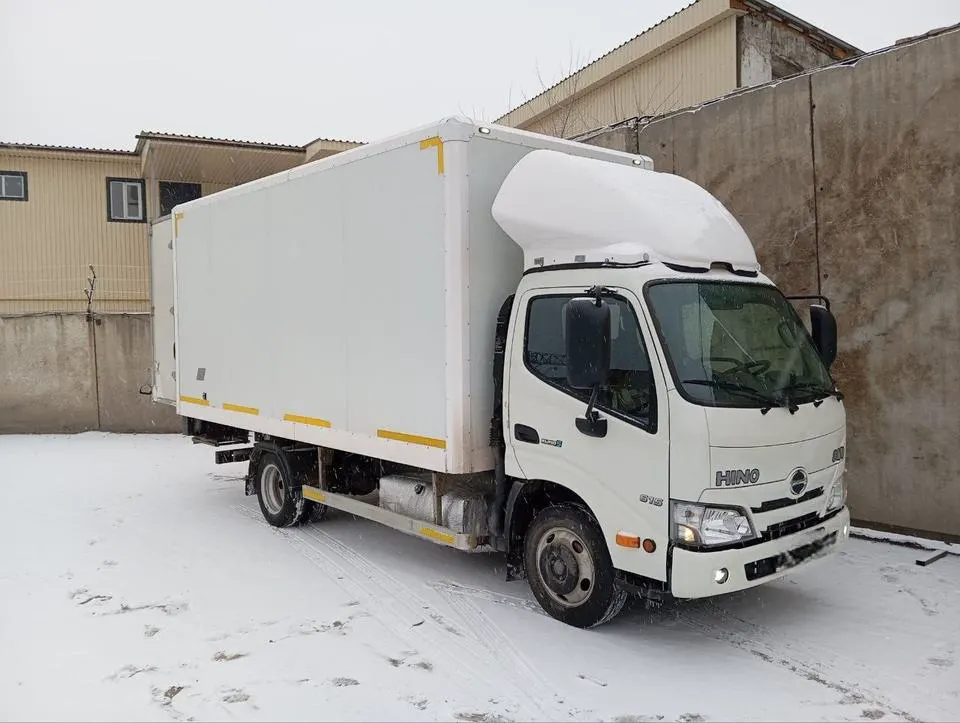
Conversion is an official change to the design of a vehicle. It covers fitting a body superstructure to a chassis (a reefer, insulated or dry-freight van, a flatbed platform, a tarpaulin), installing heating and refrigeration equipment, and changing the body type, weight or dimensions of the vehicle. COND carries out conversions in Almaty and across Kazakhstan on any make of chassis — GAZ, JAC, Kia, Hyundai, FAW, Hino, Foton and others.
Types of conversion at COND
Fitting a van body
An insulated, dry-freight or refrigerated body, a drop-side platform or a tarpaulin is built and mounted on the chassis to suit the cargo and the logistics.
Installing refrigeration equipment
A Carrier, Elinge or Kaida refrigeration and heating unit is fitted, and the insulated van becomes a refrigerated one.
Registering the change and the note in the vehicle document
Paperwork is issued for the body that has been built and the registration of the change is supported: without a note on the change of body type the vehicle will not be registered. How it works — on a separate page.
A body for a specific chassis: Custom van bodies built to order — how an order works
How a conversion goes
- 1 The task is clarified: chassis make, cargo type, the body or equipment required
- 2 A solution is selected and the specification agreed
- 3 The body is built in-house and mounted on the chassis
- 4 We hand the vehicle over with the manufacturer’s documents for the body
Which bodies are fitted during a conversion
The type of body determines both the cost of the conversion and the entry in the vehicle registration document.
| Body | What it is |
|---|---|
| An insulated van | 100 mm sandwich panel, temperature held without a unit for a limited time |
| Refrigerated van | an insulated body plus a refrigeration and heating unit |
| Dry-freight body | a dry body, 25 mm panel, cargo with no temperature requirement |
| Ice-cream van | eutectic plates or a unit set to a low-temperature range |
| Bakery van | a tray body with side hatches for bread trays |
| Dropside platform | an open platform with sides and a floor for lashing |
| Drop-side with tilt | a drop-side with a frame and tarpaulin, loaded from above and from the side |
| Curtainsider | a curtain-side body opening along its full length |
Fitting refrigeration equipment to a body already built, and insulating a dry van up to an insulated one, are separate operations.
Separate services:Refrigeration equipment installationVan insulationPanel van conversionTrucks in stock
What is required of the chassis
The body is not fastened to the frame directly but through a subframe, which spreads the load along the chassis frame and absorbs shocks on rough surfaces. Metal inserts for fastening sides, lashing rings and equipment are built into the subframe.
Body length is limited by the free length of the frame behind the cab, not by the volume wanted: a 4.2-metre body does not fit a short wheelbase. Width and height are limited by the dimensions permitted on public roads.
The gross weight after the body is fitted determines the vehicle category: up to 3,500 kg is B, above that is C. The weight of the body itself reduces the available payload and is therefore taken into account when choosing a chassis.
Choosing a chassis:Chassis comparisonCapacity configurator
Legality and the note in the vehicle document
Any conversion changes the design of the vehicle, so it has to be registered and noted in the vehicle document. Otherwise you risk failing the technical inspection, questions from the insurer and problems when selling. As the manufacturer, COND provides the body documents usually required for this procedure. More on the page Changing the note in the vehicle document.
Frequently asked questions about conversion
Related sections
How much does converting a vehicle cost?
The cost is made up of the type of body, its dimensions and the equipment: a dry van with a 25 mm panel and a refrigerated one with a 100 mm panel and a unit differ several times over. The calculation follows the configuration — chassis make, body length, temperature range and the set of options.
Can a body be fitted to any chassis?
A body can be fitted to a chassis of any make, but its dimensions are limited by the free length of the frame behind the cab and by the permitted overall dimensions. The gross weight after fitting determines the vehicle category: up to 3,500 kg is B, above that is C.
How long does a conversion take?
The lead time depends on the type of body and on the production load. The body is built on an in-house line, so a conversion does not wait for a finished body to be delivered from elsewhere.
Changing the note in the vehicle document
Open →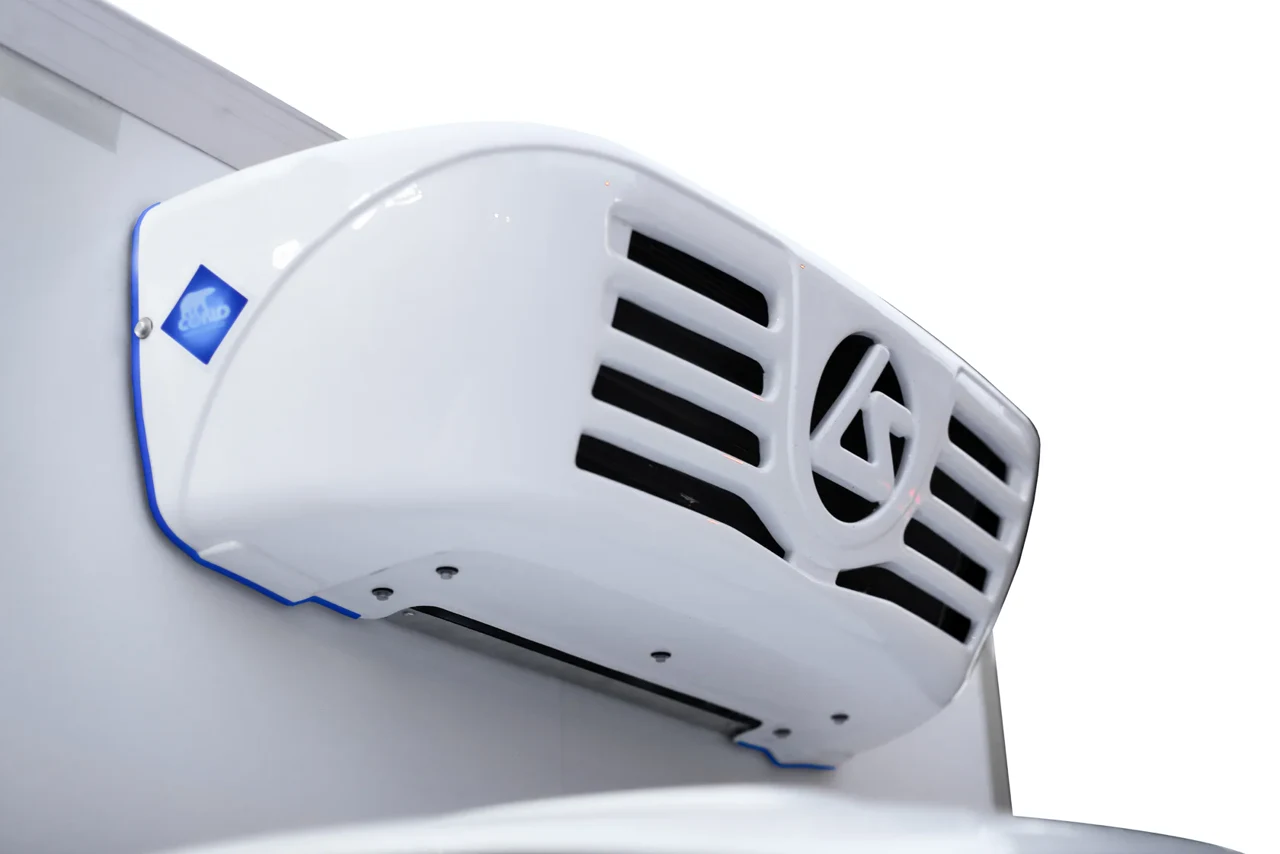
Refrigeration install
Open →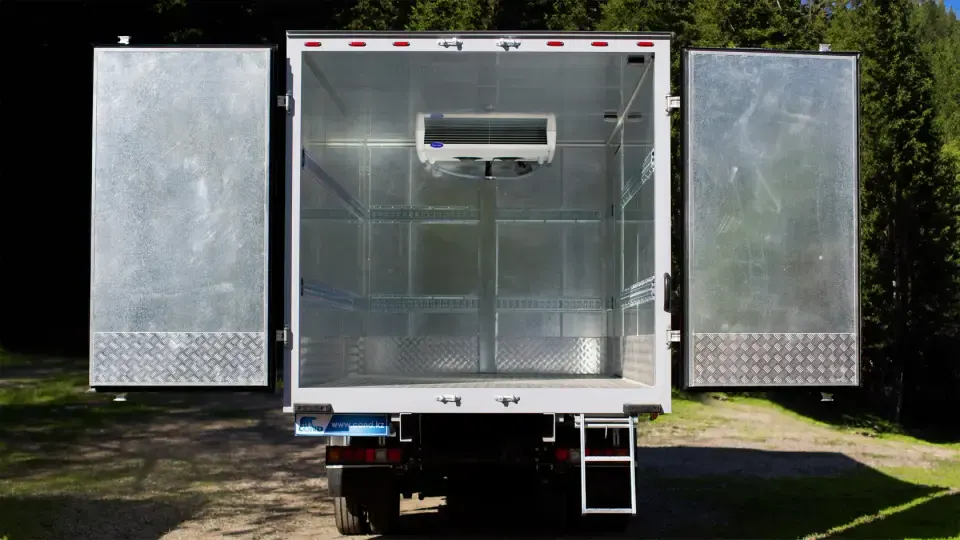
Refrigerated body
Open →Conversion enquiry
Describe the chassis and the job — we will choose the body or equipment and calculate the cost.
📞Phone+7 777 233-69-28💬WhatsApp
Message us