Furniture, home appliances, building materials, packaged goods, e-commerce — everything that needs no temperature mode but must arrive dry and intact. The key selection parameters are body volume, pallet capacity and the loading method.
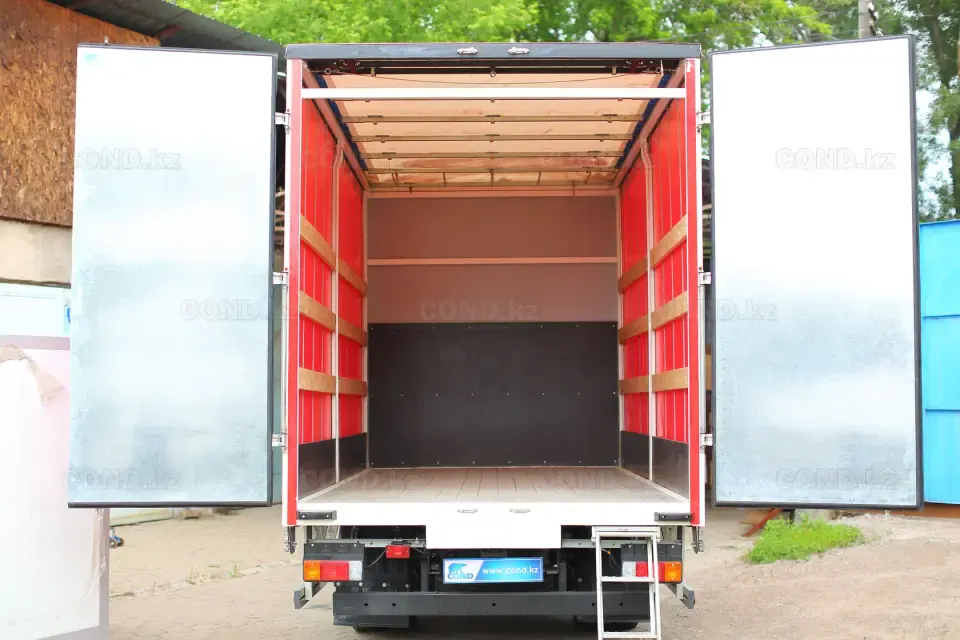
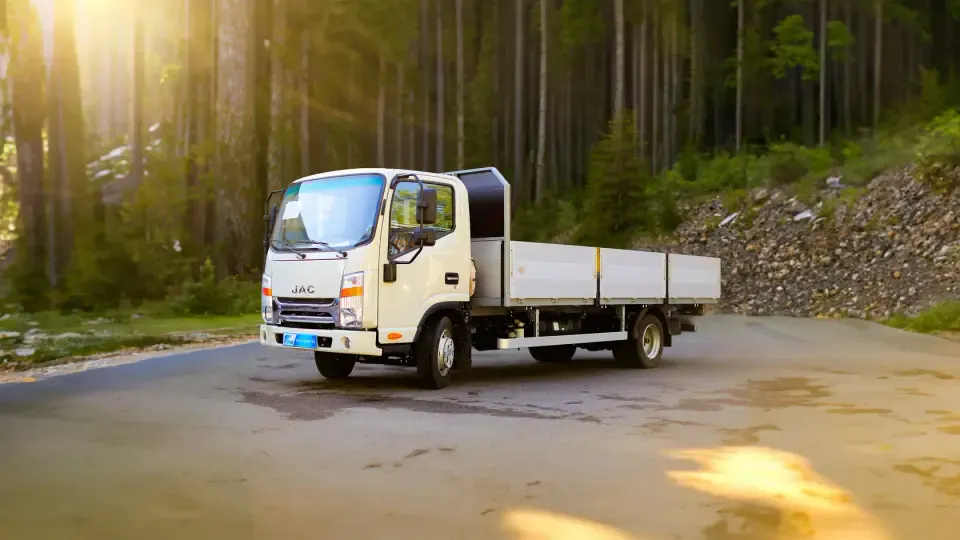
A closed dry-freight van protects cargo from weather and the road; a side door speeds up handover at stops. For pallet logistics with side loading — a eurotent or a sliding tarpaulin. For a crane and oversized loads — a flatbed platform.
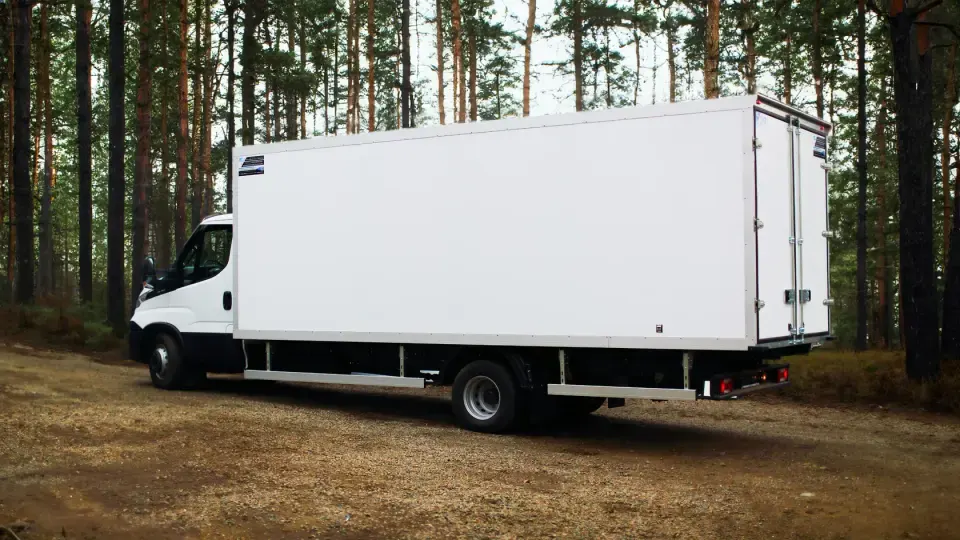
Light 25–50 mm sandwich panels give more payload, the anodised aluminium on the edges does not rust, and the metal inserts hold the fasteners for the whole service life of the body — 10–15 years.
Dry freight almost always runs out of space before it runs out of payload: furniture, packaging and appliances fill the body long before the vehicle reaches its weight limit. So for dry freight you take the longest and tallest body the chassis allows, rather than the chassis with the biggest payload.
Work from the internal dimensions and the pallet layout: an extra five centimetres of width is sometimes a whole extra row and sometimes just air. You can check the layout for your own dimensions in the configurator.
Loading from the rear by forklift means a standard rear frame with swing doors. Loading from the side in a warehouse with a narrow aisle means a side door or a sliding tarpaulin. Unloading with no dock, straight to the ground, means a tail lift — which also decides how much payload is left for the goods.
A dry-freight body needs no cooling, so the panel is thin — 25 mm — and the attention goes to strength: a floor of laminated plywood or treadplate aluminium, lashing tracks at two levels, and kick protection along the bottom edge of the walls against pallet impacts.
Each cargo has its own temperature range and its own body fit-out.
Dry-freight delivery around Almaty is first of all about loading: a side door, lashing rails, a flat floor for a trolley. There is no temperature range here, so the panel is thin and the usable volume is larger. We build the body at our own production site in Almaty and hand the vehicle over from the yard.
A body for this cargo:A refrigerated van in Almaty
Come to the production site:Van plant in Almaty
Leave your contacts — we'll discuss your task and select a suitable vehicle.
📞Phone