Most cut flowers — roses, tulips, chrysanthemums, carnations — travel at +2…+8 °C, and closer to the lower end on long hauls. Tropical species are the exception: orchids, anthurium and strelitzia darken in the cold and need +12…+15 °C. The vehicle is therefore chosen around your range, or a dual-temperature body with a bulkhead if you carry both.
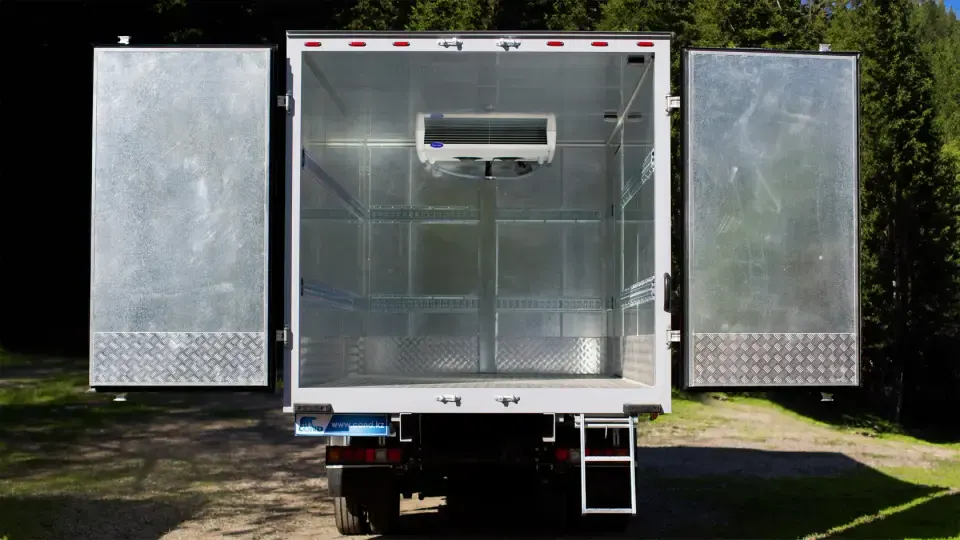
Flowers lose condition for reasons beyond temperature. A direct jet of cold air onto the blooms dries the petals and bleaches their edges, while low humidity in the load space speeds up wilting. In a flower body, air distribution matters more than unit capacity: a ceiling duct, no direct flow onto the load, and a gap between the walls and the boxes.
Fruit and vegetables give off ethylene, a gas that makes flowers open early and shed their petals. They cannot share a load space with flowers even at the same temperature. If the vehicle carries both, the body is partitioned or the runs are kept separate.
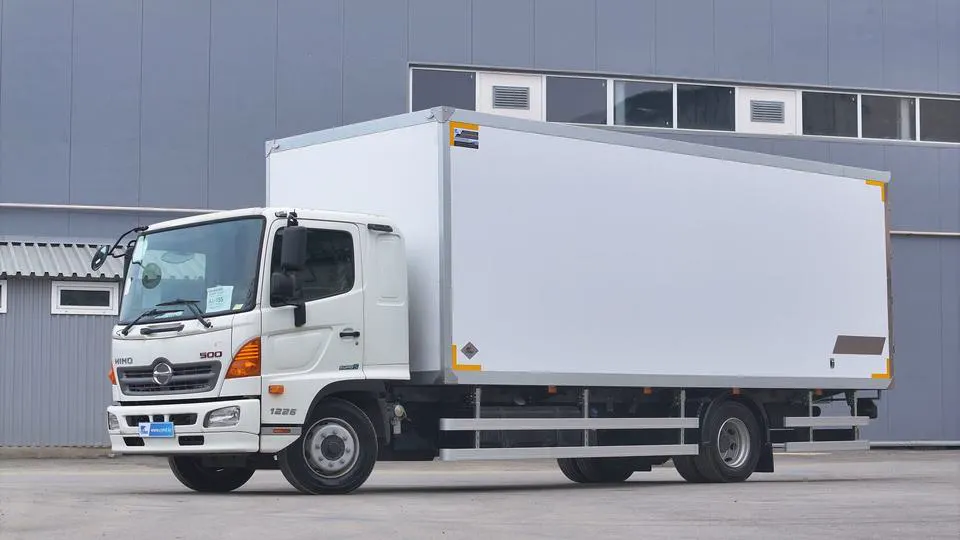
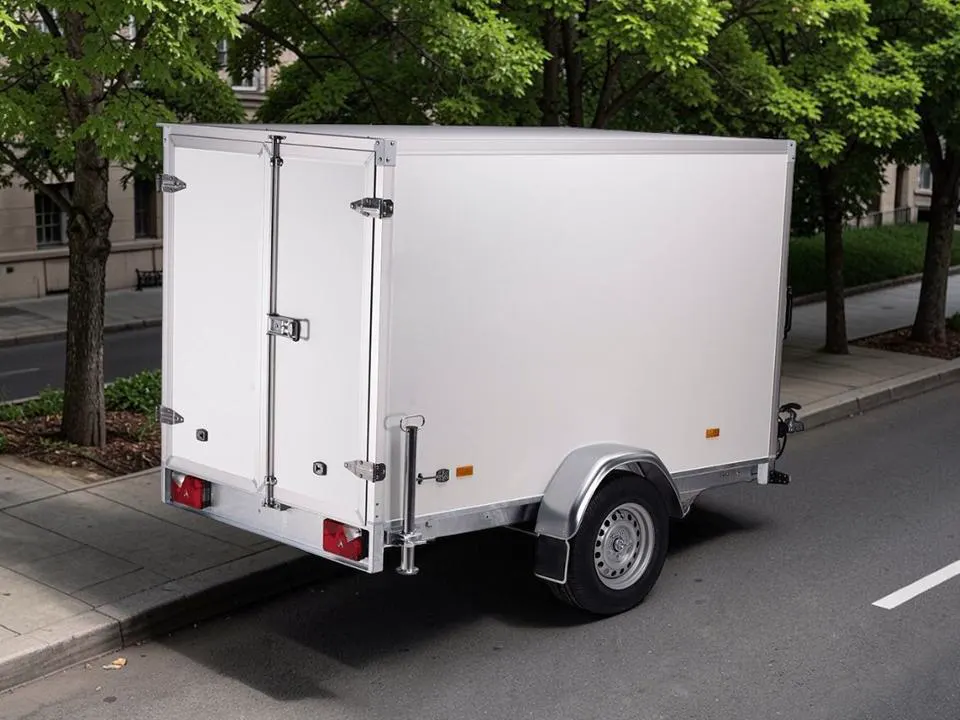
We build the body from polyurethane sandwich panels, fit a Carrier, Elinge or Kaida unit sized to the volume and regime, run the air duct and install shelving or racks for boxes so flowers are not stacked. The body is engineered for your chassis; installation in Almaty with the factory warranty preserved.
Each cargo has its own temperature range and its own body fit-out.
Flowers in Almaty travel in a narrow above-zero range: overheating by a couple of degrees shortens their life just as much as chilling. We fit a unit that holds +2…+8 °C without dips, and plan the airflow so the boxes by the wall are not dried out. You accept the vehicle in the workshop at 1 Kazybayev Street.
A body for this cargo:A refrigerated van in Almaty
Come to the production site:Van plant in Almaty
Leave your contacts — we'll discuss your task and select a suitable vehicle.
📞PhoneRefrigerated vans — catalogue · Volume and pallet calculator